


Listen to the article
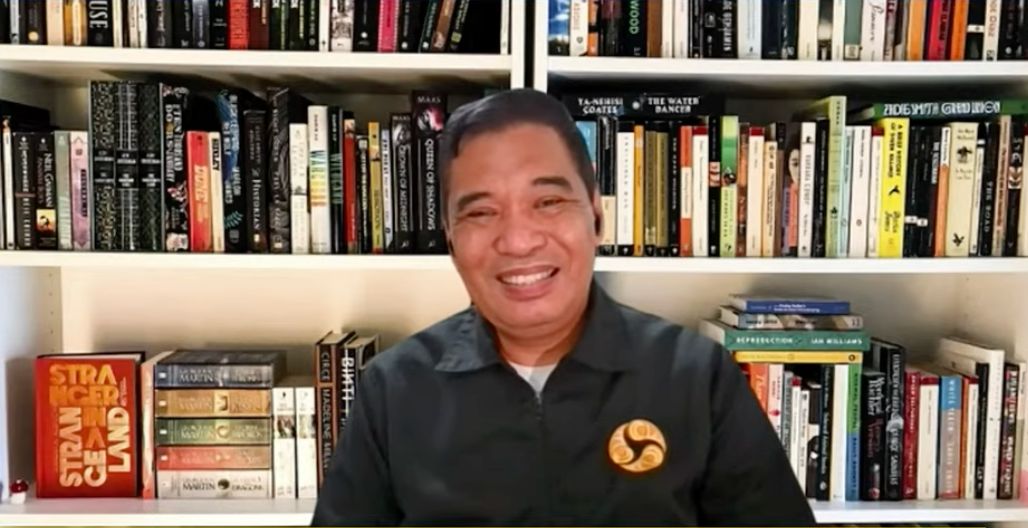
In the Philippines’ rapidly evolving digital landscape, social media has transformed from a mere information and entertainment platform into a powerful arena for influence and opinion-shaping. With political discourse intensifying online, concerns over misinformation continue to grow, according to University of the Philippines journalism professor Danilo Arao.
During a Sunday interview on DZRH, Arao shed light on the rising phenomenon of “hyperpartisan vloggers” and their impact on public perception in the country’s increasingly polarized media environment.
“They don’t care whether information is right or wrong as long as it aligns with their narrative,” Arao explained, connecting this behavior to confirmation bias in communication theory. These content creators, he noted, prioritize narratives that support their political or personal interests, often at the expense of accuracy.
The professor warned that disinformation has evolved into a lucrative income source for many online personalities, both in the Philippines and worldwide. He characterized today’s information environment as “volatile and vulnerable,” with audiences increasingly susceptible to sophisticated manipulation techniques.
“Some benefit from disinformation because they want to muddle the narrative and discredit the media,” Arao stated. He added that official communication gaps exacerbate fake news proliferation, as insufficient or delayed government information creates fertile ground for speculation and misinformation.
Political motives often drive disinformation campaigns, according to Arao, including early positioning for future elections like the anticipated 2028 race. When encountering dubious online content, he advised Filipinos to ask themselves, “Who benefits from this?”
Social media functions as a “double-edged sword,” Arao explained—capable of both informing the public and serving as a weapon to spread falsehoods. Content triggering strong emotional responses such as anger, fear, or shock tends to gain traction more easily, facilitating the viral spread of misleading information.
Drawing a clear distinction between professional journalism and hyperpartisan content creation, Arao emphasized that legitimate journalists adhere to ethical standards and practice transparency when mistakes occur. “The media makes mistakes too, but these are acknowledged and corrected. There is accountability,” he said.
In contrast, hyperpartisan vloggers frequently refuse to acknowledge errors, sometimes simply deleting incorrect content without issuing corrections or apologies. While journalism is founded on factual accuracy and proper context, hyperpartisan content often demonstrates little commitment to truth.
To combat the rising tide of disinformation, Arao called for enhanced fact-checking efforts and broader media literacy initiatives. He advocated for collaboration between news organizations and academic institutions like the University of the Philippines to strengthen public resilience against false information.
The professor also emphasized the importance of engaging with social media platforms to promote responsible information gatekeeping and urged media practitioners to practice critical reporting by asking harder questions and maintaining transparency, particularly regarding ownership and potential conflicts of interest.
“We must ensure that media literacy and education are pursued by everyone, including journalists and media workers. Let’s not think that because we’re older or veterans, we no longer need to learn,” Arao advised, highlighting that continuous learning remains essential for all media professionals regardless of experience level.
As the Philippine information landscape continues to evolve, Arao’s insights underscore the growing challenges facing both media consumers and producers in distinguishing fact from fiction in an increasingly complex digital environment.
Fact Checker
Verify the accuracy of this article using The Disinformation Commission analysis and real-time sources.

11 Comments
This article highlights the need for a more nuanced understanding of online discourse and the potential for manipulation. Consumers of information, especially in specialized sectors like mining and energy, need to be vigilant.
The professor makes a good point about the volatility and vulnerability of today’s information landscape. It’s a complex issue with no easy solutions, but increased transparency and accountability for online content creators could help.
This is an important issue to consider, especially as it relates to the mining, commodities, and energy sectors, where accurate information is crucial for informed decision-making. Disinformation in these areas could have serious consequences.
The professor’s insights on the connection between confirmation bias and the behavior of hyperpartisan vloggers are quite insightful. It’s a complex issue that deserves further exploration and discussion.
This is an important issue that extends beyond just politics and into specialized sectors like mining, commodities, and energy. Accurate information is vital for making informed decisions in these areas.
The rise of hyperpartisan vloggers is a troubling trend that warrants further scrutiny. Their influence on public perception and the potential for financial gain from spreading misinformation is concerning.
Absolutely. Fact-checking and media literacy initiatives are essential to combat this problem and ensure the public has access to reliable information.
This highlights the challenge of maintaining an informed and balanced discourse online, especially when partisan interests take precedence over facts. Fact-checking and media literacy seem crucial to combat these trends.
Agreed. Audiences need to be more discerning and critical when consuming online content, rather than just accepting narratives that align with their biases.
Interesting to see how social media and online influencers are shaping public opinion, often through biased and inaccurate content. It’s concerning how lucrative disinformation can be for some creators.
The professor’s warning about the volatility and vulnerability of today’s information environment is a sobering reminder of the challenges we face in maintaining a well-informed public. This is especially crucial in industries like mining and energy.