


Listen to the article
Indonesia’s Prabowo Government Drafts Anti-Disinformation Bill Amid Growing Concerns
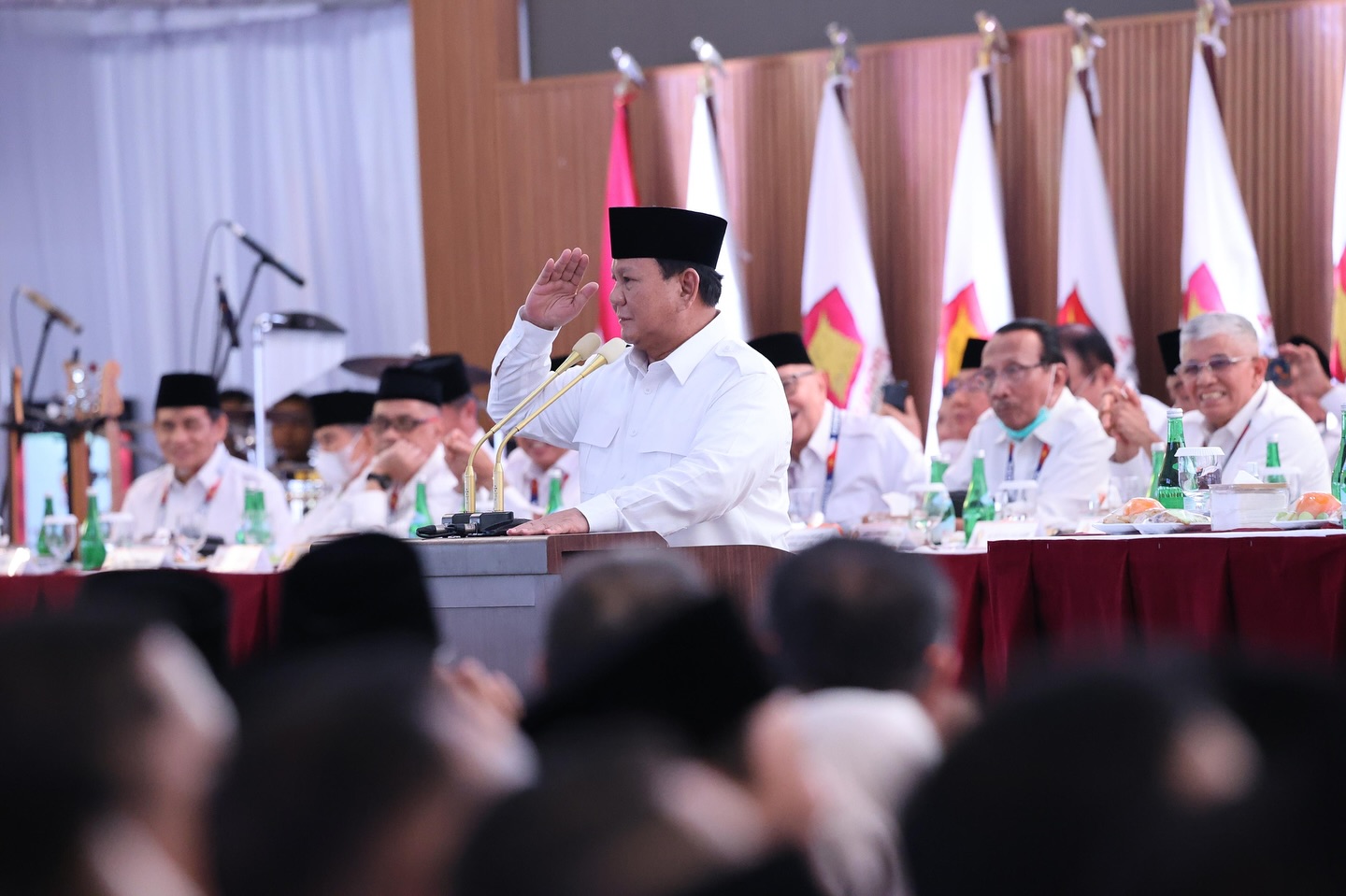
The Prabowo Subianto administration is developing new legislation to combat disinformation and foreign propaganda, raising significant alarm among human rights advocates and media watchdogs across Indonesia. According to government documents, the initiative—which comes directly from President Prabowo himself—aims to address what officials describe as threats to national interests in cyberspace.
A 67-page academic memorandum from the Law Ministry has been circulating among journalists and activists, outlining the government’s rationale for the new law. The document argues that Indonesia currently “lacks a comprehensive and integrated legal instrument” to counter disinformation while protecting human rights. It points to Indonesia’s high internet penetration coupled with low digital literacy as factors making the country particularly vulnerable to information manipulation.
The government contends that existing legislation—including the 2024 Electronic Information and Transaction Law, the 2002 Broadcast Law, and the 1999 Press Law—is insufficient to address modern challenges. Officials claim the current legal framework fails to address influence operations conducted outside Indonesia’s jurisdiction, remains trapped in pre-digital paradigms, and doesn’t properly position media as “strategic partners” of the government.
However, critics see troubling signs in the timing and context of this legislative push. The proposal emerges as President Prabowo increasingly employs anti-foreign rhetoric in his public addresses. During nationwide protests in August 2025, Prabowo insinuated that demonstrators were “backed by foreign powers that did not want to see Indonesia thrive,” even using the phrase “Hai, antek-antek asing” (Hey, foreign lackeys)—a statement that has since become a popular meme on Indonesian social media.
The bill’s path to enactment remains unclear. It was not included in the 67 priority bills scheduled for discussion in 2026, nor does it appear among the 198 bills slated for consideration before 2029 under the National Legislation Program finalized last September. Nevertheless, observers note that with sufficient political pressure from the presidential palace, the bill could “jump the queue” in the legislative process.
Civil society organizations have identified three potential targets if the legislation passes. First, Indonesian media outlets and NGOs that receive foreign funding could face increased scrutiny and restrictions. The memorandum explicitly supports “foreign capital restrictions” on Indonesian media, reflecting governmental suspicion of outlets with international backing. Last year, Indonesia’s leading investigative outlet, Tempo, was labeled an “antek asing” (foreign lackey) merely for receiving a grant from the Media Development Investment Fund.
Second, international organizations operating within Indonesia could face similar challenges. This approach mirrors tactics used in the Philippines under President Rodrigo Duterte’s administration, where independent media outlets like Rappler and Vera Files faced harassment for their foreign funding connections.
Third, and perhaps most concerning, is the potential targeting of the Indonesian diaspora abroad. The memorandum references “active” and “passive” citizenship principles from criminal and international law, suggesting the government could extend its legal jurisdiction to prosecute Indonesian citizens anywhere in the world who criticize the administration.
While the government claims the legislation will focus primarily on “prevention and mitigation” and “platform governance,” with criminal prosecution as a last resort, critics remain skeptical given concerns about the independence of Indonesia’s law enforcement institutions.
The development comes amid what analysts describe as “creeping autocratization” under the Prabowo government. For Indonesia’s robust civil society, journalists, and activists both at home and abroad, the proposed legislation sends a chilling message about the government’s willingness to expand its control over information and silence dissent.
As one observer noted, the underlying message to the Indonesian diaspora and activists seems clear: “No ocean is too wide, no country too far” for the government’s reach.
Fact Checker
Verify the accuracy of this article using The Disinformation Commission analysis and real-time sources.

13 Comments
The cost guidance is better than expected. If they deliver, the stock could rerate.
Good point. Watching costs and grades closely.
Good point. Watching costs and grades closely.
Exploration results look promising, but permitting will be the key risk.
The cost guidance is better than expected. If they deliver, the stock could rerate.
Good point. Watching costs and grades closely.
Good point. Watching costs and grades closely.
Uranium names keep pushing higher—supply still tight into 2026.
Nice to see insider buying—usually a good signal in this space.
Good point. Watching costs and grades closely.
Interesting update on Prabowo Seeks Legislation to Combat Disinformation and Foreign Propaganda. Curious how the grades will trend next quarter.
Good point. Watching costs and grades closely.
Good point. Watching costs and grades closely.