


Listen to the article
Poland Denies Russian Claims of Involvement in Moscow Assassination Attempt
Polish military intelligence officials have firmly rejected Russian allegations that Polish security services played a role in an attempted assassination of a high-ranking Russian military intelligence officer in Moscow earlier this year.
Brigadier General Jarosław Strożyk, who heads Poland’s Military Counterintelligence Service, dismissed the accusations as “typical disinformation” designed primarily for domestic consumption within Russia, according to multiple Polish media outlets on Tuesday.
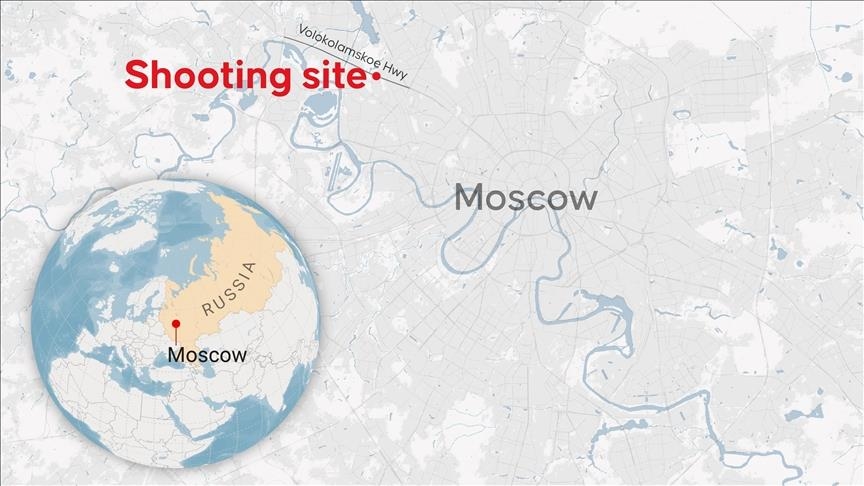
The dispute centers around an attack on Lieutenant General Vladimir Alexeyev, deputy head of Russia’s military intelligence agency known as the GRU, who was reportedly shot multiple times in Moscow on February 6 and subsequently hospitalized. Russian authorities claim that a Ukrainian-born Russian citizen, 66-year-old Lyubomir Korba, was later extradited from Dubai and charged with the attack.
Russia’s Federal Security Service (FSB) has alleged that Ukrainian intelligence ordered the hit, with Polish intelligence services purportedly involved in recruiting the suspect. Russian media reports further claimed that Korba’s son, a Polish resident living in the southern city of Katowice, assisted in recruiting his father under Polish intelligence direction.
Speaking to Poland’s state news agency PAP, Strożyk categorically rejected these accusations, stating that reports of Polish involvement in assassinations or sabotage operations inside Russia and Belarus are fabricated to reinforce a narrative that these countries face constant pressure from NATO and Western nations.
The timing of these allegations may not be coincidental. Strożyk suggested they could be partially connected to the recent arrest in Warsaw of a suspected long-term Russian operative embedded within Poland’s Defense Ministry. However, he emphasized that the primary audience for these claims appears to be the Russian and Belarusian public rather than an international one.
The Polish intelligence chief expressed concern about how major international news outlets have picked up and disseminated these allegations, calling the spread of such claims “disturbing.” He stressed that Polish intelligence services operate strictly within legal boundaries and under direct political oversight from senior government officials, including the prime minister and president.
The incident highlights the increasingly tense relationship between Russia and Poland, a NATO member that has been one of Ukraine’s strongest supporters since Russia’s full-scale invasion began in February 2022. Poland has provided significant military and humanitarian aid to Ukraine while consistently advocating for strong Western sanctions against Moscow.
This latest diplomatic flare-up follows a pattern of mutual accusations between Russia and NATO countries, with intelligence activities and alleged sabotage operations frequently becoming flashpoints for increased tensions. Poland, due to its geographic location and historical relationship with both Russia and Ukraine, often finds itself at the center of such disputes.
Military analysts note that accusations of foreign intelligence involvement in assassination attempts have become a common feature of Russia’s information warfare strategy, particularly as the conflict in Ukraine continues with no immediate resolution in sight.
The case also underscores the complex web of intelligence operations in Eastern Europe, where allegations of espionage, sabotage, and assassination plots regularly emerge against the backdrop of broader geopolitical tensions between Russia and the West.
Neither Russian nor Ukrainian officials have provided additional comment on Poland’s denial of involvement in the incident.
Fact Checker
Verify the accuracy of this article using The Disinformation Commission analysis and real-time sources.

19 Comments
Production mix shifting toward Disinformation might help margins if metals stay firm.
Good point. Watching costs and grades closely.
Nice to see insider buying—usually a good signal in this space.
Production mix shifting toward Disinformation might help margins if metals stay firm.
Production mix shifting toward Disinformation might help margins if metals stay firm.
Good point. Watching costs and grades closely.
Good point. Watching costs and grades closely.
If AISC keeps dropping, this becomes investable for me.
Good point. Watching costs and grades closely.
Good point. Watching costs and grades closely.
Production mix shifting toward Disinformation might help margins if metals stay firm.
Good point. Watching costs and grades closely.
If AISC keeps dropping, this becomes investable for me.
Exploration results look promising, but permitting will be the key risk.
Good point. Watching costs and grades closely.
Interesting update on Poland Rejects Russian Accusation of Involvement in Moscow Assassination Plot. Curious how the grades will trend next quarter.
Production mix shifting toward Disinformation might help margins if metals stay firm.
Good point. Watching costs and grades closely.
Good point. Watching costs and grades closely.