


Listen to the article
Poland Launches Armenian News Service to Combat Disinformation in the Region
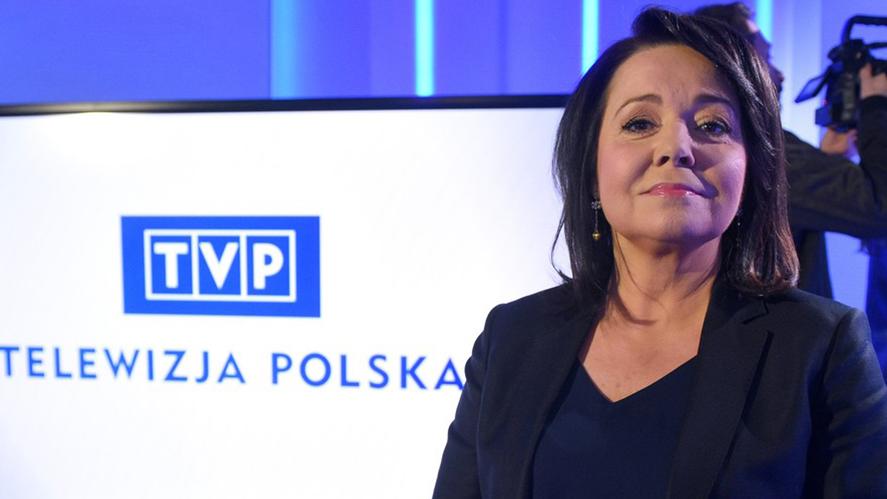
Poland’s Ministry of Foreign Affairs has announced the creation of a new Armenian-language news service called VT Hayastan News, broadcast on the state-owned Telewizja Polska (TVP) channel. The initiative aims to present European perspectives on current events while countering disinformation in Armenia and surrounding regions.
The new service will deliver news content focused on political, social, and economic developments specifically tailored for Armenian audiences both domestically and abroad. According to Polish officials, a key objective is to strengthen Armenia’s ties with European Union countries, with particular emphasis on Polish-Armenian relations.
“The project’s mission is to increase the public’s resilience to manipulation and information interference,” the Ministry stated in its official announcement. This suggests growing concerns about external influences on information flow within the South Caucasus region, where Russia has traditionally maintained significant media presence.
VT Hayastan News will operate as part of TVP’s International Media Centre, with funding provided through public resources allocated by Poland’s Ministry of Foreign Affairs. The initiative represents a strategic expansion of Poland’s multilingual media outreach efforts, particularly targeting countries within the European Union’s Eastern Partnership framework.
The news team features established Armenian journalists, including Razmik Martirosyan, Harutyun Voskanyan, and Nune Gevorgian, bringing local expertise and cultural understanding to the operation. Programming will air weekdays on Poland’s Belsat channel, with content also distributed through YouTube and Facebook platforms to maximize audience reach.
This development comes amid increasing competition for media influence in the South Caucasus. Armenia, which has historically maintained close ties with Russia, has in recent years sought to diversify its international relationships. The country’s relationship with Moscow has become increasingly strained following the 2020 Nagorno-Karabakh conflict, when many Armenians felt Russia failed to provide expected support.
Media analysts note that Poland’s initiative reflects broader European Union concerns about Russian information dominance in former Soviet states. The EU’s Eastern Partnership program, which includes Armenia, has increasingly emphasized media literacy and independent journalism as components of democratic development.
“This type of media initiative serves multiple purposes,” said Tamar Baghishvili, a regional media expert not affiliated with the project. “Beyond providing alternative news sources, it represents soft power projection and an attempt to counter narrative-shaping by regional powers like Russia or Turkey.”
Poland has been particularly active in promoting media freedom initiatives across Eastern Europe, with Belsat TV previously focusing primarily on Belarus. The expansion to include Armenian programming signals Warsaw’s growing interest in deeper engagement with the broader region.
The timing coincides with Armenia’s efforts to navigate complex geopolitical pressures following territorial losses to Azerbaijan and diminished Russian influence. European integration has gained traction among segments of Armenian society seeking alternatives to the country’s traditional alliances.
For the European Union, enhancing media cooperation represents a relatively low-cost method of engagement that can build relationships without triggering the geopolitical tensions that might come with more direct political or military involvement in the region.
Regular broadcasts will begin immediately, with content focusing on European affairs, democracy initiatives, and economic development opportunities that could strengthen Armenia’s western partnerships.
Fact Checker
Verify the accuracy of this article using The Disinformation Commission analysis and real-time sources.

9 Comments
While the intentions behind this initiative seem positive, I wonder how effective it will be in reaching and influencing the target audience in Armenia. Overcoming existing information biases may prove challenging.
That’s a fair concern. The success will likely depend on how well the service can establish itself as a reliable and unbiased source of news and analysis, compared to existing media outlets.
This seems like a proactive effort by Poland to address information security concerns in the South Caucasus. Providing an EU-aligned news source in the Armenian language could be an important counterweight to Russian media influence.
Establishing an Armenian-language news channel is a smart move by Poland. Disinformation is a major challenge, and offering diverse, trustworthy information sources can make a real difference.
You make a good point. Having a credible, impartial news outlet focused on the region could help counter the spread of false narratives and strengthen democratic institutions.
Launching an Armenian-language news service is a bold step by Poland to counter disinformation in the region. Strengthening ties with the EU and providing alternative perspectives could be valuable, if executed well.
Agreed. Tailoring the content and messaging specifically for Armenian audiences will be key. Building trust and credibility will be essential for the service to have the desired impact.
Interesting initiative by Poland to counter disinformation in Armenia. Providing an alternative European perspective through a dedicated news service could help strengthen ties and build regional resilience.
Agreed, this seems like a proactive approach to address information manipulation concerns in the region. Curious to see how the Armenian audience responds to the new service.