


Listen to the article
Philippine Government Demands Meta Crackdown on Economic Disinformation
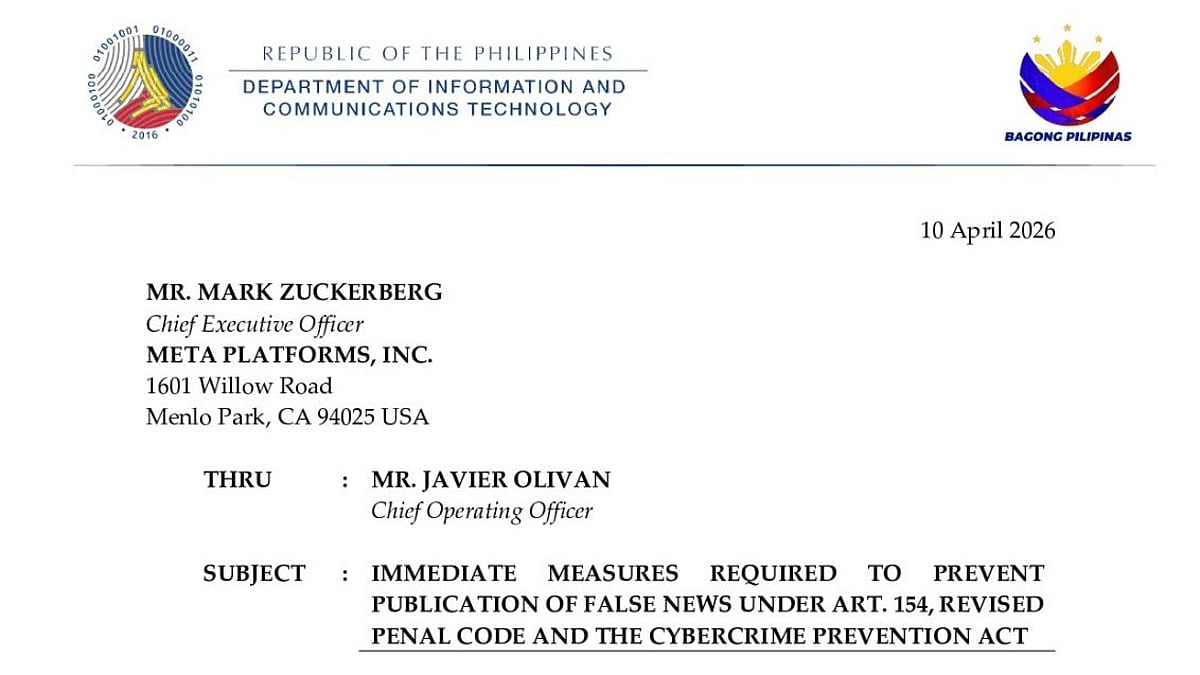
The Philippine Department of Information and Communications Technology (DICT) has issued a formal directive to Meta Platforms, demanding immediate action against the spread of economic disinformation on its social media platforms. The agency specifically highlighted concerns about false information regarding fuel prices, supply disruptions, and government actions that could potentially destabilize the country’s economic environment.
In a strongly worded letter, the DICT characterized the proliferation of panic-inducing content as “a direct and escalating threat to public order, economic confidence, and national security.” Officials emphasized that such misleading information, particularly when disseminated through digital platforms with broad reach like Facebook and Instagram, may constitute violations of Article 154 of the Revised Penal Code and the Cybercrime Prevention Act of 2012.
The government’s intervention comes amid increasing concerns about the real-world impact of online misinformation on market stability. Recent months have seen a surge in false narratives about exaggerated fuel price increases and alleged supply shortages, contributing to consumer panic and potential market distortions in the Philippines, where economic pressures have already strained many households.
To address these issues, the DICT outlined specific demands for Meta, including the implementation of enhanced detection and takedown mechanisms for high-risk disinformation. The government agency also requested the establishment of an expedited flagging channel that would allow authorities to quickly report problematic content for review.
Among the most pressing demands is the appointment of a senior-level contact person at Meta who would be available around the clock to handle urgent cases of disinformation that require immediate attention. The DICT has also called for clear response timelines and regular transparency reports detailing enforcement actions taken against economic misinformation.
Industry analysts note that this move reflects growing global concern about the role of social media platforms in economic stability. Similar regulatory pressures have emerged in markets across Southeast Asia, where digital penetration is high and social media often serves as a primary news source for many citizens.
The DICT has given Meta a tight timeline to respond, requiring acknowledgment of the directive within 48 hours and submission of a comprehensive compliance plan within seven days. This urgency underscores the government’s concern about the potential economic fallout that could result from unchecked disinformation, particularly as the country navigates ongoing inflationary pressures and supply chain challenges.
Economic experts suggest that false information about basic commodities like fuel can have cascading effects beyond immediate consumer panic. When misinformation drives unusual purchasing behaviors, it can create artificial shortages and price volatility that affect broader market conditions and consumer confidence.
For Meta, which counts the Philippines among its largest markets in Southeast Asia with over 80 million users, the government’s demands represent another challenge in the complex landscape of content moderation. The company has previously faced criticism for its handling of misinformation in the region, particularly during election periods.
The DICT’s action signals an expanding scope of government concern about online content, moving beyond political misinformation to include economic narratives that could impact national stability and security. As digital platforms continue to shape public perception and behavior, the intersection of content moderation and economic security appears likely to remain a focus of regulatory attention in the Philippines and beyond.
Meta has not yet publicly responded to the DICT’s directive.
Fact Checker
Verify the accuracy of this article using The Disinformation Commission analysis and real-time sources.

12 Comments
Disinformation around fuel prices, supply issues, and government actions can have serious repercussions. I’m glad to see the Philippine authorities taking proactive steps to address this problem.
Curbing the spread of panic-inducing content related to fuel prices, supply chains, and government actions is crucial for maintaining public confidence and market stability. This is a timely intervention by the Philippine authorities.
This is a complex challenge, as digital platforms provide a powerful avenue for the spread of misinformation. I’m glad to see the Philippine government taking steps to address this problem head-on.
Maintaining economic stability and public confidence is crucial, especially during challenging times. This move by the Philippine government underscores the need for a coordinated effort to combat online misinformation.
Yes, the government’s intervention highlights the real-world impacts that digital disinformation can have. Holding platforms accountable is an important measure.
The potential for online disinformation to impact economic stability is a growing concern worldwide. This move by the Philippine government demonstrates the importance of proactive measures to combat this issue.
This highlights the growing challenge of managing the spread of misinformation on social media platforms. Holding tech companies accountable for content moderation is an important step.
Agreed. With the widespread reach of social media, it’s critical that platforms take responsibility for curbing the dissemination of false or panic-inducing information, especially on sensitive economic topics.
Interesting move by the Philippines government to crack down on economic disinformation. Combating misleading narratives that could destabilize markets and public confidence is crucial, especially in volatile times.
The proliferation of false narratives around economic issues is a significant problem that requires a coordinated response. This move by the Philippine government is a step in the right direction.
Misinformation can have real-world consequences, especially in sensitive economic areas. I commend the Philippine government for taking action to address this challenge and hold social media platforms accountable.
It’s concerning to see the proliferation of false narratives that could destabilize markets and public sentiment. Kudos to the Philippine authorities for taking a strong stance on this issue.