


Listen to the article
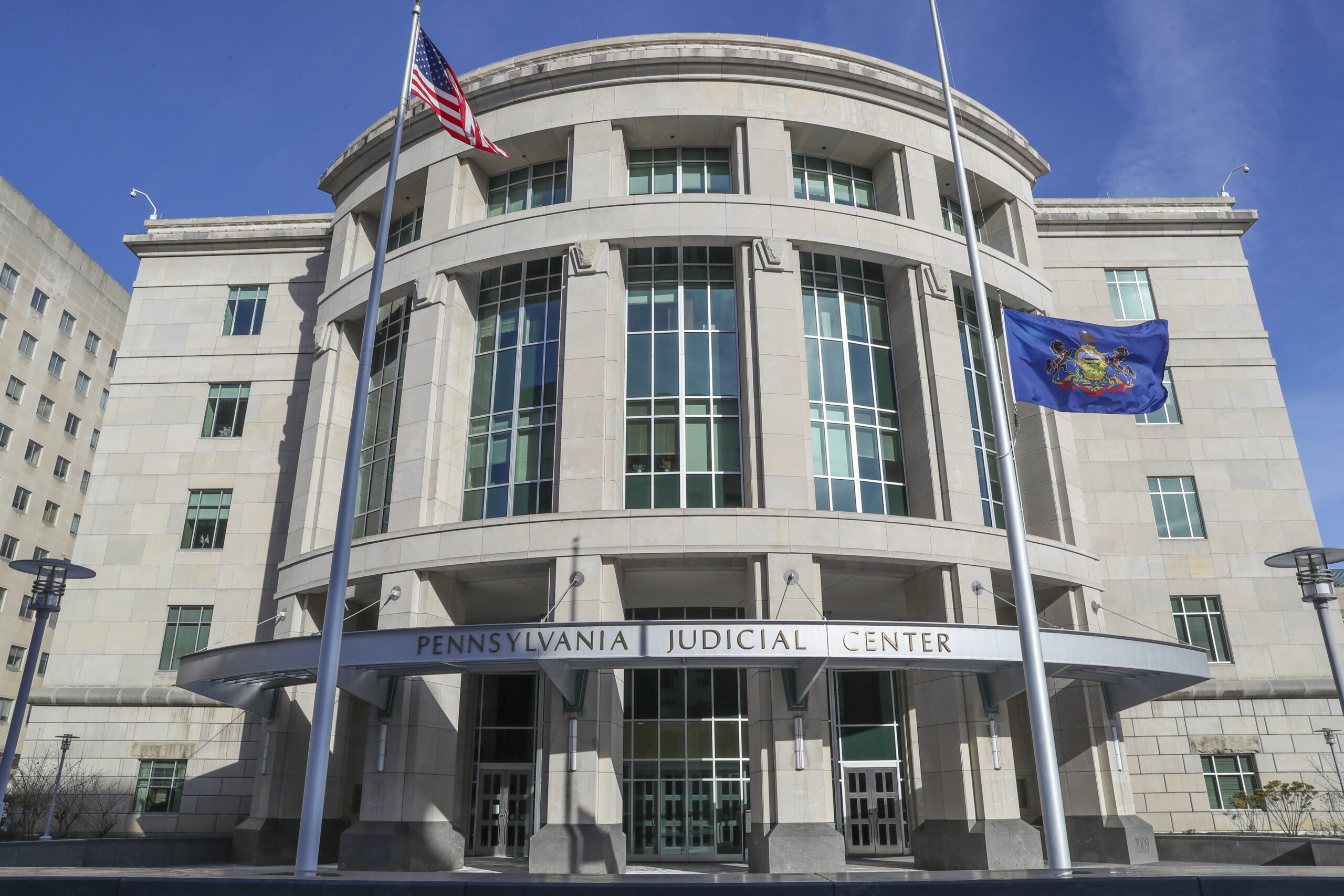
Pennsylvania’s Supreme Court Retention Vote Draws National Attention and Controversy
Few states wield as much electoral influence in American politics as Pennsylvania. After being the epicenter of legal battles following the 2020 presidential election—facing more lawsuits than any other state—Pennsylvania now finds itself at another critical juncture that could reshape the nation’s political landscape.
This November, Pennsylvania voters will decide whether three Democratic state Supreme Court justices should retain their positions for another decade. The outcome could dramatically alter the court’s composition ahead of the 2028 presidential election and potentially undo several landmark rulings that have protected voting rights in the state.
Democrats currently hold a 5-2 majority on the Pennsylvania Supreme Court. The retention election will determine if Justices Christine Donohue, Kevin Dougherty, and David Wecht remain on the bench. If any are removed, special elections to fill their seats would be held in 2027, potentially flipping the court to Republican control just as the next presidential contest approaches.
Since gaining their majority in 2015, the court’s Democratic justices have issued several consequential rulings safeguarding fair elections. They blocked former President Donald Trump’s attempts to overturn his 2020 defeat, struck down a Republican congressional gerrymander widely regarded by experts as one of the nation’s most egregious, and upheld Pennsylvania’s no-excuse mail-in voting law, preserving ballot access for nearly 9 million registered voters.
The stakes of this judicial retention vote have attracted millions in outside spending and triggered a wave of national interest. Lauren Cristella, president and CEO of the nonpartisan Pennsylvania government watchdog Committee of Seventy, told Democracy Docket, “All of our politics, I think, are now national. We’re injecting a lot of national issues that we’ve seen around elections and controversies around mail-in voting into this election.”
A particularly concerning development has been the circulation of misleading campaign materials. In early September, voters began receiving mailers claiming “The liberal Supreme Court gerrymandered our congressional districts to help Democrats win.” According to reporting by Spotlight PA, these mailers feature a congressional map from 2011—the very map the court’s Democratic majority struck down in 2018 as an unconstitutional Republican gerrymander.
The deceptive materials reportedly originated from the Commonwealth Leaders Fund, a political action committee with connections to Pennsylvania billionaire Jeff Yass, who has a history of funding conservative causes throughout the state.
Another misleading mailer urges voters to “vote no to term-limit the PA Supreme Court,” seemingly designed to confuse voters about the nature of the retention vote. “It’s adding to the noise and the confusion,” Cristella explained. “People aren’t very familiar with the Pennsylvania Supreme Court. And they’re not very familiar with the fact that we elect judges.”
Pennsylvania Republicans have intensified efforts to secure “no” votes on the justices’ retention. At a state party meeting in June, conservative activist Scott Presler—known for promoting QAnon conspiracy theories and organizing “Stop the Steal” rallies—conducted voter registration training focused on the retention election.
“If we get a simple majority vote, you will remove three Democrats from the Supreme Court in one single election,” Presler told attendees, emphasizing the unprecedented nature of such an outcome.
The heightened partisanship surrounding judicial races reflects a national trend. Earlier this year, Wisconsin’s Supreme Court election became the most expensive judicial contest in U.S. history, demonstrating how these once-obscure races have become battlegrounds in America’s cultural and political divisions.
“You’ve got a state government that is approaching four months late on a budget that feels dysfunctional, a national government that just shut down,” Cristella noted. “It’s not screaming, ‘Trust us, engage, be enthusiastic participants.’ Add this new level of partisanship and deceptive tactics and lies, it makes it all the much harder.”
As Pennsylvania voters prepare to cast their ballots in this consequential retention election, the outcome could reverberate far beyond the state’s borders, potentially influencing the integrity of future national elections and the constitutional guardrails that protect them.
Fact Checker
Verify the accuracy of this article using The Disinformation Commission analysis and real-time sources.

10 Comments
Retention elections for state Supreme Court justices can have a big impact, especially in a key swing state like Pennsylvania. It will be important for voters to stay informed and not be misled by disinformation. The court’s rulings on voting rights could significantly influence the 2028 presidential race.
You’re right, these down-ballot judicial races can have huge ramifications. The court’s composition going into a presidential election year is a big deal. Voters will need to cut through the noise and focus on the candidates’ records and qualifications.
It’s concerning to see disinformation campaigns targeting this important election. Voters should be wary of false narratives and look to authoritative, nonpartisan sources to make informed decisions. The integrity of our elections depends on an engaged and discerning electorate.
Absolutely. Voter education and awareness is critical to combat the spread of disinformation. It’s crucial that Pennsylvanians can access reliable, fact-based information about the candidates and issues at stake in this Supreme Court retention vote.
Judicial elections don’t always get a lot of attention, but this Pennsylvania Supreme Court race is an exception. Given the court’s influence on voting rights, the outcome could dramatically impact the 2028 presidential election. Voters will need to cut through the noise and focus on the candidates’ qualifications.
You make a good point. Downballot races like this one can fly under the radar, but they have major consequences. It’s crucial that Pennsylvanians are informed about the candidates and issues at stake in this Supreme Court retention election.
The Pennsylvania Supreme Court plays a pivotal role in protecting voting rights, so this retention election is hugely consequential. I hope voters will take the time to research the candidates and their records, rather than being swayed by misleading narratives.
The disinformation campaigns targeting this Pennsylvania Supreme Court election are concerning. Voters should be wary of false narratives and look to reliable sources to make informed decisions. The integrity of our elections depends on an engaged and discerning electorate.
As a swing state, Pennsylvania’s elections are always closely watched. This Supreme Court retention vote has national implications, and it’s concerning to see disinformation campaigns trying to sway the outcome. Voters should stay vigilant and rely on authoritative sources.
Interesting that this crucial Pennsylvania Supreme Court election is drawing national attention and controversy. Protecting voting rights is so important for a healthy democracy. I’m curious to see how the public responds to the disinformation campaigns targeting this vote.