


Listen to the article
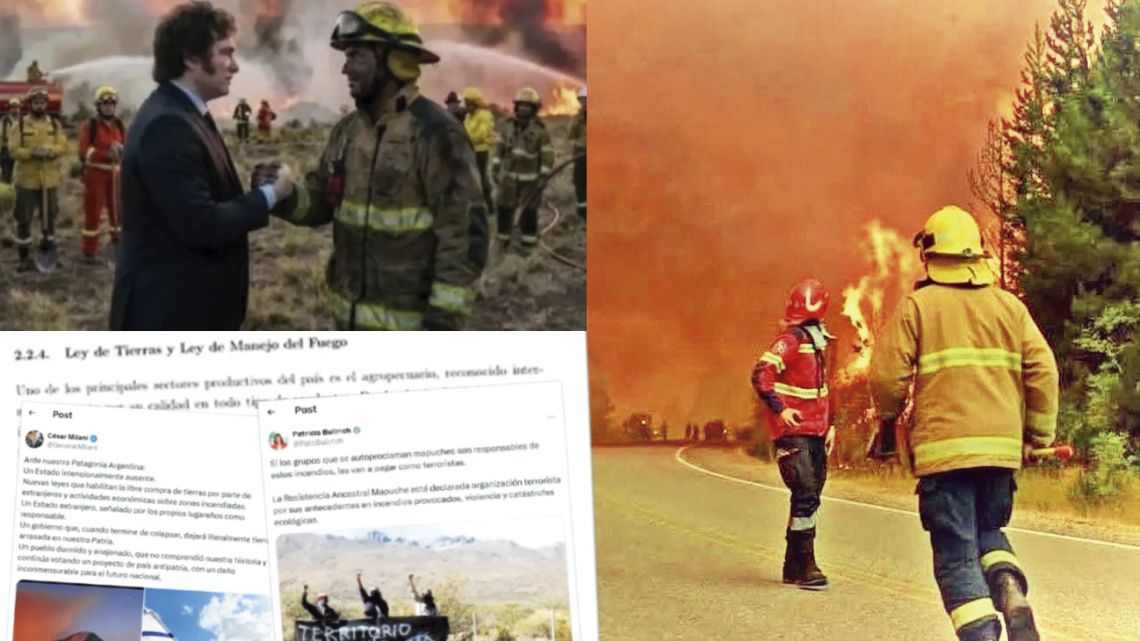
In the southern reaches of South America, the majestic landscapes of Patagonia have become battlegrounds for more than just the wildfires ravaging the region. These devastating blazes have ignited another crisis: a firestorm of disinformation that spreads almost as quickly as the flames themselves.
Local authorities in both Argentina and Chile have been working tirelessly to combat false narratives circulating on social media platforms and messaging services. These fabricated claims range from assertions that the fires were deliberately set by environmentalists to accusations that they’re part of government conspiracies to seize land from private owners.
“The spread of disinformation during environmental crises has become increasingly problematic,” explains Martín Rodríguez, a digital communications expert at the University of Buenos Aires. “We’re seeing coordinated efforts to exploit these tragedies for political purposes, often targeting environmental policies and climate action initiatives.”
The wildfires, which have destroyed over 45,000 hectares of Patagonian forests and grasslands this season alone, come amid increasingly severe drought conditions that scientists attribute to climate change. The region has experienced record-breaking temperatures and below-average rainfall for the third consecutive year.
In Chile’s Biobío region, firefighters battling a particularly aggressive blaze last month found themselves also fighting rumors that claimed the fires were started by environmental activists seeking to pressure the government into declaring protected status for more forestland. Officials quickly debunked these claims, providing evidence that lightning strikes had ignited the initial fires, but not before the false narrative had been shared thousands of times across digital platforms.
The Argentine province of Chubut faced similar challenges when images of fires from previous years and even from other countries were circulated as current events, accompanied by allegations that certain political figures were involved in orchestrating the disasters.
“These disinformation campaigns have real consequences,” says Carolina Méndez, spokesperson for Argentina’s National Fire Management Service. “They divert attention from the actual emergency response, undermine public trust in official communications, and can lead to dangerous situations where people either panic unnecessarily or fail to evacuate when they should.”
The economic stakes are particularly high in Patagonia, a region whose tourism industry generates billions of dollars annually across both countries. The area’s pristine natural beauty draws visitors from around the world for hiking, fishing, and wildlife observation. Extended fire seasons and the perception of uncontrolled blazes could significantly impact this crucial sector.
Local businesses have already reported cancellations for the upcoming tourist season. “We’ve had several groups postpone their bookings after seeing alarming—and often inaccurate—reports about the fires,” notes Eduardo Calderón, who operates a series of eco-lodges near Argentina’s Los Alerces National Park.
Environmental experts emphasize that while the immediate focus must remain on containing the current fires, longer-term strategies are needed to address both the environmental and informational challenges.
“Climate change is making these regions more susceptible to wildfires,” explains Dr. Elena Vargas, climatologist at Chile’s Universidad Austral. “We’re seeing longer fire seasons, more lightning strikes due to unstable weather patterns, and vegetation that’s increasingly dry and flammable. This is the scientific reality that gets obscured when disinformation takes hold.”
Both Argentine and Chilean authorities have established dedicated digital response teams to monitor and counter false information in real time. These teams work alongside firefighting coordinators to ensure accurate updates reach affected communities and the broader public.
Regional governments have also launched educational campaigns to help citizens verify information before sharing it online. These initiatives include simple guidelines for identifying reliable sources and recognizing common tactics used in disinformation.
“Ultimately, this is about more than just setting the record straight,” says Rodríguez. “It’s about preserving the integrity of our collective response to environmental crises. When we allow disinformation to flourish, we undermine our ability to address the very real challenges of climate change and ecosystem management.”
As Patagonia’s firefighters continue their battle against the flames, the region’s information specialists remain equally vigilant, working to ensure that truth doesn’t become another casualty of these increasingly common disasters.
Fact Checker
Verify the accuracy of this article using The Disinformation Commission analysis and real-time sources.

31 Comments
The cost guidance is better than expected. If they deliver, the stock could rerate.
Good point. Watching costs and grades closely.
If AISC keeps dropping, this becomes investable for me.
Exploration results look promising, but permitting will be the key risk.
Good point. Watching costs and grades closely.
Silver leverage is strong here; beta cuts both ways though.
Good point. Watching costs and grades closely.
Good point. Watching costs and grades closely.
Uranium names keep pushing higher—supply still tight into 2026.
Good point. Watching costs and grades closely.
Uranium names keep pushing higher—supply still tight into 2026.
Uranium names keep pushing higher—supply still tight into 2026.
I like the balance sheet here—less leverage than peers.
Good point. Watching costs and grades closely.
Good point. Watching costs and grades closely.
I like the balance sheet here—less leverage than peers.
Good point. Watching costs and grades closely.
Good point. Watching costs and grades closely.
I like the balance sheet here—less leverage than peers.
Good point. Watching costs and grades closely.
The cost guidance is better than expected. If they deliver, the stock could rerate.
Good point. Watching costs and grades closely.
Production mix shifting toward Disinformation might help margins if metals stay firm.
Good point. Watching costs and grades closely.
Good point. Watching costs and grades closely.
Interesting update on Patagonia Wildfires Exploited as Disinformation Tools. Curious how the grades will trend next quarter.
The cost guidance is better than expected. If they deliver, the stock could rerate.
Good point. Watching costs and grades closely.
The cost guidance is better than expected. If they deliver, the stock could rerate.
Good point. Watching costs and grades closely.
Good point. Watching costs and grades closely.