


Listen to the article
Somali Journalists Receive Specialized Training for Election Coverage
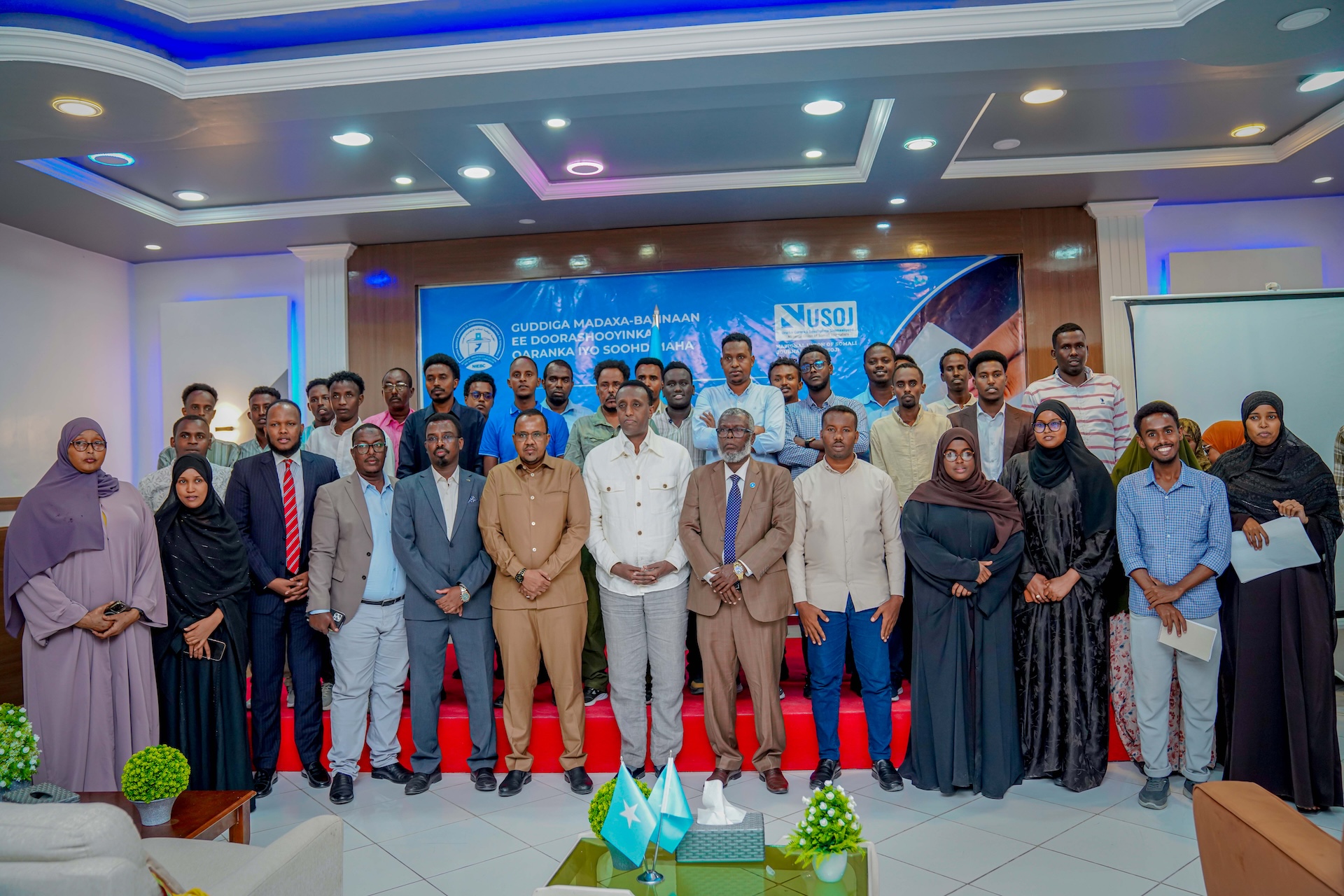
The National Union of Somali Journalists (NUSOJ) has completed a comprehensive training program for 102 journalists aimed at enhancing professional election coverage in Somalia. The two-day workshop, conducted in partnership with the National Independent Electoral Boundaries Commission (NIEBC), focused on equipping media professionals with essential skills for covering the upcoming Banadir regional local council elections.
Participants from 27 mainstream media outlets in Mogadishu, including both private and state-owned organizations, received training on journalistic safety, combating misinformation, and professional election reporting standards. The training sessions, held on December 16-17, 2025, brought together reporters and editors who will be at the forefront of covering this significant democratic exercise.
A key feature of the program was direct engagement with electoral officials, allowing journalists to gain firsthand insights into the election process. Participants received detailed briefings on electoral guidelines, rules, and procedures directly from NIEBC representatives. The commission provided valuable information on how the electoral process is structured and implemented on the ground.
“When major newsworthy events are taking place and journalists and media houses are actively geared up to cover them, it is important to strengthen the professional capacity of local journalists, prepare them to safeguard their safety and security and equip them to identify, detect and counter disinformation and misinformation,” said NUSOJ Secretary General Omar Faruk Osman.
Osman emphasized the critical role of independent journalism during elections, noting that reporters must be able to present diverse and sometimes opposing views without fear or interference. He stressed that access to accurate official information is fundamental to fulfilling this responsibility.
The training also addressed the heightened safety concerns that journalists face during election periods. Sessions explored the responsibilities of authorities in protecting media professionals and practical measures that journalists themselves can take to mitigate risks while reporting from the field.
Another significant focus was on strategies to combat disinformation and misinformation throughout the election cycle. Participants learned techniques to identify false information and report accurately, recognizing the severe impact that misinformation can have on public trust, electoral integrity, and journalist safety.
In a promising development for press freedom, the leadership of NUSOJ and the Somali Media Women Association (SOMWA) held a high-level meeting with NIEBC Chairperson Abdikarim Ahmed Hassan to discuss concrete measures ensuring journalist safety and access to information during the electoral process.
Following this meeting, the NIEBC chairperson made a public announcement at a press conference attended by senior security officials, including the Somali Federal Police Commissioner and the Benadir Police Commissioner. The officials declared that journalists’ safety and security would be “fully guaranteed” and that they would have “unhindered access throughout the process.”
The training initiative comes at a crucial time for Somalia’s developing democracy. The Banadir regional local council elections represent an important step in the country’s efforts to establish stable democratic institutions after decades of conflict and political instability.
Media coverage of elections in Somalia has historically been challenging due to security concerns and limited resources for journalists. By investing in professional training and establishing formal commitments to press freedom from electoral and security authorities, stakeholders hope to facilitate more comprehensive and accurate reporting of the democratic process.
As Somalia continues its journey toward democratization, the role of a well-trained, independent press remains essential for ensuring transparency, accountability, and public engagement in the electoral process. The collaboration between journalist organizations and electoral authorities signals a potentially positive environment for media coverage of the upcoming elections.
Fact Checker
Verify the accuracy of this article using The Disinformation Commission analysis and real-time sources.

16 Comments
Providing journalists with first-hand insights into the election process directly from electoral officials is a smart approach. This transparency can help build public trust in the democratic process.
Absolutely. Fostering open communication between the media and election authorities is crucial for ensuring fair and credible elections.
Journalistic safety is a critical consideration when reporting on elections, especially in regions with ongoing political tensions. I’m glad to see this important aspect included in the training program.
Equipping journalists with the skills to cover elections safely and accurately is a crucial investment in democratic governance. This training program seems like a step in the right direction.
The participation of both private and state-owned media outlets in this training program is a positive sign. Diverse media representation is crucial for balanced and objective election coverage.
Agreed. Inclusive engagement with the media industry helps foster a level playing field and build public trust in the electoral process.
This training program seems like a valuable investment in strengthening the capacity of Somali journalists to cover elections effectively. Kudos to the National Union of Somali Journalists and the NIEBC for their collaborative efforts.
I agree. Building the skills and knowledge of media professionals is essential for ensuring the public has access to reliable, fact-based information during elections.
I’m curious to learn more about the specific training curriculum. What were some of the key skills and best practices covered to enhance election reporting standards?
Comprehensive training for journalists on election coverage, safety, and disinformation is crucial. Equipping media professionals with the right skills helps ensure fair and accurate reporting during elections.
Agreed. Direct engagement between journalists and electoral officials is key to building mutual understanding and trust.
It’s encouraging to see this type of specialized training being provided to journalists. Combating misinformation and upholding professional reporting standards are vital for the integrity of the electoral process.
The two-day workshop format appears to have been an efficient way to provide comprehensive training to a large group of media professionals. I’m curious to know if there are plans for ongoing support or refresher sessions.
That’s a good point. Continued training and engagement with journalists would help ensure the skills and knowledge gained are sustained over time.
It’s great to see 102 journalists from 27 media outlets in Mogadishu receive this specialized training. Covering elections professionally and safely is vital for a healthy democracy.
The focus on combating misinformation is particularly important. Journalists play a critical role in fighting the spread of false information during elections.