


Listen to the article
The leaders of two prominent terror organizations, Jaish-e-Mohammed and Lashkar-e-Taiba, have launched an extensive disinformation campaign in an attempt to revitalize their recruiting efforts following significant operational setbacks, according to security officials.
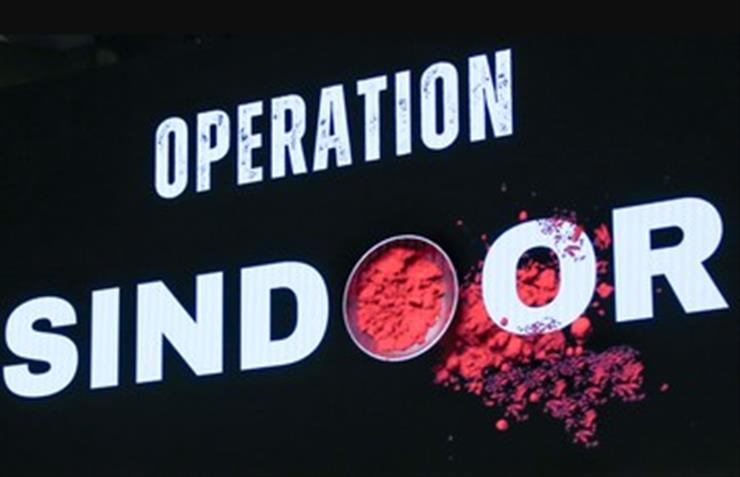
Indian intelligence sources report that Operation Sindoor, a targeted counterterrorism initiative by Indian security forces, has severely weakened these organizations, creating unprecedented challenges for their leadership. The operation, which was launched in response to the Pahalgam attack, appears to have dealt a blow far more substantial than the terror groups had anticipated.
“Their traditional narrative promoting jihad against India is failing to resonate with potential recruits,” said a senior security official who requested anonymity due to the sensitivity of the matter. “Young people are increasingly viewing these organizations as weakened and ineffective after the decisive response from Indian armed forces.”
This perception problem has forced the terror groups to shift their recruitment strategy, fabricating narratives that portray them as still powerful and unaffected by Indian counterterrorism operations. The disinformation campaign appears designed to salvage their diminishing appeal among the youth demographic that has historically provided their recruitment base.
Particularly notable is how Lashkar-e-Taiba commanders have pivoted to discussing international geopolitics in their messaging. This tactical shift aims to convince potential recruits that Pakistan maintains significant global influence while suggesting that India stands isolated in the international community. Security analysts suggest this represents a desperate attempt to create a favorable contrast for recruitment purposes.
Hafiz Abdul Rauf, a high-ranking Lashkar-e-Taiba commander who also leads the organization’s charitable wing, has been particularly vocal about supposed improved relations between Pakistan and the United States. This narrative serves a dual purpose: enhancing the perceived legitimacy of the terror organization while suggesting international backing for their cause.
The charitable wing referenced in intelligence reports is widely believed to be a front organization that helps the terror group maintain a veneer of legitimacy while facilitating recruitment and fundraising activities. Such dual structures have long been employed by terrorist organizations to evade international sanctions and maintain operational capacity.
Security experts analyzing these developments note that the desperation evident in these propaganda efforts signals a significant achievement for Indian counterterrorism operations. The groups’ struggle to attract new recruits suggests that Operation Sindoor has successfully disrupted not just their operational capabilities but their ability to regenerate their ranks.
“When terror groups resort to fabricating stories about their strength, it’s typically a sign of internal weakness,” explained a counterterrorism researcher at a New Delhi-based think tank. “Their inability to point to actual operational successes forces them to create fictional narratives.”
The Pahalgam attack that precipitated Operation Sindoor represented one of several attempts by these Pakistan-based terror groups to destabilize Kashmir and provoke sectarian tensions. However, the swift and decisive Indian response appears to have not only neutralized immediate threats but also damaged the groups’ longer-term recruitment pipeline.
Indian security forces continue to monitor these disinformation efforts closely, with particular attention to how messaging is being disseminated across social media platforms and through community networks. Officials remain concerned that despite their current weakened state, these organizations retain the motivation and some capability to orchestrate attacks if they can successfully rebuild their ranks.
Regional security analysts suggest that maintaining pressure on these groups remains essential, as history has shown that terror organizations can demonstrate significant resilience if given space to reorganize and regroup.
Fact Checker
Verify the accuracy of this article using The Disinformation Commission analysis and real-time sources.

14 Comments
This news highlights the importance of combating disinformation, especially when it comes from groups like JeM and LeT. Fact-based reporting is essential in exposing their propaganda efforts.
Agreed. Disrupting the narratives pushed by these terror groups is a crucial part of the broader counterterrorism strategy. Kudos to the security forces for their proactive approach.
The detailed reporting on this investigation provides a valuable look into the tactics used by JeM and LeT to try and revive their recruitment efforts. Kudos to the security forces for their decisive response.
Yes, the insights gained from this operation will be instrumental in further undermining the influence of these terrorist organizations. Maintaining pressure is key.
This investigation provides valuable insights into the tactics used by JeM and LeT to recruit new members. Disrupting their propaganda is an important step in weakening these organizations.
Agreed. Exposing their disinformation efforts is a significant blow that could undermine their ability to attract supporters, especially among younger demographics.
Interesting to see how terror groups are trying to salvage their image after suffering setbacks. Disinformation campaigns often backfire, so it’s good to see Indian forces pushing back effectively.
Indeed, a strong counterterrorism response seems crucial to curb the influence of these groups. Fact-based reporting is key to countering their false narratives.
It’s concerning to see the lengths JeM and LeT will go to in an attempt to revitalize their recruitment efforts. But it’s reassuring to know that Indian security forces are actively working to counter their disinformation campaigns.
Absolutely. Exposing the truth about these groups’ diminished capabilities is a vital step in undermining their influence and preventing them from gaining new members.
The content snippet highlights the challenges these terror groups face in maintaining their public image after setbacks from Indian counterterrorism operations. Their desperation is palpable.
Yes, it’s clear they’re resorting to fabricated narratives in a last-ditch effort to stay relevant. This investigation is an important step in thwarting their recruitment drives.
It’s reassuring to see Indian security forces effectively countering the disinformation campaigns of JeM and LeT. Maintaining public awareness of their weakened state is crucial.
Absolutely. Exposing the truth about these terror groups’ diminished capabilities could help deter potential recruits from joining their ranks.