


Listen to the article
Online disinformation and leadership failures fueled the 2022 Hindu-Muslim violence in Leicester, according to a comprehensive independent inquiry released this week. The 200-page report, titled “Better Together: Understanding the 2022 Violence in Leicester,” paints a damning picture of institutional shortcomings and community tensions in a city once celebrated as a model of multicultural harmony.
The investigation, conducted by researchers from the School of Oriental and African Studies and the London School of Economics, was chaired by Juan Méndez, a human rights expert and former UN special rapporteur. The inquiry team interviewed approximately 80 individuals, including witnesses and those directly involved in the unrest.
The violence, which unfolded between May and September 2022, manifested as vandalism, attacks on homes and businesses, and physical assaults. More than 50 people were ultimately charged with related offenses. According to the report, responsibility for the disorder was shared among both Hindu and Muslim communities, with members of both groups acting as “both victims and perpetrators.”
At the heart of the conflict was a digital ecosystem of misinformation that researchers identified as a “central accelerant of the crisis.” False narratives spreading online fostered deep mistrust between communities that had previously lived together peacefully for generations.
The timeline of events began in May 2022 with what investigators described as a “violent attack by a group of Hindu youths on a young Muslim man.” This incident sparked a series of escalating confrontations, including an egg attack on a Hindu household. Tensions reached a breaking point in September when a large march by Hindu youths from Belgrave to Green Lane Road attracted international attention and media coverage.
Sports rivalries also played a role in the deteriorating situation, with the report noting that confrontations between India and Pakistan cricket supporters on August 15 contributed significantly to the growing animosity between communities.
Professor Chetan Bhatt, a sociologist from LSE who contributed to the research, told The Guardian that the level of polarization between Hindu and Muslim communities in Leicester was unprecedented in his experience of studying UK community relations. He warned that similar communal tensions remain a serious risk to social cohesion across Britain.
The inquiry reserved particularly harsh criticism for local leadership. It found “no evidence of leadership” from Leicester City Council and its Labour mayor, Peter Soulsby, noting that researchers made repeated attempts to involve the mayor, but these were declined. This leadership vacuum appears to have exacerbated tensions at a time when clear direction was desperately needed.
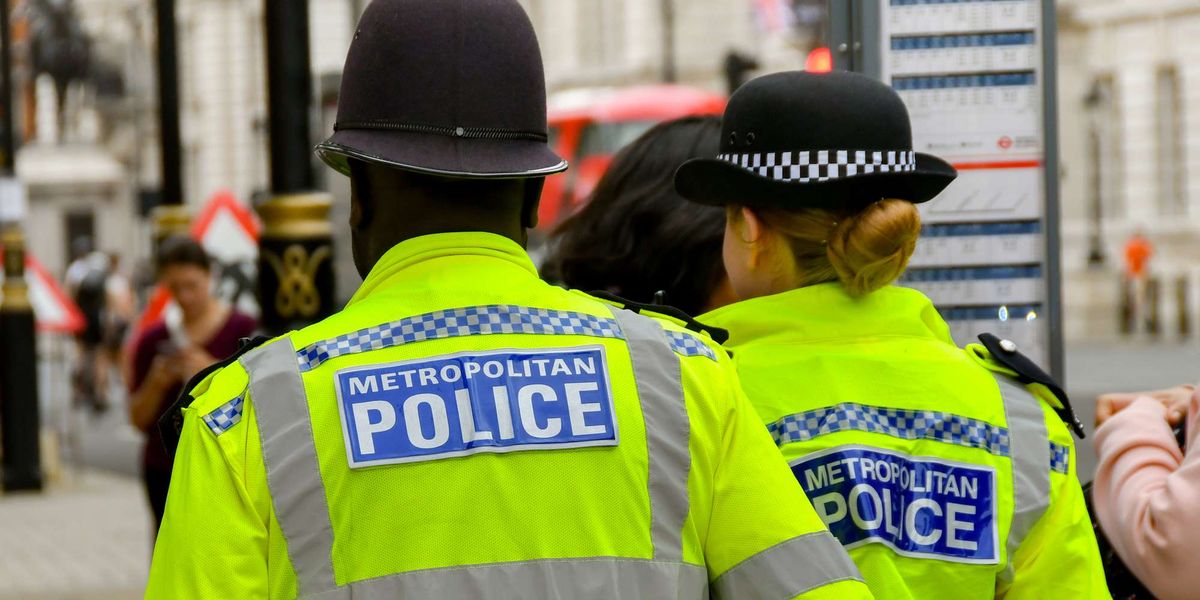
Leicestershire Police also faced significant criticism for what the report characterized as “intelligence gaps, poor communication, inconsistent operational decisions and a lack of understanding of communal dynamics in south Asian communities.” Despite these failings, the inquiry acknowledged that several police interventions likely prevented even greater violence.
Looking beyond the immediate causes, the report identified concerning structural issues, warning that community coexistence in Leicester is “increasingly fragmenting” due to changing migration patterns, economic decline, and the growing influence of polarizing political ideologies including communalism, Hindutva, and political Islamism.
To address these challenges, the inquiry proposed several concrete recommendations, including establishing a permanent community unity forum and implementing specialized police training on communalism and sectarian dynamics.
In response to the report, Mayor Soulsby said he would “look carefully at what they have to say,” though he questioned the inquiry’s independence—a response that critics say reflects the very leadership deficiencies identified in the investigation.
The Leicester case highlights the growing challenge of maintaining community cohesion in an age of digital misinformation, changing demographics, and global political influences that can quickly transform local disputes into dangerous communal conflicts.
Fact Checker
Verify the accuracy of this article using The Disinformation Commission analysis and real-time sources.

12 Comments
This is a concerning report on the unrest in Leicester. It highlights the damaging impact of online disinformation and the need for better community leadership and dialogue to address tensions. Fact-based, impartial analysis is crucial to understand complex social issues.
You’re right, the report emphasizes the importance of addressing the root causes and avoiding further escalation through open communication and responsible leadership.
The findings around shared responsibility between the Hindu and Muslim communities are thought-provoking. It suggests the need for introspection and accountability within both groups to address the underlying tensions. A balanced, impartial approach focusing on facts and constructive dialogue will be crucial.
Absolutely, simplistic narratives that place blame on one side are unlikely to lead to lasting solutions. Bringing people together through open communication and a shared commitment to peace and unity should be the priority.
The findings around shared responsibility between Hindu and Muslim communities are interesting. It suggests a complex dynamic that requires nuanced solutions, not simplistic finger-pointing. Addressing the underlying social and digital factors will be key to promoting true unity.
Agreed, this underscores the need for balanced, evidence-based approaches that bring people together rather than divide them further. Rebuilding trust and fostering constructive dialogue seem essential.
Disinformation and leadership failures fueling unrest is a concerning trend we’ve seen in many places. It’s a complex challenge that requires tackling the spread of false narratives online as well as strengthening institutions and community cohesion.
Absolutely, this goes to show the real-world consequences of unchecked online misinformation. Policymakers and community leaders must work together to address these systemic issues head-on.
This is a complex issue with no easy answers. The report’s emphasis on the role of online disinformation and leadership failures is concerning but not surprising. Rebuilding trust and promoting open dialogue within divided communities is key to preventing such unrest in the future.
Agreed, a multi-pronged approach addressing both the digital and community-level factors will be essential. Fact-based analysis and inclusive, solutions-oriented leadership should be the guiding principles.
The report’s findings on the shared responsibility between Hindu and Muslim groups is an important nuance. It suggests the need for introspection and accountability within both communities to resolve the underlying tensions. A balanced, impartial approach will be crucial.
You make a good point. Placing blame solely on one side is unlikely to lead to durable solutions. A more holistic, collaborative effort that engages all stakeholders may be the best path forward.