


Listen to the article
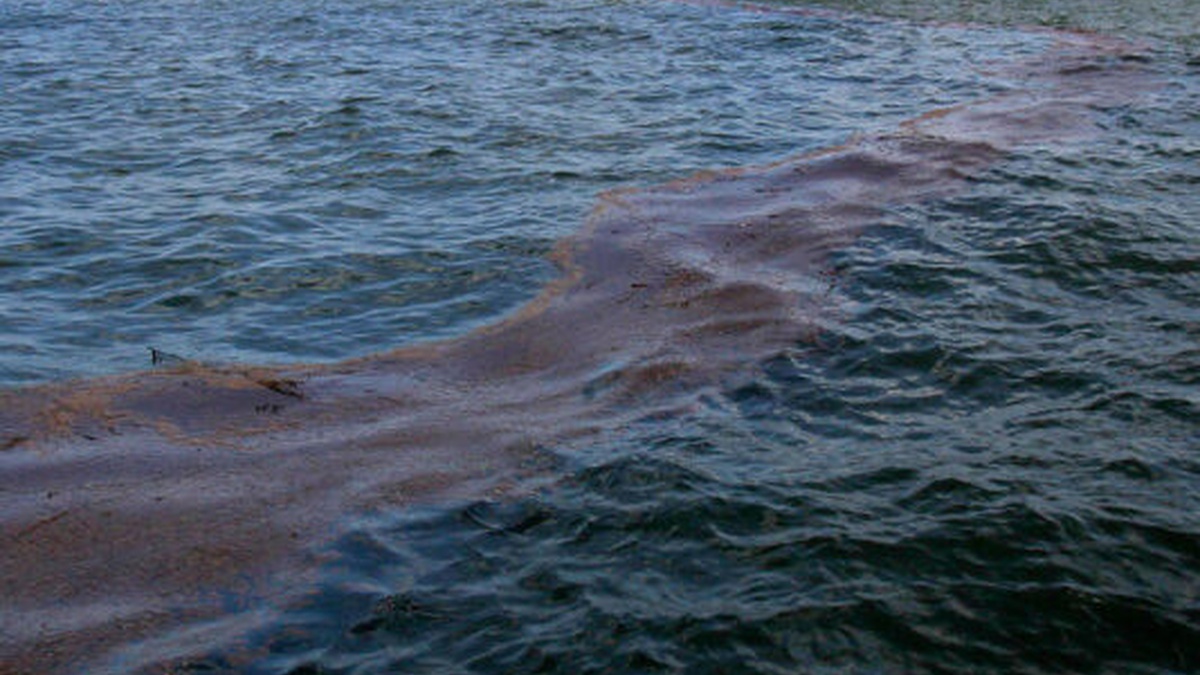
New oily slicks have appeared in the Black Sea waters off Ukraine’s coast, affecting both the Odesa district and the protected Tuzly Lagoons National Nature Park, according to a report from Ukraine’s Center for Countering Disinformation.
The contamination stems from damage inflicted on sunflower oil storage tanks near the Adzhalyk estuary during Russian drone strikes in late December 2023. Following these attacks, significant quantities of oil leaked into the sea, creating an environmental emergency in the region.
Staff at the Tuzly Lagoons National Nature Park have documented pollution covering approximately 10,000 square meters. The Center noted that while much of the oil mass has polymerized and settled on the seabed of the Odesa Gulf, a persistent film remains on the water’s surface. This oily layer is having severe ecological consequences, restricting oxygen access to the water and compromising the respiratory functions of marine organisms.
The environmental impact became particularly evident during a recent storm, which triggered a mass die-off of crabs in the affected area. Marine biologists warn that such contamination can cause lasting damage to delicate Black Sea ecosystems, which are already under pressure from various environmental stressors.
Ukraine’s Center for Countering Disinformation has characterized the incident as “another act of environmental terror” perpetrated by Russia in the Black Sea region. This assessment aligns with growing international concern over the environmental consequences of the ongoing conflict.
“Attacks on ports, civilian industrial and logistics facilities create not only threats to human life but also destroy the ecosystem, the consequences of which extend far beyond the battlefield,” the Center stated on its Telegram channel.
The Black Sea region holds significant economic importance for Ukraine, particularly for its agricultural exports. Sunflower oil represents one of Ukraine’s primary export commodities, with the country typically ranking among the world’s largest producers and exporters of this product. The damage to storage facilities therefore represents both an environmental and economic blow.
Environmental experts have raised concerns about the longer-term implications of such pollution. Oil spills can persist in marine environments for years, affecting not only wildlife but also potentially impacting fisheries and tourism. The Tuzly Lagoons, a protected area known for its biodiversity, is particularly vulnerable to such contamination.
Maritime pollution from conflict-related incidents presents unique challenges for cleanup efforts, especially in areas where security concerns may hamper remediation activities. International environmental organizations have previously documented numerous cases of ecological damage resulting from the conflict in Ukraine, including pollution of waterways, destruction of natural habitats, and contamination of soil.
The incident highlights the often-overlooked environmental dimension of armed conflicts. While immediate human casualties and infrastructure damage typically receive the most attention, environmental degradation can have profound and lasting effects on affected regions.
Local authorities are reportedly assessing options for containment and cleanup of the spill, though details about specific remediation efforts remain limited. Environmental recovery in such cases typically requires specialized equipment and expertise, as well as significant time and resources.
As tensions continue in the region, environmental monitoring organizations are calling for greater attention to the ecological consequences of military actions and for environmental protection to be considered a crucial aspect of security discussions.
Fact Checker
Verify the accuracy of this article using The Disinformation Commission analysis and real-time sources.

14 Comments
While the reports of new oil slicks in the Black Sea are deeply concerning, I’m curious to learn more about the specific steps being taken by Ukrainian authorities and environmental organizations to contain the spill and mitigate the damage to marine life and habitats.
This oil spill in the Black Sea is a sobering reminder of the broader environmental consequences of conflict. While the immediate priority must be to contain the spill and mitigate the damage, it’s crucial that we also consider the long-term implications for the region’s fragile ecosystems and the communities that depend on them.
Well said. The environmental toll of this incident underscores the importance of prioritizing environmental protection and sustainability, even in the midst of geopolitical tensions. Careful planning and international cooperation will be essential to address the immediate crisis and build greater resilience for the future.
This is a concerning environmental disaster in the Black Sea. Damage to oil storage facilities during the conflict has led to significant oil spills, harming marine ecosystems. Effective cleanup and containment efforts will be crucial to mitigate the long-term ecological impacts.
Indeed, the oil slicks and die-off of marine life are deeply troubling. Protecting the sensitive Tuzly Lagoons National Nature Park should be a top priority in the cleanup efforts.
It’s alarming to see the extent of the oil contamination in the Black Sea, especially in a protected nature reserve. This spill is clearly having severe consequences for the local marine ecosystems. Prompt action is needed to prevent further environmental damage.
You’re right, this is a serious environmental crisis that requires an urgent response. I hope the authorities are able to quickly contain the spill and mitigate the impacts on the fragile Black Sea ecosystem.
The reports of oil contamination in the Tuzly Lagoons National Nature Park are deeply concerning. As a protected and ecologically sensitive area, the impacts of this spill could be particularly devastating. I hope the authorities are able to act swiftly to contain the spread of the oil and prevent further damage to the local marine life and habitats.
The reports of new oil slicks and mass die-offs of marine life in the Black Sea are deeply concerning. This incident highlights the need for robust safeguards and emergency response plans to protect sensitive ecosystems from the risks of energy infrastructure damage during conflicts.
This oil spill in the Black Sea is a tragic environmental disaster that underscores the broader challenges of protecting fragile ecosystems during times of conflict. I hope the international community can come together to support Ukraine’s efforts to clean up the spill and restore the affected marine habitats.
You make an important point. This incident highlights the need for greater international cooperation and coordination to safeguard the environment, even in the midst of geopolitical tensions. Urgent action is required to minimize the long-term harm to the Black Sea ecosystem.
This oil spill in the Black Sea is a stark reminder of the cascading environmental impacts that can result from damage to energy infrastructure during times of conflict. My heart goes out to the marine life and ecosystems suffering the consequences of this disaster.
Agreed. Protecting vulnerable natural areas like the Tuzly Lagoons National Nature Park should be a top priority in the cleanup and mitigation efforts. The long-term ecological impacts need to be carefully assessed and addressed.
The reports of new oil slicks and mass die-offs of marine life in the Black Sea are deeply troubling. While the immediate focus must be on containing the spill and mitigating the damage, it’s critical that we also consider the broader implications for the region’s delicate ecosystems and the communities that rely on them. Protecting vulnerable natural areas like the Tuzly Lagoons National Nature Park should be a top priority in the cleanup and restoration efforts.