


Listen to the article
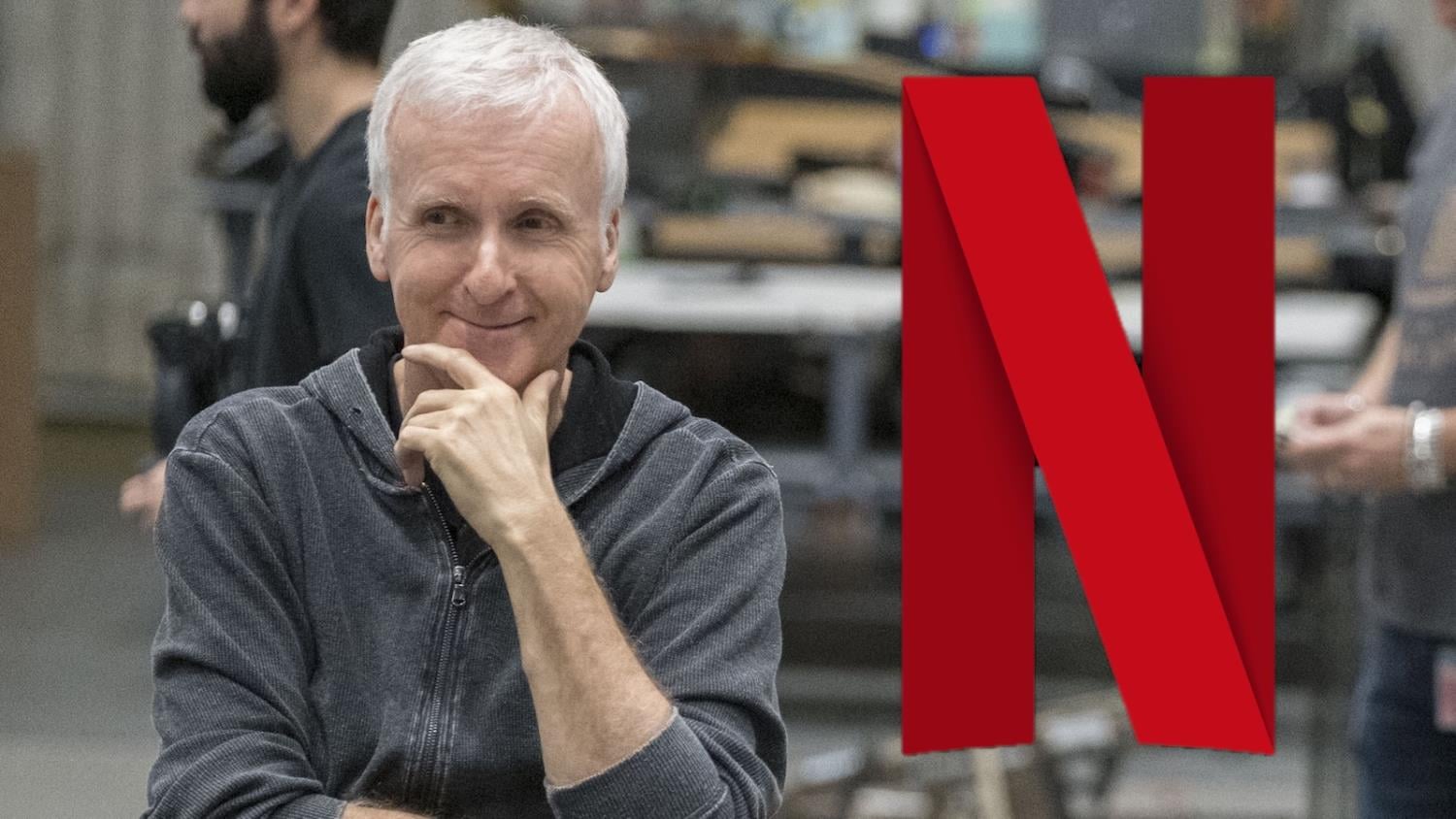
Hollywood heavyweight James Cameron has sparked a heated exchange with Netflix CEO Ted Sarandos over the streaming giant’s potential acquisition of Warner Bros. Discovery, highlighting growing tensions in the evolving media landscape.
Cameron, the acclaimed director behind blockbusters like “Terminator” and “Avatar,” recently addressed Senator Mike Lee in a letter supporting Paramount Skydance’s competing bid. The filmmaker cited concerns about Netflix’s commitment to theatrical releases, referencing past comments where Sarandos allegedly described movie theaters as an “outdated concept.”
“I am but a humble movie farmer. And I see my future creativity and productivity directly threatened by this proposed sale,” Cameron wrote, expressing worry about the future of traditional cinema if the Netflix deal proceeds. He specifically questioned Netflix’s theatrical release practices, describing them as “token” efforts designed primarily to qualify for Academy Awards rather than genuinely supporting the theatrical experience.
Sarandos quickly fired back during an appearance on Fox Business Network’s “The Claman Countdown,” expressing surprise at Cameron’s involvement in what he characterized as a “disinformation campaign” by Paramount.
“I’m particularly surprised and disappointed that James chose to be part of the Paramount disinformation campaign that’s been going on for months about this deal,” Sarandos stated. He directly refuted Cameron’s claims about theatrical windows, adding, “I have never even uttered the words ’17-day window.’ So I don’t know where it came from or why he would be part of that machine.”
The Netflix executive emphasized the company’s commitment to theatrical releases, stating, “Movies go into the theaters for 45 days, a healthy, robust slate of films every year, that is going to continue. This deal is contingent on that for us to — for it to work.” Sarandos has since submitted his own letter to Senator Lee, claiming Cameron “knowingly misrepresents our position and commitment to the theatrical release of Warner Bros. films.”
The public clash comes at a critical juncture for Warner Bros. Discovery as it evaluates competing acquisition offers. Despite previously setting March 20 for shareholders to vote on the Netflix deal, WBD is reportedly reconsidering Paramount Skydance’s latest proposal, hoping to secure a “best and final” offer that could potentially force Netflix to increase its bid.
The financial stakes are substantial. Netflix’s current offer values Warner Bros.’ film and television assets at approximately $27.75 per share, totaling around $82.7 billion. This bid focuses specifically on Warner Bros. Pictures and HBO/HBO Max. Meanwhile, Paramount Skydance has expressed willingness to pay upwards of $31 per share for the entire WBD portfolio, which would also include cable networks like CNN, TNT, Discovery, HGTV, and Food Network.
Industry analysts note this situation represents a win-win scenario for WBD CEO David Zaslav and his executive team, as the bidding war potentially increases the company’s sale value regardless of which suitor ultimately prevails.
The high-profile dispute underscores broader tensions within Hollywood regarding the future of theatrical exhibition as streaming services continue to reshape entertainment consumption patterns. For traditional filmmakers like Cameron, who built careers creating spectacular cinematic experiences meant for the big screen, the prospect of further consolidation under streaming-first companies represents an existential concern.
Meanwhile, Paramount appears determined to derail Netflix’s agreed deal, potentially through a proxy fight to convince board members to reject the streaming company’s offer next month if their own bid isn’t accepted.
The outcome of this corporate battle will likely have significant implications for the entertainment industry’s power structure, content distribution strategies, and the future relationship between streaming platforms and traditional theatrical exhibition.
Fact Checker
Verify the accuracy of this article using The Disinformation Commission analysis and real-time sources.

11 Comments
The tensions between established filmmakers and the streaming revolution are palpable in this dispute. Both Cameron and Sarandos make valid points, and the outcome could have significant implications for the industry. It’s an issue worth following closely as the media landscape continues to evolve.
This is a complex issue with valid arguments on both sides. I’m curious to see how the negotiations between Paramount Skydance and Netflix unfold, and what it might mean for the future of film distribution and the theatrical experience.
As a passionate film fan, I can understand Cameron’s perspective on preserving the traditional theatrical experience. At the same time, the evolving media landscape means companies like Netflix need to adapt. It will be fascinating to see how this all plays out.
This debate highlights the tensions between established filmmakers and the disruptive forces of streaming. While Cameron’s concerns about the theatrical experience are understandable, Sarandos’ response suggests Netflix is still committed to supporting it, even if their approach differs.
As someone who appreciates both the theater and streaming, I can understand the concerns raised by both Cameron and Sarandos. It’s a complex issue without easy answers, but I’m hopeful that a balanced approach can be found that serves the needs of filmmakers, audiences, and the industry as a whole.
As someone who enjoys both the theater and streaming, I have a nuanced view on this issue. I can appreciate Cameron’s perspective, but I also recognize the need for companies like Netflix to adapt to the changing landscape. It will be interesting to see how this plays out.
While I respect Cameron’s passion for traditional cinema, I think it’s important to acknowledge the evolving nature of the industry. Sarandos’ response suggests Netflix is still committed to supporting theatrical releases, even if their approach differs from the established model.
I’m curious to see how this dispute unfolds and what it means for the future of the film industry. Both Cameron and Sarandos make compelling arguments, and the outcome could have far-reaching consequences. It’s an issue worth following closely.
Interesting developments in the ongoing debate over the future of film distribution. While Cameron raises valid concerns, Sarandos’ response suggests Netflix is committed to supporting theatrical releases despite their streaming focus. This acquisition could have significant implications for the industry.
This debate raises important questions about the future of filmmaking and distribution. While I can empathize with Cameron’s desire to protect the traditional theatrical experience, I also recognize the need for companies like Netflix to adapt to changing consumer preferences. It will be fascinating to see how this all plays out.
This is a thought-provoking exchange that highlights the complexities facing the film industry. While I can understand Cameron’s concerns, Sarandos’ response suggests Netflix is still committed to supporting the theatrical experience, even if their approach differs from traditional models. It will be interesting to see how this all unfolds.