


Listen to the article
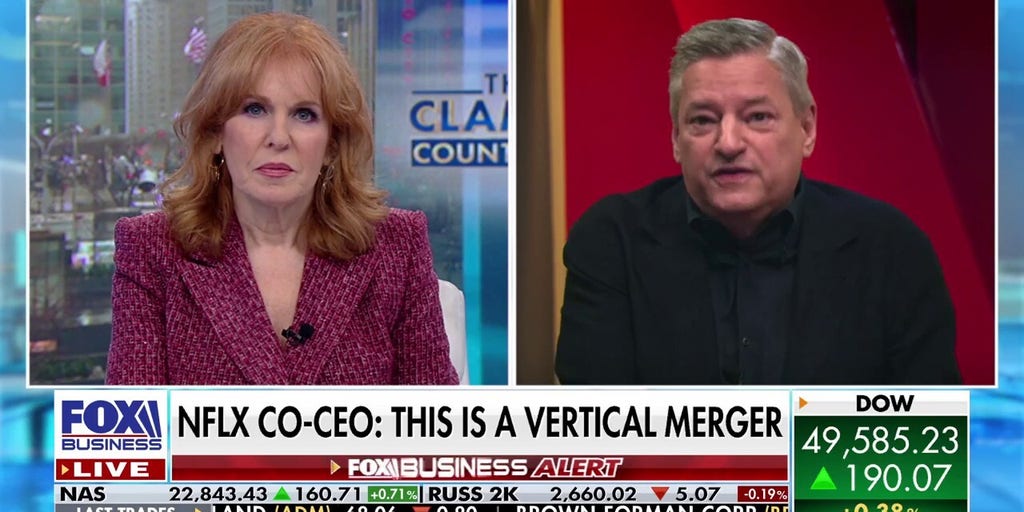
Netflix co-CEO Ted Sarandos has fired back at legendary filmmaker James Cameron, accusing him of participating in what he described as a “disinformation campaign” regarding Netflix’s potential acquisition of Paramount Global.
Speaking at the Cannes Lions advertising festival on Thursday, Sarandos addressed Cameron’s recent criticism of the streaming giant’s possible takeover of the storied Hollywood studio. Cameron, director of blockbusters like “Avatar” and “Titanic,” had expressed concerns about Netflix’s streaming-centric approach potentially damaging theatrical releases.
“I think he’s part of a disinformation campaign,” Sarandos said bluntly. “I’m a huge fan of Jim Cameron. I think he’s one of the greatest filmmakers of all time, but I do think that what they’re saying about our intentions is not accurate.”
The Netflix executive emphasized that his company has been increasingly supportive of theatrical releases, pointing to recent Netflix films that received significant theatrical runs, including “The Killer,” “May December,” and “Maestro.” This strategy represents a shift from Netflix’s earlier stance of minimal theatrical distribution.
“We’ve been releasing more and more films in theaters. And I’m a big believer in theatrical,” Sarandos said, challenging the narrative that Netflix would diminish Paramount’s theatrical presence if the acquisition goes through.
Cameron had voiced his objections in a joint letter with other prominent directors, including Christopher Nolan and Denis Villeneuve, expressing worry that Netflix might prioritize its streaming platform over theatrical exhibition if it acquired Paramount. Their concerns reflect broader anxiety in Hollywood about the changing distribution landscape as streaming continues to disrupt traditional business models.
The back-and-forth comes as Paramount Global, home to iconic franchises like “Star Trek,” “Mission: Impossible,” and “Transformers,” faces mounting pressure to find a buyer amid financial struggles. The company has been caught in the challenging transition between traditional media and streaming, with its Paramount+ service competing against larger rivals.
Netflix reportedly offered $6 billion for Paramount, though the studio’s controlling shareholder, Shari Redstone’s National Amusements, has been in discussions with multiple potential buyers. The acquisition would represent a significant consolidation in the entertainment industry, potentially giving Netflix access to Paramount’s extensive film library, ongoing franchises, and production capabilities.
Industry analysts note that the deal would be transformative for both companies. For Netflix, acquiring Paramount would provide a vast content library to bolster its streaming offerings while gaining established theatrical distribution channels. For Paramount, joining forces with the streaming leader could provide financial stability and a clearer path forward in the digital era.
The dispute highlights the tension between traditional Hollywood figures and streaming executives over the future of film distribution. While directors like Cameron champion the theatrical experience as essential to cinema, streaming platforms have revolutionized how audiences consume content, particularly during and after the COVID-19 pandemic.
Sarandos emphasized that Netflix’s interest in Paramount doesn’t signal any intention to diminish theatrical releases. “We’re not trying to hurt theaters. We’re actually investing more in them,” he said.
The potential acquisition comes during a period of significant consolidation in media, as companies seek scale to compete in an increasingly crowded marketplace. Warner Bros. merged with Discovery, Disney acquired 21st Century Fox, and Amazon purchased MGM in recent years, reflecting the industry’s dramatic reshaping.
Regulatory scrutiny would likely accompany any Netflix-Paramount deal, as antitrust concerns continue to grow regarding concentration of media ownership. The Biden administration has shown increased vigilance toward major corporate mergers, particularly in the technology and media sectors.
As negotiations continue, the public disagreement between Sarandos and Cameron underscores the high stakes and passionate perspectives surrounding the future of film distribution in an increasingly digital entertainment landscape.
Fact Checker
Verify the accuracy of this article using The Disinformation Commission analysis and real-time sources.

20 Comments
This is a fascinating clash of industry titans. I appreciate Sarandos’ perspective, but I also understand Cameron’s concerns about preserving the theatrical experience. It’s a complex issue with valid arguments on both sides.
As an audience member, I’m hopeful that the industry can find a way to balance the needs of streamers and traditional filmmakers. A diversity of distribution models may be the best path forward.
This conflict highlights the evolving landscape of the entertainment industry. It’s encouraging to see Netflix embracing more theatrical releases, as that can benefit both audiences and filmmakers.
I’m curious to hear more about Netflix’s specific plans for supporting theatrical releases, especially for high-profile projects. Transparency from both sides would be helpful.
Interesting to see the clash of industry titans on this issue. While I respect Sarandos’ defense of Netflix’s intentions, I can also understand Cameron’s concerns about the potential impact on the theatrical experience. It’s a nuanced debate without clear-cut solutions.
I’m hopeful that the industry can find ways to balance the needs of streaming platforms and traditional filmmaking. Compromise and collaboration may be the best path forward as the landscape continues to evolve.
Interesting perspective from Ted Sarandos. While I respect James Cameron’s filmmaking prowess, it’s understandable that Netflix would want to defend their strategy and intentions regarding acquisitions and theatrical releases.
It will be fascinating to see how this debate plays out between the streaming and traditional film industries. Both sides likely have valid concerns.
I have mixed feelings about this. While I respect Sarandos’ defense of Netflix’s intentions, I can also understand Cameron’s concerns about preserving the theatrical experience. It’s a complex issue without easy answers.
Ultimately, I hope the industry can find ways to balance the needs of streaming platforms and traditional filmmaking. Healthy competition and collaboration may be the best path forward.
This debate highlights the complexities and tensions in the entertainment industry as it navigates the rise of streaming. I appreciate Sarandos’ perspective, but I can also understand Cameron’s concerns about preserving the unique qualities of the theatrical experience.
Ultimately, I hope the industry can find ways to support a diversity of distribution models that serve both audiences and creators. Open dialogue and a willingness to compromise will be crucial in charting the path forward.
This is a complex issue without easy answers. I can understand the concerns of both Sarandos and Cameron, as they each have valid perspectives on the future of filmmaking. I’m hopeful the industry can find a balanced approach that serves both audiences and creators.
Ultimately, I think open and honest dialogue between all stakeholders will be crucial in charting the path forward. Preserving the art of filmmaking should be the top priority, regardless of distribution model.
I’m intrigued by Sarandos’ accusation of a ‘disinformation campaign.’ While I respect Cameron’s filmmaking achievements, I’m curious to hear more about Netflix’s specific plans for supporting theatrical releases. Transparency from both sides would be helpful.
This debate highlights the evolving landscape of the entertainment industry. I hope the industry can find ways to preserve the strengths of both streaming and traditional models as they navigate the future.
This back-and-forth between Sarandos and Cameron highlights the tensions in the industry as streaming continues to disrupt traditional models. It will be interesting to see how this plays out and what it means for the future of film.
I agree that transparency from both sides would be beneficial. Clearly, there are valid concerns and perspectives on both sides that warrant further discussion and compromise.
While I respect Sarandos’ defense of Netflix’s intentions, I can’t help but wonder if there’s more nuance to this debate than the public statements suggest. The future of filmmaking is uncertain, and we need open and honest dialogue to navigate it.
Ultimately, I hope the industry can find a way to preserve the strengths of both traditional and streaming models, as they both have an important role to play in the evolution of the art form.