


Listen to the article
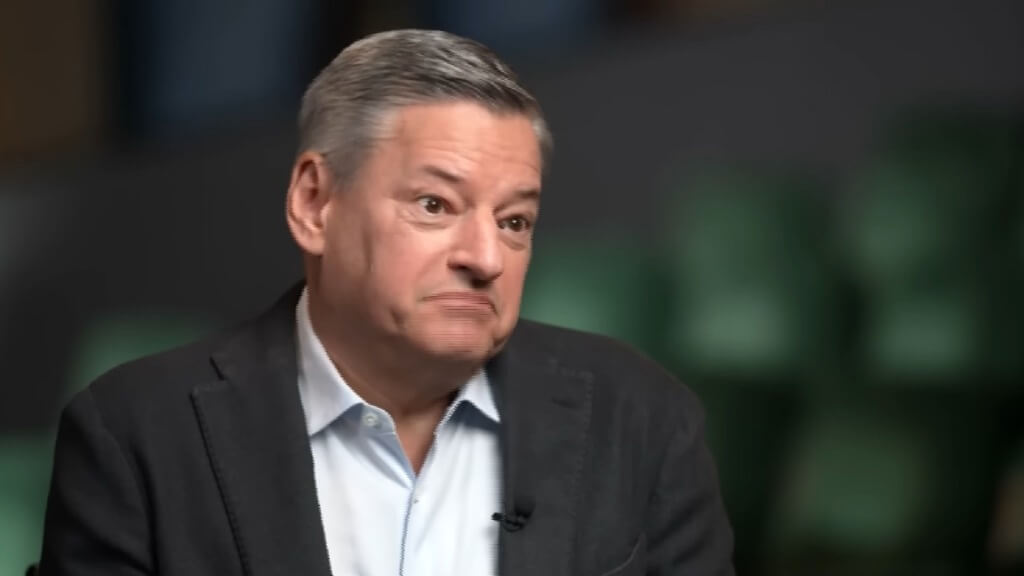
In a heated exchange that underscores the high stakes of media consolidation, Netflix co-CEO Ted Sarandos has publicly rebuked filmmaker James Cameron over his opposition to Netflix’s potential acquisition of Warner Bros. Discovery.
Cameron, the acclaimed director behind blockbuster franchises like “Avatar” and “Titanic,” recently submitted a letter to Senator Mike Lee, who chairs the Senate’s antitrust subcommittee. In his correspondence, Cameron expressed deep concerns about Netflix’s plans to acquire Warner Bros. Discovery, calling such a move “disastrous for the theatrical motion picture business that I have dedicated my life’s work to.”
Despite Cameron’s acknowledgment of Sarandos as “a good person and a clever business leader and innovator,” the Netflix executive responded with evident frustration during an appearance on Fox Business’s “The Claman Countdown” on Friday.
“I’m surprised and disappointed that James chose to be part of the Paramount disinformation campaign,” Sarandos stated, according to Deadline. His comments suggest he believes Cameron’s opposition is being fueled by Paramount, which remains a competitor in the bidding process for Warner Bros. Discovery.
Sarandos particularly contested Cameron’s reference to an alleged 17-day theatrical window that Netflix would impose on Warner Bros. films before moving them to streaming platforms. “I have never even uttered the words ’17-day window,'” Sarandos insisted. “So I don’t know where it came from or why he would be part of that machine.”
The Netflix executive pointed to his personal meeting with Cameron in December, during which he claims to have outlined a commitment to a more substantial 45-day theatrical exhibition window for Warner Bros. films. “I have talked about that commitment in the press countless times. I swore under oath in front of the Senate Subcommittee on Antitrust that that’s what we would be doing,” Sarandos emphasized.
Cameron’s letter, which became public record yesterday, acknowledges Sarandos’s statements but expresses skepticism about long-term commitments. The director suggested that regardless of current promises, Netflix would retain the ability to change course in the future, potentially prioritizing its streaming platform over traditional theatrical releases.
This public disagreement highlights the contentious nature of what has become a high-profile battle for control of Warner Bros. Discovery. While Netflix has reportedly had a bid accepted, Paramount – backed by media entrepreneur David Ellison – continues to pursue the acquisition aggressively.
The dispute takes place against the backdrop of dramatic industry transformation. Traditional studios and streaming platforms are engaged in an existential struggle that has reshaped how films are financed, distributed, and exhibited. Directors like Cameron, whose works depend on theatrical exhibition for both artistic and financial success, have increasingly voiced concerns about streaming services’ impact on cinema’s future.
Senator Lee’s involvement signals the regulatory complexity surrounding such massive media consolidations. The senator has already posted additional questions for Netflix regarding the acquisition on social media this weekend, indicating that Congressional scrutiny of the deal remains active and potentially challenging for Netflix.
The debate represents more than a personal disagreement between a filmmaker and executive; it embodies fundamental questions about the future of film distribution, theater viability, and market concentration in the entertainment industry. As streaming continues to disrupt traditional models, the outcome of Netflix’s bid for Warner Bros. Discovery could significantly influence how audiences experience films for decades to come.
Fact Checker
Verify the accuracy of this article using The Disinformation Commission analysis and real-time sources.

14 Comments
This is an interesting clash of perspectives between two influential figures in the entertainment industry. Sarandos’ response suggests he believes Cameron’s criticism is part of a broader ‘disinformation campaign,’ while Cameron seems to have genuine concerns about the impact of media consolidation on the theatrical experience. It will be worth following how this debate plays out and whether any compromise can be reached.
The battle lines are being drawn as the entertainment industry grapples with significant changes. Sarandos’ rebuke of Cameron suggests he feels the filmmaker’s opposition is unfairly influenced by a competitor’s interests. Meanwhile, Cameron seems to have genuine concerns about the future of theatrical releases. It will be fascinating to see how this disagreement evolves.
The battle lines are being drawn as the entertainment industry grapples with significant changes. Sarandos seems to feel that Cameron’s opposition is unfairly influenced by a competitor’s interests, while Cameron appears to have genuine concerns about the future of theatrical releases. It will be fascinating to see how this disagreement evolves and whether any common ground can be found.
This is a high-stakes clash between two prominent figures in the entertainment industry. Sarandos appears to believe that Cameron’s criticism is part of a broader ‘disinformation campaign,’ while Cameron seems to have genuine concerns about the impact of media consolidation on the theatrical experience. It will be interesting to see how this debate unfolds.
This is a fascinating clash of perspectives between two influential figures in the entertainment industry. Sarandos’ rebuke of Cameron suggests he believes the filmmaker’s criticism is part of a broader ‘disinformation campaign,’ while Cameron appears to have genuine concerns about the impact of media consolidation. It will be intriguing to see how this debate develops and whether any compromise can be reached.
Interesting to see the tension between media giants over industry consolidation. It’s understandable that filmmakers like Cameron would be concerned about the potential impact on theatrical releases, but Sarandos seems to feel the criticism is unfair. I wonder how this will play out.
This is an interesting clash of perspectives between two influential figures in the entertainment industry. Sarandos appears to believe that Cameron’s criticism is part of a broader ‘disinformation campaign,’ while Cameron seems to have genuine concerns about the impact of media consolidation on the theatrical experience. It will be worth following how this debate plays out and whether any common ground can be found.
This is an interesting clash of perspectives between two influential figures in the entertainment industry. Sarandos seems to believe that Cameron’s criticism is part of a broader ‘disinformation campaign,’ while Cameron appears to have genuine concerns about the impact of media consolidation. It will be worth following how this debate plays out.
The tension between Sarandos and Cameron highlights the complex dynamics at play as the entertainment industry continues to evolve. While Sarandos seems to feel that Cameron’s opposition is unfairly influenced by a competitor, Cameron appears to have genuine concerns about the potential impact on the theatrical experience. This is certainly a debate worth following closely.
The battle lines are being drawn as the entertainment industry grapples with significant changes. Sarandos’ rebuke of Cameron suggests he feels the filmmaker’s opposition is unfairly influenced by a competitor’s interests, while Cameron seems to have genuine concerns about the future of theatrical releases. It will be fascinating to see how this disagreement evolves and whether any compromise can be reached.
The tension between Sarandos and Cameron highlights the complex dynamics at play as the entertainment industry continues to evolve. While Sarandos seems to feel that Cameron’s opposition is unfairly influenced by a competitor, Cameron appears to have genuine concerns about the potential impact on the theatrical experience. This is certainly a debate worth following closely to see how it unfolds.
The media landscape is certainly undergoing a significant transformation, and it’s not surprising that there are differing views on the best path forward. Sarandos seems to feel that Cameron’s opposition is being unduly influenced by a competitor, while Cameron appears genuinely concerned about the potential impact on the theatrical experience. It will be interesting to see how this situation unfolds.
This is a fascinating clash of perspectives between two influential figures in the entertainment industry. Sarandos seems to believe that Cameron’s criticism is part of a broader ‘disinformation campaign,’ while Cameron appears to have genuine concerns about the impact of media consolidation. It will be intriguing to see how this debate develops and whether any common ground can be found.
This clash highlights the complex dynamics at play as the entertainment landscape continues to evolve. While I can empathize with Cameron’s perspective, Sarandos’ response suggests he believes Netflix’s plans are being unfairly maligned. It will be intriguing to see how this debate develops.