


Listen to the article
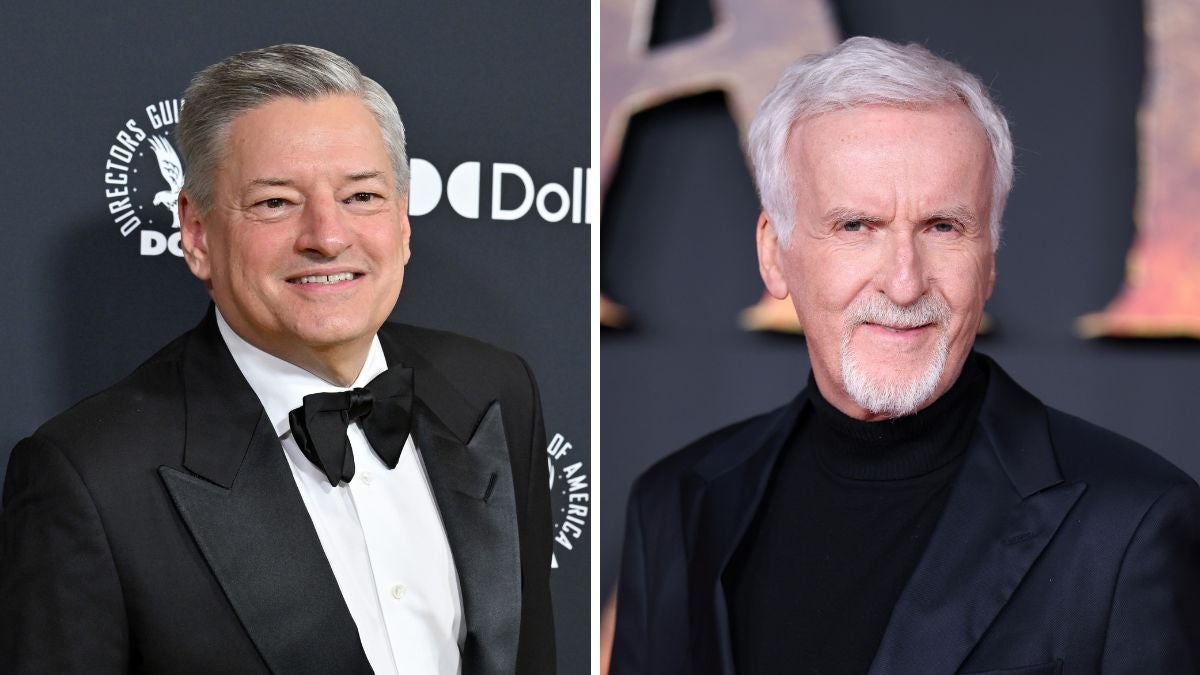
Netflix CEO Ted Sarandos has publicly criticized acclaimed filmmaker James Cameron for his opposition to the potential Netflix-Warner Bros. Discovery merger, accusing the director of participating in what he calls a “disinformation campaign” orchestrated by Paramount.
In a Fox Business interview, Sarandos expressed his disappointment with Cameron’s stance, stating, “I am particularly surprised and disappointed that James chose to be part of the Paramount disinformation campaign that’s been going on for months about this deal.”
The Netflix executive’s comments come in response to a strongly worded letter Cameron sent to Senator Mike Lee of Utah, who chairs the Senate subcommittee on antitrust, competitive policy, and consumer rights. In his letter, the “Avatar” and “Titanic” director warned that a Netflix-WBD merger would turn the theatrical movie industry into a “sinking ship.”
“I believe strongly that the proposed sale of Warner Brothers Discovery to Netflix will be disastrous for the theatrical motion picture business that I have dedicated my life’s work to,” Cameron wrote. “Of course, my films all play in the downstream video markets as well, but my first love is the cinema.”
Sarandos disputed specific claims in Cameron’s letter, particularly regarding theatrical release windows. According to the Netflix CEO, Cameron incorrectly stated that Sarandos had pledged to only a 17-day theatrical window for Warner Bros. films, rather than the 45 days he claims to have promised.
“I have never even uttered the words ’17-day window,’ so I don’t know where it came from, or why he would be part of that machine,” Sarandos said. He added that he had previously met with Cameron and discussed Netflix’s commitment to providing Warner Bros. titles with exclusive theatrical windows.
“I have talked about that commitment in the press, countless times,” Sarandos emphasized. “I swore under oath in front of the Senate subcommittee on antitrust that that’s what we were doing.”
The dispute highlights growing tensions in Hollywood over the proposed merger, which would combine one of the world’s largest streaming platforms with a storied traditional studio. Industry observers note that such consolidation could significantly reshape the entertainment landscape, potentially giving Netflix unprecedented control over both streaming and theatrical distribution channels.
Cameron’s intervention is particularly significant given his status as one of the industry’s most commercially successful filmmakers. His blockbusters, including “Avatar” and its sequel, have generated billions at the global box office and have been strong advocates for the theatrical experience.
In his Fox Business appearance, Sarandos also highlighted Netflix’s growing investment in U.S.-based production, noting that the company recently moved seven projects initially set to film overseas to New Jersey, where the streamer is developing a production facility. He mentioned that Netflix currently has 11 films in production in the state.
“People forget, this is a gigantic business. It isn’t just the production, but it’s also the hospitality industry, the transportation industry, the catering, all the different things, dry cleaners, all those American businesses that support production all around the country,” Sarandos said. “We’re going to film a lot in New Jersey.”
This investment argument appears designed to counter criticism that the merger could lead to industry consolidation and job losses. Sarandos noted that he had responded to Senator Lee’s inquiries about the merger earlier that day.
The public disagreement between Sarandos and Cameron underscores the high stakes surrounding the proposed merger, with major industry figures taking increasingly vocal positions as regulatory scrutiny continues. The outcome will likely have profound implications for how films are produced, distributed, and exhibited in the years to come.
Fact Checker
Verify the accuracy of this article using The Disinformation Commission analysis and real-time sources.

6 Comments
Sarandos’ claim that Cameron is part of a ‘Paramount disinformation campaign’ raises some red flags for me. I’d want to see clear evidence before accepting such a serious allegation. These industry disputes can get messy, and it’s important to get the facts straight.
As a long-time filmmaker, Cameron’s perspective on the potential merger’s impact on the theatrical experience is certainly worth listening to. I can understand Sarandos’ concerns, but dismissing Cameron’s views as ‘disinformation’ seems like a strong accusation without clear evidence.
Agreed. It would be helpful to understand the specific concerns Cameron has raised rather than just labeling them as ‘disinformation.’ Both sides should make their case transparently.
This seems like an escalating war of words between industry titans. While I can see valid arguments on both sides, resorting to accusations of ‘disinformation’ is unlikely to resolve the underlying issues. A more constructive dialogue would be in everyone’s best interests.
As an investor in mining and energy companies, I’m curious to see how this battle between Netflix and the traditional film industry plays out. The outcome could have broader implications for the entertainment landscape and the future of theatrical distribution.
Interesting perspective from Netflix CEO Sarandos. It seems he is accusing James Cameron of being part of a ‘disinformation campaign’ by Paramount. I wonder what Cameron’s motivation could be to criticize the Netflix-WBD merger if it’s not based on genuine concerns for the theatrical movie industry.