


Listen to the article
Government officials on Thursday urged communication officers across Metro Manila to take a more aggressive stance against disinformation campaigns allegedly perpetrated by communist groups, highlighting the capital region’s strategic importance in the nation’s counter-insurgency efforts.
National Task Force to End Local Communist Armed Conflict (NTF-ELCAC) Executive Director Ernesto Torres Jr. described the National Capital Region as a “primary target” for propaganda operations by communist terrorist groups, particularly through digital platforms and social media.
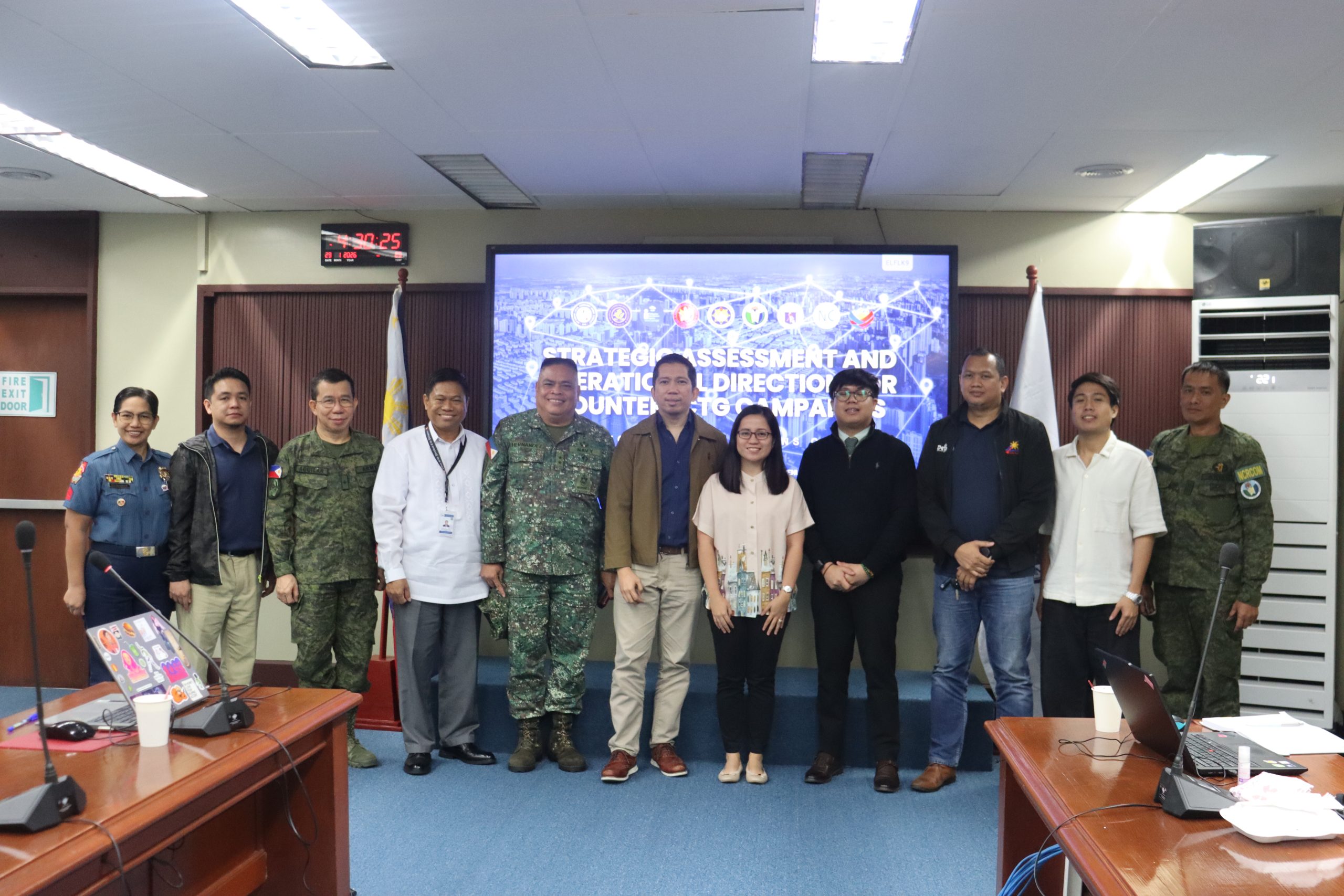
“In this perspective, the Strategic Communication Cluster is not merely a support mechanism. It is a strategic force multiplier,” Torres said through Strategic Communication Director Rodrigo Lutao during a joint regional task force meeting led by the Philippine Information Agency (PIA) NCR.
The meeting brought together government communication officers from across Metro Manila to align messaging strategies as part of the administration’s broader campaign against communist insurgency, which remains one of the world’s longest-running communist rebellions despite significant weakening in recent years.
Torres emphasized that the capital region, serving as the Philippines’ political, economic, and information hub, plays a pivotal role in the government’s nationwide campaign for unity, peace, and development. He urged communication officials to counter what he described as “misinformation, disinformation, and malinformation” with “truthful and compelling narratives.”
The initiative aligns with the National Action Plan on Unity, Peace and Development (NAP-UPD) 2025-2030, a government roadmap that aims to address the root causes of armed conflict while implementing a comprehensive approach to national security.
Torres outlined three key strategic communication priorities: unifying regional peace constituencies through consistent messaging, building narratives that showcase government program achievements, and intensifying digital engagement with youth through partnerships with educational institutions.
Security analysts note that while the Communist Party of the Philippines (CPP) and its armed wing, the New People’s Army (NPA), have been significantly weakened militarily in recent years, the government remains concerned about their influence operations in urban centers, particularly among student populations and marginalized communities.
The NTF-ELCAC, created under Executive Order No. 70 signed by former President Rodrigo Duterte in 2018, has been a controversial mechanism in the government’s counter-insurgency campaign. Human rights organizations have previously raised concerns about the task force’s approach, claiming it has enabled red-tagging of activists, journalists, and government critics.
Torres referenced what he called “white area operations” – a term used in counter-insurgency to describe non-combat activities in civilian areas – suggesting the campaign is entering a new phase focused on preventing recruitment and ideological influence rather than armed confrontation.
PIA-NCR chief Emver P. Cortez echoed the importance of the initiative, stating that the Presidential Communications Office has directed agencies to move beyond simple information dissemination toward actively developing critical thinking skills among citizens.
The government’s enhanced focus on information operations comes amid broader concerns about disinformation in Philippine society, with the country consistently ranking among the world’s highest in social media usage and vulnerability to online misinformation campaigns.
Communication experts point out that the Philippines faces complex information security challenges beyond insurgency-related concerns, including foreign influence operations, political polarization, and the rapid spread of conspiracy theories through social media platforms.
The meeting represented part of ongoing efforts to coordinate government messaging across agencies as the administration continues its whole-of-nation approach to addressing insurgency, with an increasing emphasis on information campaigns rather than traditional military operations.
Fact Checker
Verify the accuracy of this article using The Disinformation Commission analysis and real-time sources.

10 Comments
This seems like a complex issue with significant political undertones. While combating disinformation is important, I hope the government’s approach focuses on facts, impartiality, and upholding democratic principles rather than heavy-handed tactics. Thoughtful, nuanced communication will be key.
Well said. Maintaining a steadfast commitment to truth, transparency, and democratic values should be the guiding principles here. Anything less risks undermining public trust and exacerbating divisions.
The claim of communist groups perpetrating disinformation campaigns is noteworthy. However, I’d want to see robust evidence before fully accepting that narrative. Objective analysis of the information landscape and source credibility would be important to validate such assertions.
Agreed, it’s critical to approach these claims with a discerning eye and demand rigorous, fact-based analysis before drawing conclusions. Transparency around the evidence will be crucial for building public trust.
Protecting the capital region from propaganda operations is understandable, given its strategic importance. However, I hope the government’s approach doesn’t veer into heavy-handed censorship or overly aggressive crackdowns on dissent, which could backfire. Nuance and balance will be crucial.
I agree, maintaining the right balance between security and civil liberties will be a delicate challenge. Careful implementation and close monitoring of these efforts will be essential.
The Philippines’ counter-insurgency efforts seem to be a long-standing challenge. Curious to see how the communication strategies evolve to address the disinformation threat, especially on digital platforms. Transparency and credibility will be key for the government’s messaging.
You raise a good point. Building public trust through open and fact-based communication will be vital for the success of these counter-disinformation initiatives.
Interesting that the NCR is being identified as a key battleground against disinformation. It makes sense that the capital region would be a strategic focus for counter-propaganda efforts. I wonder what specific tactics the government plans to employ to combat these alleged communist-led campaigns.
Unified messaging across government communication officers could be an effective approach. Aligning strategies and coordinating responses will be crucial to countering disinformation effectively.