


Listen to the article
Russian state-backed “fact-checking” forum promotes Kremlin narratives under guise of fighting disinformation
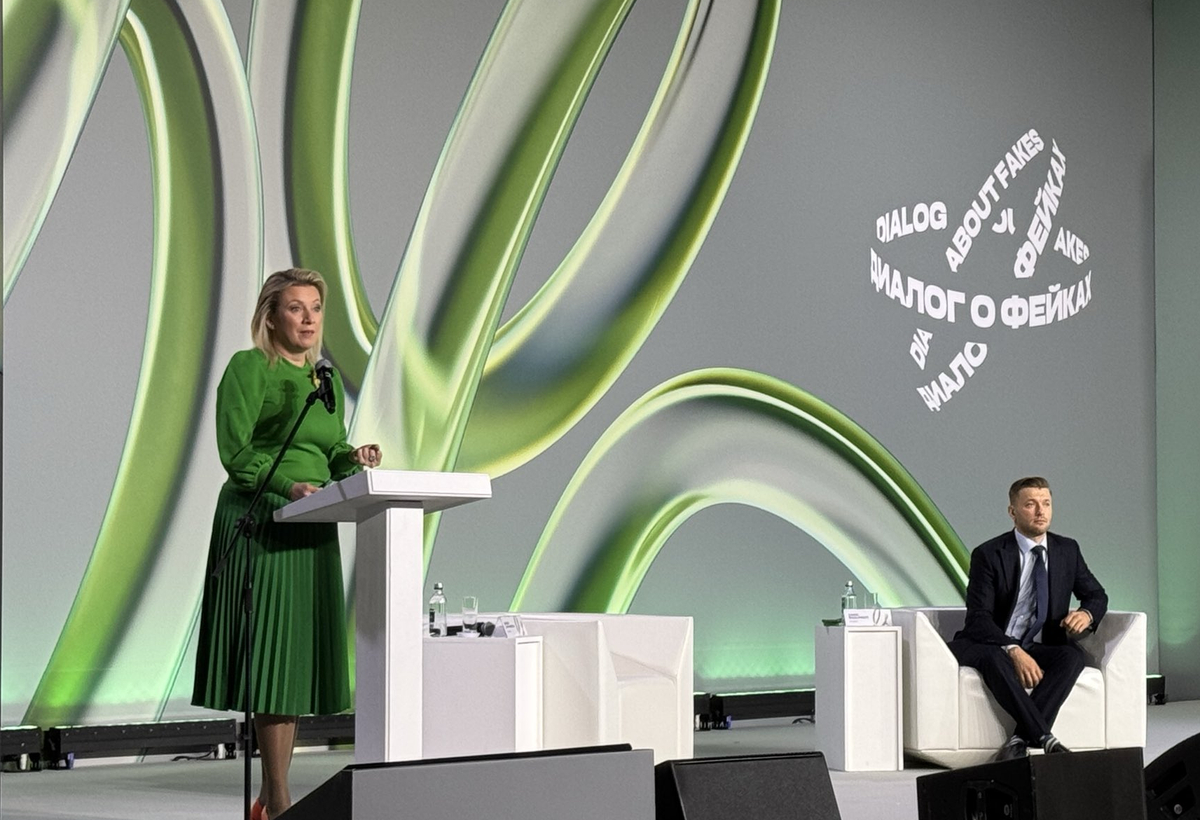
Russia launched the third iteration of its “Dialogue on Fakes International Forum” in Moscow on Wednesday, an event organized by the Kremlin-aligned International Association for Fact-Checking (IAFC). This organization serves as Russia’s alternative to the globally respected International Fact-Checking Network (IFCN), which has been actively combating Russian disinformation for nearly a decade.
Vladimir Tabak, director general of ANO Dialog and IAFC president, opened the forum, claiming representatives from more than 80 countries were in attendance. Tabak stated that their “global task is to protect millions and billions of people from the disinformation they receive, and which affects their lives every day.”
However, the legitimacy of the event is questionable. ANO Dialog, created by the Moscow Department of Information and Technology, maintains close ties to the Kremlin and currently faces international sanctions. The organization has been penalized by the European Union, United Kingdom, United States, Australia, and France for “the dissemination of online propaganda which materially supports Russia’s actions in the illegally annexed territories of Ukraine which undermine and threaten the country’s territorial integrity, sovereignty and independence.”
The forum featured presentations and panel discussions on various topics, though observers noted the content was heavily skewed to portray Moscow and its allies as victims of Western disinformation campaigns. Sessions included “The global geography of fake news,” chaired by Timur Shafir, Secretary of Russia’s Union of Journalists, with speakers from ANO Dialog and RT International, a Russian state-controlled media outlet.
Another panel titled “The media world after the war” purported to address overcoming propaganda tools to “build a more resilient information space capable of resisting manipulation in the future.” This session was also led by representatives from ANO Dialog and RT, organizations that Western governments have identified as key vehicles for Russian state propaganda.
Russian Foreign Ministry spokesperson Maria Zakharova delivered one of the event’s keynote addresses, titled “#Antifake: Truth Always Wins.” In her presentation, Zakharova claimed to expose her ministry’s ongoing efforts to counter allegedly false anti-Russian narratives from Western sources. She asserted that Russian-US dialogue is frequently undermined by Western misinformation, information leaks, and anonymous sources on social media platforms, where “pseudo-sources turned quotes into slogans” for the benefit of “certain parts of the global elite.”
Supporting Zakharova’s position, Russian state news agency TASS published an interview with Christopher Helali, whom they described as an “independent US journalist, human rights activist and US Communist Party member.” Helali accused Washington of employing “misinformation and historical revisionism” since the Soviet era to portray Russia as an aggressive state seeking territorial expansion.
Helali further dismissed as “fake news” Western reports that Russian forces are targeting civilians and civilian infrastructure in Ukraine. He characterized such accusations as having “absolutely nothing to do with reality,” insisting that Moscow is “delivering strikes on military infrastructure for military purposes” only – a claim that contradicts extensive documentation by international organizations and independent journalists.
The irony of a forum ostensibly dedicated to combating “fake news” serving as a platform for promoting pro-Kremlin narratives wasn’t lost on outside observers. Rather than fostering genuine discussion about misinformation, the event appeared primarily designed to reinforce Russian government talking points about Western “perfidy” to an audience already receptive to Moscow’s perspective on global affairs.
This forum represents just one element of Russia’s broader information strategy, which includes creating alternative institutions that mimic established international bodies while promoting narratives that align with Kremlin foreign policy objectives, particularly regarding the ongoing war in Ukraine.
Fact Checker
Verify the accuracy of this article using The Disinformation Commission analysis and real-time sources.

8 Comments
This forum seems like a cynical attempt to whitewash Russia’s own disinformation campaigns. Aligning it with the Moscow government severely undermines its credibility and trustworthiness on tackling online misinformation.
I’m curious to know more about the specific speakers, agenda, and funding sources for this ‘Dialogue on Fakes’ event. Transparency is crucial when it comes to initiatives that claim to combat fake news, especially those with Kremlin links.
Agreed, the lack of independent oversight and the clear Kremlin ties are major red flags. Any claims of fighting disinformation from this forum should be met with a healthy dose of skepticism.
While tackling online misinformation is important, it’s concerning to see a Kremlin-backed organization positioning itself as an alternative to respected fact-checking networks. I worry this is just another tool for Russian propaganda.
Absolutely, the Kremlin’s track record on media manipulation and information warfare is well-documented. Any initiatives they’re involved with should be viewed with a critical eye.
It’s troubling to see Russia trying to undermine global fact-checking efforts with this ‘Dialogue on Fakes’ forum. As long as it maintains close ties to the Kremlin, I have little faith in its ability to address disinformation objectively.
This ‘Dialogue on Fakes’ forum seems like yet another attempt by the Kremlin to spread its own narratives and distract from Russia’s disinformation efforts. Its ties to the Moscow government raise serious concerns about its legitimacy and motives.
While the goal of fighting online misinformation is laudable, this ‘Dialogue on Fakes’ event seems to be more about promoting Kremlin narratives than genuine fact-checking. I’d be cautious about taking anything it says at face value.