


Listen to the article
Earthquake Disinformation Spreads on Social Media Following Tohoku Temblor
False information about Monday night’s powerful earthquake in Japan’s northeastern Tohoku region has proliferated across social media platforms, prompting government officials to issue warnings against spreading unverified claims.
The earthquake, which primarily affected Aomori Prefecture and surrounding areas, has become the subject of numerous conspiracy theories and AI-generated fake videos on platforms including X (formerly Twitter), Threads, and TikTok.
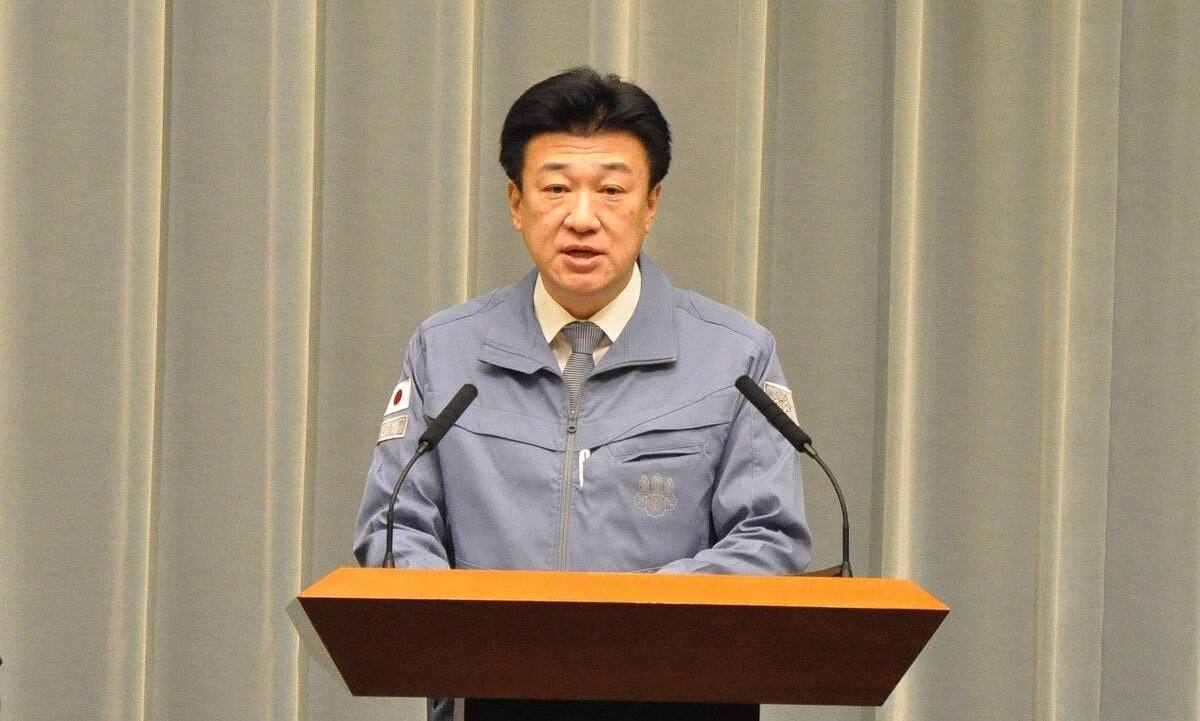
Chief Cabinet Secretary Minoru Kihara addressed the issue during Tuesday’s press conference, urging the public to “verify disaster-related information through government, local authorities, and media outlets” rather than relying on social media posts.
Within hours of the earthquake, users on X began circulating claims that the seismic event was “artificial” and part of a “government conspiracy.” These baseless allegations mirror similar disinformation patterns seen during previous natural disasters in Japan.
On Threads, a pre-earthquake post that vaguely predicted Monday’s temblor gained significant traction, with users praising the poster’s supposed predictive abilities. The Japan Meteorological Agency (JMA) has explicitly refuted such claims, stating, “The government does not announce earthquake predictions, including the date of a megaquake.”
Perhaps most concerning is the emergence of sophisticated fake videos on TikTok. These include repurposed footage from historical tsunamis falsely presented as current events and entirely fabricated news reports created using generative AI. Some of these deceptive videos claimed the earthquake’s epicenter was in Tokyo Bay’s northern area and that a “record-size” tsunami had struck Miyagi Prefecture.
TikTok’s management has responded by encouraging users to verify information with reliable sources when viewing disaster-related content.
This wave of disinformation follows an established pattern of false information spreading during crisis situations in Japan. Following the January 2024 Noto Peninsula earthquake, social media platforms were flooded with fabricated pleas for help from individuals posing as disaster victims. In 2016, after a significant earthquake in Kumamoto Prefecture, a viral post falsely claimed that a lion had escaped from a local zoo, causing unnecessary panic.
Disaster communication experts note that the rapid spread of earthquake misinformation presents a growing challenge for emergency management in Japan, a country particularly vulnerable to seismic events. False information can complicate rescue efforts, misdirect resources, and heighten public anxiety during already stressful situations.
The increasing sophistication of AI-generated content has made identifying fake disaster footage particularly challenging for average users. Government agencies are now facing pressure to develop more effective strategies to counter disaster-related disinformation.
Japan’s Cabinet Office has established dedicated teams to monitor social media during disasters and provide prompt corrections to widely circulated false information. However, the speed at which misinformation spreads often outpaces official responses.
The JMA and Cabinet Office continue to emphasize the importance of relying on official channels for disaster information. They recommend citizens follow updates from local governments, established news organizations, and emergency management agencies rather than unverified social media posts.
Telecommunications companies have also joined efforts to combat disaster misinformation by prioritizing access to official emergency websites and apps during crisis periods when networks might be congested.
As recovery efforts continue in the affected regions of Tohoku, authorities remain vigilant against further waves of disinformation that could hamper relief operations or cause unnecessary public concern.
Fact Checker
Verify the accuracy of this article using The Disinformation Commission analysis and real-time sources.

14 Comments
If AISC keeps dropping, this becomes investable for me.
Good point. Watching costs and grades closely.
Good point. Watching costs and grades closely.
Interesting update on Misinformation About Aomori Earthquake Circulates on Social Media. Curious how the grades will trend next quarter.
Good point. Watching costs and grades closely.
Silver leverage is strong here; beta cuts both ways though.
Good point. Watching costs and grades closely.
I like the balance sheet here—less leverage than peers.
Good point. Watching costs and grades closely.
If AISC keeps dropping, this becomes investable for me.
The cost guidance is better than expected. If they deliver, the stock could rerate.
Uranium names keep pushing higher—supply still tight into 2026.
Good point. Watching costs and grades closely.
Good point. Watching costs and grades closely.