


Listen to the article
London Mayor Sadiq Khan has issued a stark warning about the rising tide of false information circulating on social media platforms, describing it as a “disinformation blizzard” that threatens to undermine public trust and democratic processes in the capital.
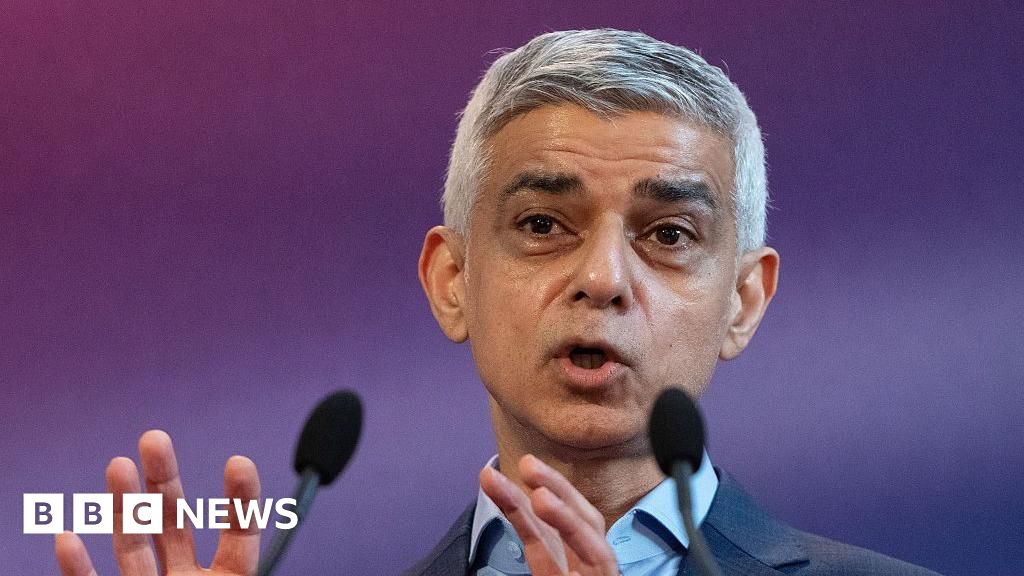
Speaking at a technology forum in central London yesterday, Khan highlighted how misinformation has proliferated across platforms like X (formerly Twitter), Facebook, and TikTok, particularly around contentious issues such as immigration, public safety, and local governance.
“What we’re seeing is not merely the occasional falsehood or exaggeration, but a systematic flood of disinformation targeting Londoners,” Khan said. “This blizzard of false claims is designed to sow division, stoke fear, and erode trust in our institutions.”
The mayor’s comments come amid growing concern about the role social media plays in amplifying false narratives. Recent analysis by City Hall researchers identified over 5,000 misleading posts about London policies that gained significant traction in the past three months alone, with many containing demonstrably false statistics or manipulated images.
Khan pointed to several recent examples, including fabricated crime statistics that exaggerated violence in certain London boroughs and digitally altered images purporting to show environmental damage from city infrastructure projects. Many such posts received thousands of shares before fact-checkers could intervene.
Tech policy expert Dr. Amelia Richardson from King’s College London explained that London faces unique challenges in combating online misinformation. “As a global city and political center, London is particularly vulnerable to targeted disinformation campaigns, both from domestic and international sources,” Richardson told the BBC.
The mayor announced a new digital literacy initiative in partnership with major social media companies that aims to help Londoners better identify false information. The program will include educational resources for schools and community groups, alongside a public awareness campaign scheduled to launch next month.
“We must equip Londoners with the tools to navigate this complex information landscape,” Khan said. “Digital literacy is now as essential as traditional literacy in our connected world.”
Representatives from Meta, Google, and TikTok attended the forum and committed to enhancing their fact-checking processes for content related to London governance and policies. However, critics note that similar promises from tech companies have yielded mixed results in the past.
Opposition members on the London Assembly have questioned the timing of Khan’s focus on disinformation, suggesting it may be politically motivated with local elections approaching. Conservative Assembly Member Peter Harrington responded: “While misinformation is certainly concerning, the mayor would do better focusing on tangible issues like housing affordability and transport reliability that affect Londoners daily.”
Media watchdog groups have welcomed Khan’s intervention but called for more substantive regulatory frameworks. Olivia Trent from the Centre for Digital Accountability said: “Public awareness campaigns are necessary but insufficient. We need robust regulatory oversight with real consequences for platforms that repeatedly amplify harmful falsehoods.”
The issue extends beyond London, reflecting a global challenge for urban centers. Similar initiatives have been launched in cities including New York, Paris, and Berlin, where local governments face comparable challenges with targeted misinformation campaigns.
Khan emphasized that the initiative is not about censorship but transparency. “This is not about controlling what people say, but ensuring that demonstrable falsehoods aren’t artificially amplified to millions through algorithmic promotion,” he clarified.
The mayor concluded by calling on central government to strengthen provisions in the Online Safety Bill to specifically address politically motivated disinformation at the local government level.
As social media platforms continue to evolve and artificial intelligence makes detecting manipulated content more difficult, London’s approach to tackling this “disinformation blizzard” may serve as a test case for other major cities grappling with similar challenges in maintaining informed civic discourse.
Fact Checker
Verify the accuracy of this article using The Disinformation Commission analysis and real-time sources.

8 Comments
This is a concerning development. Social media has indeed become a breeding ground for disinformation, especially around sensitive topics like governance and public policy. Vigilance is needed to combat the spread of false narratives and maintain public trust.
Agreed. Platforms must do more to moderate content and curb the dissemination of misinformation. Fact-checking initiatives are also crucial to counter these trends.
This is a concerning trend that goes beyond just London. Tackling the root causes of disinformation, such as lack of digital media literacy and polarization, will be key to addressing the problem more holistically.
While the proliferation of misinformation on social media is troubling, I’m curious to know more about the specific tactics and actors behind this ‘disinformation blizzard’ in London. What are the key narratives being pushed, and who stands to gain from sowing this kind of division?
Disinformation on social media is a global challenge, and it’s good to see local leaders like the London mayor taking proactive steps to address it. Transparency and public engagement will be crucial in these efforts.
Absolutely. Building public trust and empowering citizens with the tools to navigate the online information landscape will be critical to the success of any anti-disinformation strategy.
It’s reassuring to see the mayor taking this issue seriously and calling it out. Disinformation can have serious consequences for public discourse and decision-making. I hope London’s efforts to combat this challenge serve as a model for other cities grappling with similar problems.
Agreed, this is an important step. I wonder what specific measures the city is exploring to bolster digital literacy and empower citizens to discern fact from fiction online.