


Listen to the article
In a strong call to action yesterday, President Ferdinand Marcos Jr. challenged Philippine media to serve as the nation’s bulwark against the rising tide of misinformation, particularly as global conflicts intensify.
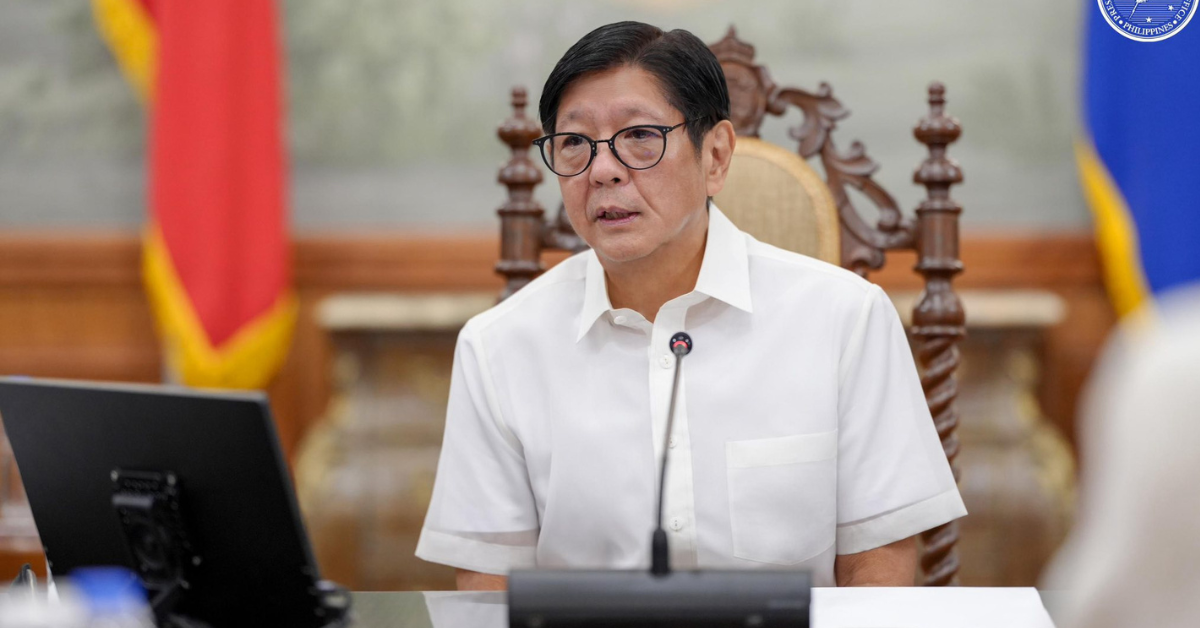
Speaking at Malacañang during the oath-taking ceremony for newly elected officers of the Kapisanan ng mga Brodkaster ng Pilipinas (KBP), the country’s premier broadcasting association, Marcos emphasized that journalists must act as “bearers of truth” in an era where distinguishing fact from fiction has become increasingly difficult.
“In these uncertain times, with conflicts raging in the Middle East and other parts of the world, accurate information is not merely desirable—it’s essential,” Marcos told the gathering of media professionals. “The government relies on you to help citizens understand both global developments and our local responses to these crises.”
The President’s remarks come amid growing concerns about the proliferation of fake news on social media platforms, which has complicated public understanding of complex geopolitical events. Media analysts have noted that disinformation campaigns have particularly targeted coverage of the ongoing Middle East conflicts, creating confusion among news consumers worldwide.
Marcos acknowledged the perilous environment in which Philippine journalists operate, noting the country’s troubling position in the 2025 World Press Freedom Index. International press freedom watchdogs have consistently ranked the Philippines among the most dangerous countries for media practitioners, with numerous unsolved killings of journalists over the past decades.
“We recognize the complex and challenging landscape you navigate daily,” Marcos said. “The risks you face in pursuing truth are significant, and my administration is committed to ensuring your safety and welfare.”
The President outlined several government initiatives aimed at combating disinformation while supporting legitimate journalism. These include new partnerships between government agencies and private platforms to strengthen content verification systems and implement more robust safeguards against false information.
Media industry observers have cautiously welcomed these efforts, though some press freedom advocates remain concerned about potential overreach in regulation. The KBP, representing over 120 broadcasting companies nationwide, has previously supported self-regulation measures while resisting excessive government intervention in content decisions.
In his address, Marcos also highlighted his administration’s broader transparency agenda, including the proposed Right to Information Act, which would strengthen public access to government records and data. The legislation, currently pending in Congress, would complement existing freedom of information policies and potentially create stronger legal protections for investigative journalism.
“We are also implementing digital monitoring systems for public projects,” Marcos added, “making it easier for journalists and citizens alike to track government spending and hold officials accountable.”
The Philippines has struggled with transparency issues for decades, with Transparency International consistently rating the country poorly in its annual corruption perception index. Media organizations have long advocated for stronger access to information laws to facilitate more effective reporting on public affairs.
KBP President Herman Basbaño, who led the oath-taking ceremony, expressed the organization’s commitment to upholding journalistic standards while adapting to the digital age. “Broadcasters face unprecedented challenges in this era of social media, but our commitment to truth remains unwavering,” Basbaño said.
The meeting between Marcos and the broadcasting industry leaders comes at a critical time for Philippine media, which has faced economic pressures from digital disruption alongside political challenges. Several major news organizations have downsized operations in recent years, while others have sought new business models to sustain their journalism.
Despite these challenges, Marcos expressed optimism about the future of Philippine democracy, provided that media practitioners remain committed to their watchdog role. “By ensuring access to accurate information and encouraging responsible journalism,” he concluded, “we strengthen the foundations of our democratic society.”
Fact Checker
Verify the accuracy of this article using The Disinformation Commission analysis and real-time sources.

17 Comments
Silver leverage is strong here; beta cuts both ways though.
Good point. Watching costs and grades closely.
Good point. Watching costs and grades closely.
Interesting update on Marcos Calls on Media to Combat Disinformation Amid Rising Global Tensions. Curious how the grades will trend next quarter.
Good point. Watching costs and grades closely.
Good point. Watching costs and grades closely.
If AISC keeps dropping, this becomes investable for me.
Good point. Watching costs and grades closely.
Good point. Watching costs and grades closely.
Production mix shifting toward Disinformation might help margins if metals stay firm.
Good point. Watching costs and grades closely.
Silver leverage is strong here; beta cuts both ways though.
Good point. Watching costs and grades closely.
Good point. Watching costs and grades closely.
The cost guidance is better than expected. If they deliver, the stock could rerate.
Production mix shifting toward Disinformation might help margins if metals stay firm.
Good point. Watching costs and grades closely.