


Listen to the article
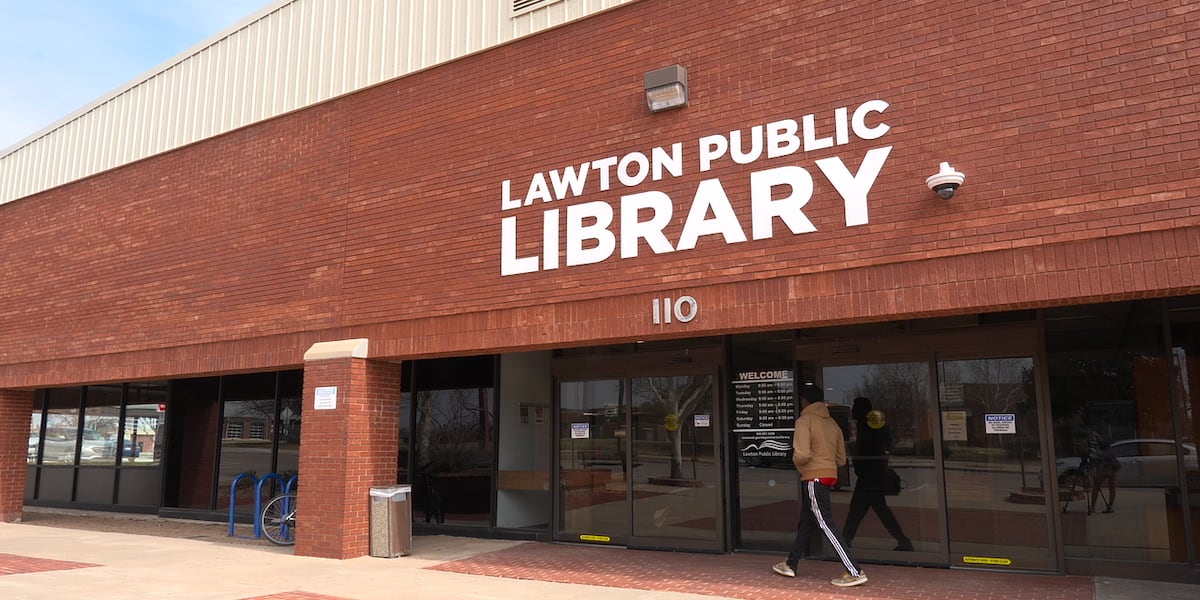
In a significant move to address growing digital literacy concerns, the Lawton Public Library announced it will host an educational webinar focused on artificial intelligence’s role in creating and disseminating disinformation. The event, scheduled for Thursday from 9-10 a.m., aims to equip community members with critical skills needed in today’s information landscape.
The in-person session at the main library comes at a crucial time when AI technologies are dramatically transforming how misleading content is produced and distributed online. Library officials emphasized that modern AI tools have significantly lowered the barriers for creating convincing fake content, presenting new challenges for information consumers.
“The technology has evolved so rapidly that distinguishing between authentic and fabricated material has become increasingly difficult for the average person,” said a library representative. “This workshop is designed to help our community navigate this complex digital environment.”
Experts have noted that AI-powered applications can now generate realistic text, manipulate images, create deepfake videos, and even mimic human voices with disturbing accuracy. These capabilities have raised serious concerns among information security specialists, journalists, and educators.
The webinar will explore two critical aspects of AI and misinformation: the mechanisms through which artificial intelligence facilitates the creation of false content, and practical strategies to identify manipulated or fabricated information. Participants will learn about common red flags and verification techniques that can help them evaluate online content more effectively.
This initiative reflects a growing trend among public libraries nationwide to expand their traditional literacy missions to include digital and information literacy. As trusted community institutions, libraries are increasingly positioning themselves as frontline defenders against misinformation.
The Lawton Public Library has been expanding its digital literacy programming over the past several years. This event builds on previous workshops covering topics like online privacy, secure internet browsing, and evaluating news sources.
“Libraries have always been about providing access to reliable information,” noted a library board member. “In the digital age, that mission includes helping people develop the skills to differentiate between credible and misleading content.”
The timing of the webinar coincides with increasing national attention to the challenges of AI-generated disinformation. Recent studies have shown that exposure to false information can significantly impact public opinion on critical issues, including health decisions, democratic processes, and community relations.
Oklahoma education officials have recently highlighted the importance of incorporating media literacy into educational curricula. The Lawton Public Library’s program aligns with these broader educational goals while making these critical skills accessible to the general public.
Community members of all technical backgrounds are encouraged to attend. Library staff emphasized that no prior knowledge of artificial intelligence is required, and the content will be presented in an accessible format suitable for adults of all ages.
For those unable to attend in person, the library is exploring options to make the content available in alternative formats following the event, though details have not yet been finalized.
The Lawton Public Library continues to serve as a vital community resource beyond traditional book lending. This latest initiative demonstrates its commitment to addressing contemporary challenges facing information consumers in the digital age.
Community members interested in attending the webinar are encouraged to arrive a few minutes early to secure seating at the main library location.
Fact Checker
Verify the accuracy of this article using The Disinformation Commission analysis and real-time sources.

13 Comments
This webinar is a timely and important effort to help the community navigate the complex digital landscape. As AI becomes more sophisticated, the need for digital literacy has never been greater.
The Lawton Public Library’s initiative to host a webinar on AI-generated disinformation is a laudable effort. As AI technologies become more powerful, the ability to discern fact from fiction will only become more challenging.
I’m glad to see the Lawton Public Library taking a proactive approach to this issue. AI-powered disinformation is a serious concern that requires education and awareness efforts.
Agreed. Libraries play an important role in fostering digital literacy and helping communities navigate the complexities of the modern information landscape.
This webinar is a much-needed step in addressing the growing threat of AI-powered disinformation. Equipping the community with the tools to navigate the digital landscape is crucial for maintaining a well-informed citizenry.
Absolutely. Empowering the public with digital literacy skills is essential in an era where AI can be used to create increasingly convincing and misleading content.
This webinar sounds like a valuable resource for the community to learn about the growing challenge of AI-generated disinformation. As AI capabilities advance, it’s crucial that people develop the skills to critically evaluate online content.
Absolutely. Equipping the public with digital literacy skills is key to combating the spread of misleading and fabricated information online.
It’s great that the library is taking steps to address this problem. Empowering the public with the necessary skills to identify AI-generated disinformation is a vital initiative.
Absolutely. Raising awareness and providing educational resources is crucial to building resilience against the growing threat of AI-powered misinformation.
I commend the Lawton Public Library for hosting this webinar on AI-generated disinformation. Educating the public on this issue is a critical step in combating the spread of misleading information online.
Agreed. Developing the skills to critically evaluate online content is essential in today’s information landscape, especially as AI capabilities continue to advance.
This webinar couldn’t come at a more crucial time. As AI continues to advance, the ability to distinguish authentic from fabricated content will only become more challenging for the average person.