


Listen to the article
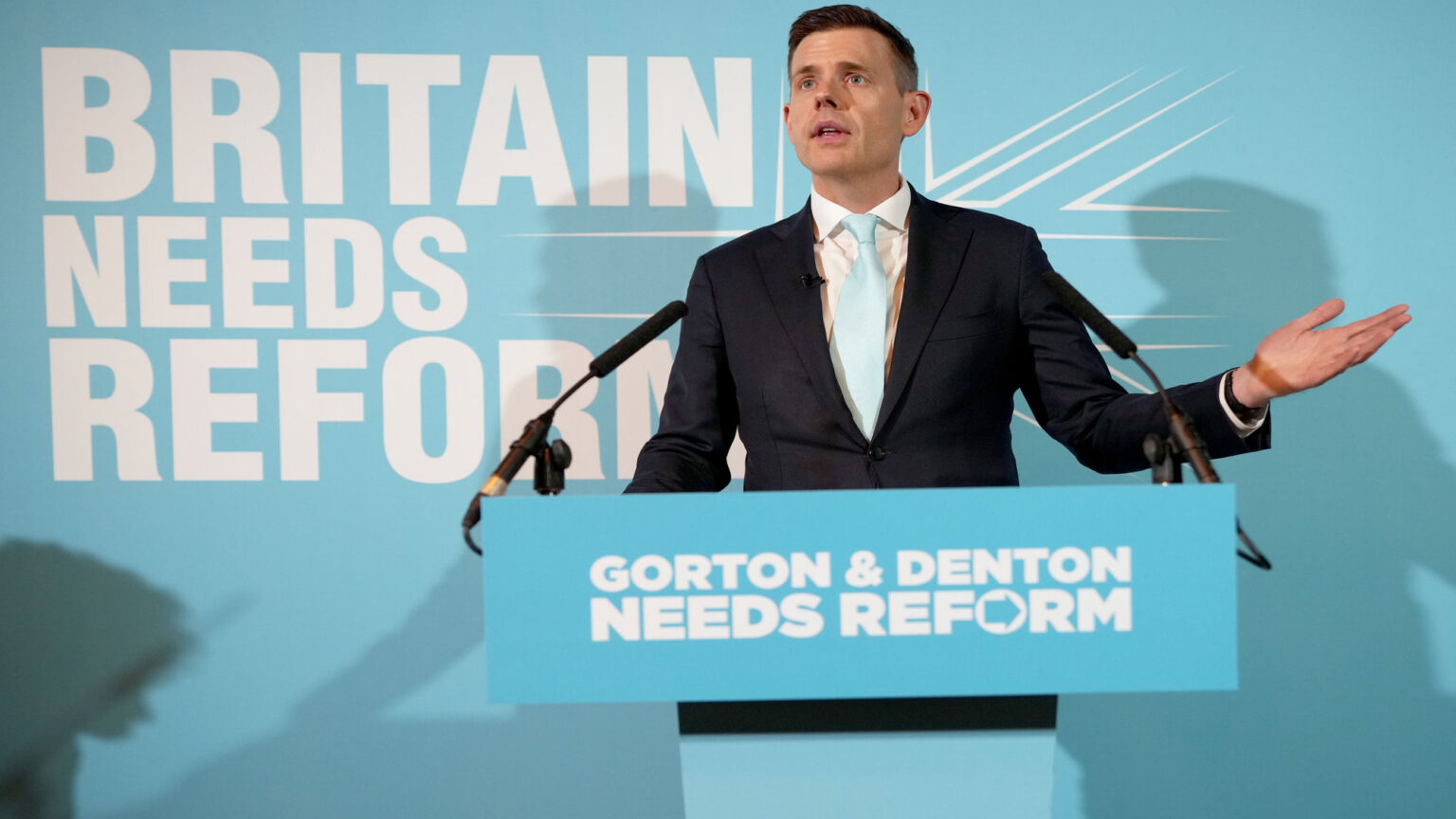
The controversial video clip featuring Labour MP Matt Goodwin that circulated widely across social media this week has been confirmed as a deliberate act of misinformation, according to multiple fact-checking organizations and party officials.
The doctored footage, which appeared to show Goodwin making inflammatory remarks about immigration policy, was deceptively edited from a longer parliamentary session where his comments were taken entirely out of context. Digital forensics experts have identified several cut points where the video was spliced to create a misleading narrative.
Labour Party communications director Rebecca Thompson called the incident “a textbook example of digital manipulation designed to sow division.” She added, “This kind of targeted disinformation represents a growing challenge to our democratic discourse, particularly as we approach election season.”
The original parliamentary session, which took place last Thursday during a debate on regional development initiatives, featured Goodwin speaking for approximately seven minutes about economic revitalization in post-industrial communities. The manipulated 40-second clip removed critical context and rearranged his statements to create controversy.
Media watchdog organizations were quick to flag the content, with Full Fact issuing an alert within hours of the clip going viral. Their analysis revealed that at least three separate statements had been combined to create a misleading impression of Goodwin’s position.
“The speed at which this misinformation spread is deeply concerning,” said Carl Miller, research director at the Centre for the Analysis of Social Media. “Within six hours, the manipulated clip had been viewed over two million times across platforms, while corrections and fact-checks struggled to reach even a fraction of that audience.”
The incident highlights the growing sophistication of political disinformation campaigns in the digital age. Unlike crude fakes that are easily identified, this manipulation used authentic footage deceptively edited to misrepresent the speaker’s intent – a technique known as “malinformation” that blends truth with falsehood.
Social media platforms have faced renewed criticism for their role in amplifying the content. While Twitter (now X) eventually applied a “manipulated media” label to the clip, critics argue this came too late to prevent widespread distribution.
Digital rights advocates are pointing to the incident as evidence that current platform policies are insufficient to combat sophisticated manipulation. “This is exactly the kind of harmful content that falls through the cracks of existing moderation systems,” said Julia Stoyanovich, director of the Center for Responsible AI at New York University. “It’s not entirely false, which makes it harder to detect, but it’s fundamentally dishonest in its presentation.”
The Labour Party has requested formal retractions from several media outlets that reported on the clip without verification, and is considering legal action against accounts that deliberately spread the manipulated content. Goodwin himself has issued a statement expressing concern about the incident’s impact on public trust.
“When my constituents can’t trust that the words attributed to me are actually mine, we’ve crossed a dangerous threshold,” Goodwin said during a press conference yesterday. “This isn’t just about me – it’s about preserving the integrity of our political conversations.”
The incident occurs amid growing concerns about the role of disinformation in democratic processes worldwide. A recent study from the Oxford Internet Institute found a 150% increase in organized disinformation campaigns targeting elected officials over the past two years, with sophisticated editing techniques becoming increasingly common.
Media literacy experts emphasize that consumers should approach viral political content with heightened skepticism, particularly clips that appear designed to provoke strong emotional reactions. “Always seek the original source and full context before forming judgments or sharing content,” advised Claire Wardle, co-founder of the Information Futures Lab at Brown University.
As election campaigns intensify across Europe and North America, analysts warn this incident likely represents just one example of what promises to be an unprecedented wave of manipulated media targeting political figures across the ideological spectrum.
Fact Checker
Verify the accuracy of this article using The Disinformation Commission analysis and real-time sources.

24 Comments
Interesting update on Labour Criticized for Matt Goodwin Clip Labeled as Disinformation. Curious how the grades will trend next quarter.
Good point. Watching costs and grades closely.
Good point. Watching costs and grades closely.
The cost guidance is better than expected. If they deliver, the stock could rerate.
Production mix shifting toward Disinformation might help margins if metals stay firm.
Good point. Watching costs and grades closely.
Good point. Watching costs and grades closely.
If AISC keeps dropping, this becomes investable for me.
The cost guidance is better than expected. If they deliver, the stock could rerate.
Uranium names keep pushing higher—supply still tight into 2026.
Uranium names keep pushing higher—supply still tight into 2026.
Good point. Watching costs and grades closely.
Uranium names keep pushing higher—supply still tight into 2026.
Uranium names keep pushing higher—supply still tight into 2026.
Silver leverage is strong here; beta cuts both ways though.
Good point. Watching costs and grades closely.
Good point. Watching costs and grades closely.
Exploration results look promising, but permitting will be the key risk.
Uranium names keep pushing higher—supply still tight into 2026.
Good point. Watching costs and grades closely.
Exploration results look promising, but permitting will be the key risk.
Good point. Watching costs and grades closely.
Production mix shifting toward Disinformation might help margins if metals stay firm.
Good point. Watching costs and grades closely.