


Listen to the article
Russian authorities are intensifying efforts to promote disinformation about alleged “Ukrainian Nazi crimes” through pseudo-scientific publications, according to Ukraine’s Center for Countering Disinformation (CCD).
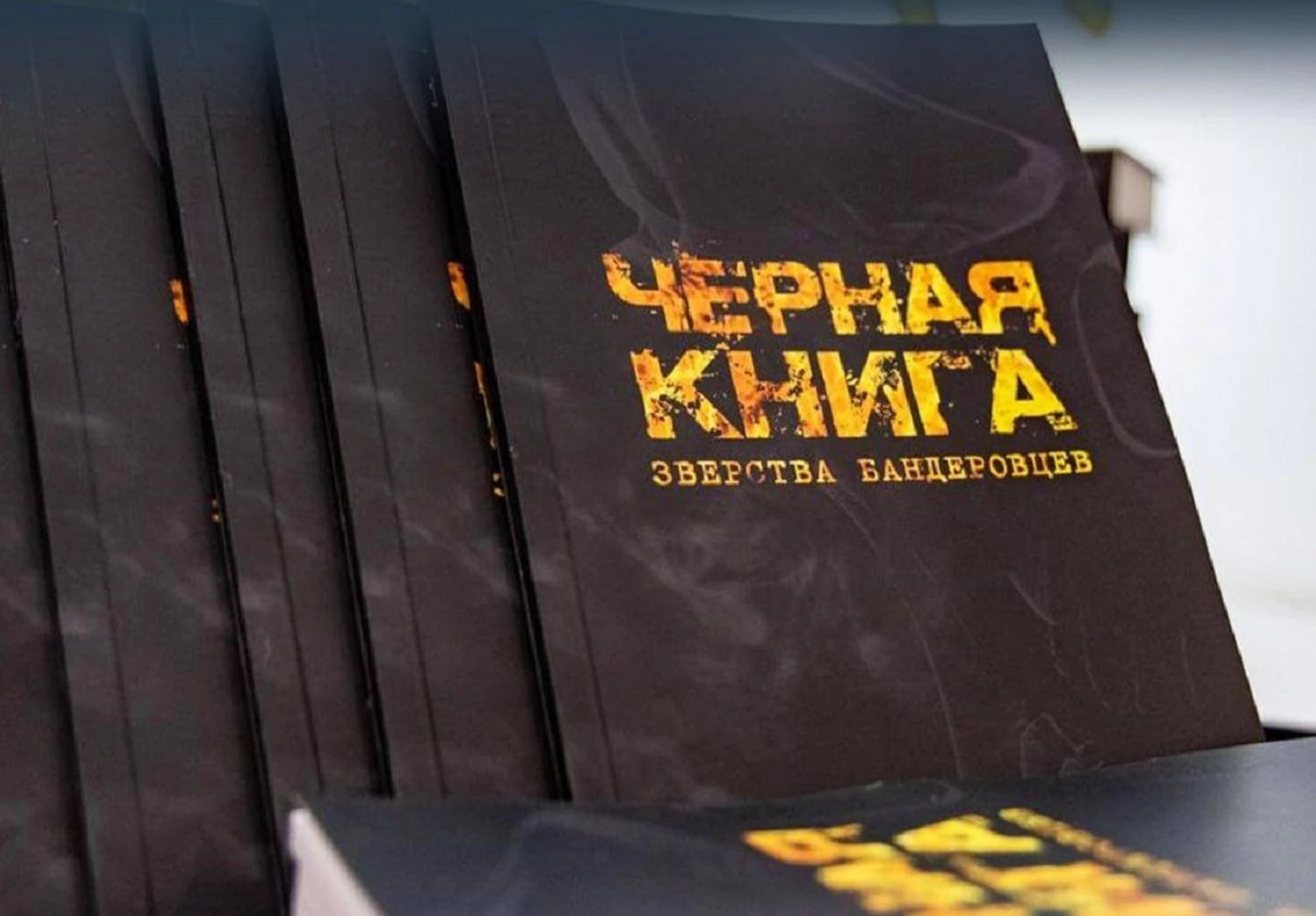
The CCD, operating under Ukraine’s National Security and Defense Council, reports that Russian media outlets are actively circulating a publication titled “black book on the crimes of Ukrainian neo-Nazis in Donbas,” produced by the Russian Military Historical Society. The document purports to contain evidence of abuses committed by “Ukrainian neo-Nazis” against the population of the Donbas region since 2014.
Ukrainian officials emphasize that the publication lacks objective evidence and instead recycles propaganda narratives that draw parallels between what they call “mythical Ukrainian neo-Nazis” and German Nazis from World War II. The CCD describes these materials as pseudo-scientific works designed to create an impression of thoroughly documented Ukrainian crimes.
“In fact, the authors of this ‘work’ do not provide any objective evidence, but instead repeat exclusively propaganda theses,” the CCD stated. “The purpose of such pseudo-scientific works, as well as the activities of the ‘tribunal on the crimes of Ukrainian neo-Nazis,’ is to create the appearance of ‘thorough evidence’ of Ukrainian crimes.”
This propaganda effort appears to be part of a broader strategy by Moscow to justify its military actions in Ukraine. By manufacturing unsubstantiated allegations about Ukrainian atrocities, the Kremlin aims to legitimize its invasion while diverting attention from documented Russian war crimes in occupied Ukrainian territories, according to the CCD.
Independent observers have long noted Russia’s use of the “denazification” narrative as a pretext for its invasion of Ukraine in February 2022. International human rights organizations have extensively documented Russian forces’ violations in occupied areas of Ukraine, including in Bucha, Irpin, Mariupol, and other locations, which stand in stark contrast to the unverified claims in Russian propaganda materials.
The deployment of academic and historical institutions in information warfare represents an evolution in Russia’s propaganda tactics. By leveraging seemingly credible institutions like the Russian Military Historical Society, authorities attempt to add legitimacy to narratives that lack factual foundation.
This approach extends beyond publications. The CCD also highlighted another propaganda initiative called “Pervoisstochnik” (Primary Source) targeting children in Russian-occupied Zaporizhzhia Oblast. The program delivers pseudo-historical lectures and workshops aimed at imposing Russian identity on Ukrainian children living under occupation.
Media literacy experts point out that such tactics are particularly concerning when directed at vulnerable populations like children or when they co-opt academic institutions to lend credibility to disinformation. The weaponization of historical narratives has been a consistent element in Russia’s information operations throughout the conflict.
The CCD also noted recent Russian efforts to use language teaching programs abroad as instruments for extending political influence and spreading propaganda, illustrating the multi-faceted approach to information warfare.
International organizations, including the United Nations and the Organization for Security and Cooperation in Europe, have repeatedly called for all parties to adhere to factual reporting and have condemned the use of disinformation in conflict zones. Digital forensics experts continue to analyze Russian propaganda materials to counter false narratives with verifiable evidence.
As the war continues well into its third year, the battle over information and historical narratives remains a critical dimension of the conflict, with both immediate implications for public opinion and long-term consequences for how the war will be remembered and understood.
Fact Checker
Verify the accuracy of this article using The Disinformation Commission analysis and real-time sources.

8 Comments
Propagandizing pseudo-scientific works to create an impression of documented crimes is a concerning tactic. I hope the international community remains vigilant in exposing and countering these efforts to distort the truth.
The Kremlin’s use of pseudo-scientific materials to bolster its propaganda narratives is troubling. It’s important to approach such claims with a critical eye and demand credible, verifiable evidence rather than recycled propaganda.
Agreed. Spreading disinformation, even under the guise of ‘research,’ is a dangerous tactic that undermines the truth. We must continue to call out these efforts and promote factual, impartial reporting.
This is an alarming example of how the Kremlin leverages scientific institutions to lend credibility to its false narratives. It’s crucial that we scrutinize such ‘evidence’ and ensure the public has access to reliable, unbiased information.
The Kremlin’s tactics of using pseudo-scientific works to create an impression of documented crimes is deeply concerning. We must remain vigilant in exposing and countering such disinformation efforts, and uphold the integrity of factual, evidence-based reporting.
This is a concerning report on the Kremlin’s efforts to spread disinformation through pseudo-scientific publications. It’s critical that we remain vigilant and fact-check claims, especially those involving sensitive topics like war crimes.
The Kremlin’s exploitation of scientific institutions to spread disinformation is a worrying trend. We must be vigilant in identifying and debunking such propaganda, and champion factual, impartial reporting on these sensitive issues.
This report highlights the Kremlin’s willingness to manipulate information and leverage scientific authority to support its narrative. It’s crucial that we maintain a critical eye and demand transparency and accountability from all sources, regardless of their claimed credibility.