


Listen to the article
Nigerian Students Learn to Combat Misinformation in CDD Training Initiative
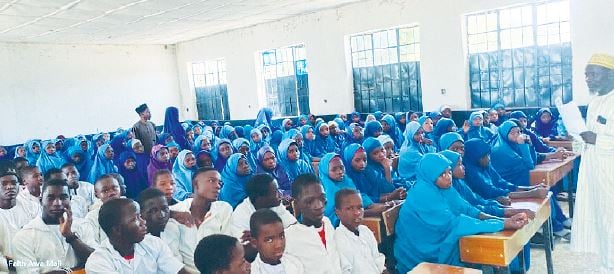
Secondary school students across Katsina State participated in specialized training aimed at combating misinformation, disinformation, and hate speech in a two-day workshop organized by the Centre for Democracy and Development West Africa.
The initiative, conducted under CDD’s Strengthening Information Literacy and Social Cohesion (StILASC) project, specifically targeted students who are highly active on social media platforms—a demographic increasingly vulnerable to misleading information.
“It was highly participatory and focused on issues of interest to the students,” said Mary Okpe, CDD Head of Programmes. She noted that the students’ understanding of these complex issues exceeded the organizers’ expectations, highlighting the growing digital literacy among Nigeria’s youth.
The training sessions took place across multiple educational institutions, including Government Secondary School in Daddara, Jibia, Community Day Secondary School in Wagini, Batsari, and Government Pilot Secondary School in Dutsinma local government areas.
The StILASC project, implemented as part of the broader SPRiNG Programme by Tetra Tech, provides essential capacity-building on fact-checking, verification techniques, and responsible information sharing. Its scope extends beyond Katsina to include Kaduna, Benue, and Plateau states, focusing on community leaders, local gatekeepers, and students.
Okpe emphasized the critical importance of these educational sessions in today’s information landscape. “Misinformation, disinformation, and hate speech often fuel communal tensions and weaken social cohesion,” she explained. “Community leaders, religious authorities, youth representatives, civil society actors, and students play key roles in shaping public narratives.”
The training introduced students to practical verification methods and responsible communication strategies. Participants learned to identify misleading content, verify information sources, and apply the STOP method—a structured approach to evaluate information before sharing it with others.
Nigeria’s northern states, including Katsina, have experienced significant security challenges and communal tensions in recent years. These issues are often exacerbated by the rapid spread of unverified information and inflammatory content on social media platforms. As smartphone penetration continues to increase across the country, particularly among young people, the need for digital literacy has become increasingly urgent.
Musa Lawal, principal of Government Secondary School in Daddara, Jibia LGA, described the training as highly successful. He highlighted the students’ growing understanding of how misinformation can negatively impact their communities and expressed confidence in their newfound commitment to more responsible information-sharing practices.
The timing of this initiative is particularly significant as Nigeria continues to navigate complex socio-political challenges. With election cycles often marked by heightened tensions and an increase in politically motivated misinformation, equipping young people with the tools to distinguish fact from fiction has become essential to maintaining peace and social cohesion.
Digital literacy initiatives like the CDD training represent a growing recognition among civil society organizations that addressing Nigeria’s challenges requires not just traditional security approaches but also building resilience against information disorders at the community level.
The StILASC project’s focus on students acknowledges their dual role as both consumers and disseminators of information within their communities. By targeting these young digital natives, the program aims to create a ripple effect whereby verified information and critical thinking skills spread organically through peer networks and family structures.
As social media platforms continue to evolve and new forms of manipulated content emerge, programs that build fundamental verification skills rather than simply identifying specific examples of fake news offer a more sustainable approach to combating misinformation in Nigeria’s diverse communities.
Fact Checker
Verify the accuracy of this article using The Disinformation Commission analysis and real-time sources.

10 Comments
It’s encouraging to see Nigeria taking proactive steps to address disinformation, especially through educational initiatives that target the country’s youth. Developing digital literacy is key.
Absolutely. Equipping the next generation with the critical thinking skills to identify and combat misinformation will have long-lasting benefits for Nigeria.
Interesting to see Nigerian students taking an active role in combating disinformation. Strengthening digital literacy and critical thinking skills is so important for youth in the digital age.
Agreed. Building awareness and equipping young people with the tools to spot and counter misinformation is a crucial initiative.
Combating the spread of false and misleading information is a global challenge, so it’s great to see Nigeria taking it seriously through programs like this one. Bravo to the CDD for their efforts.
Yes, the ability to discern truth from fiction online is a vital life skill for today’s youth. This training seems like a step in the right direction.
Kudos to the CDD for spearheading this initiative to educate Nigerian students on spotting and countering disinformation. Fostering digital literacy is crucial for the next generation.
Agreed. Empowering young people with the tools to think critically about online information will serve them well both now and in the future.
The CDD’s training program sounds like a great way to empower students and help them navigate the complex online information landscape. Kudos to the organizers for targeting this vulnerable demographic.
Yes, focusing on students who are heavy social media users is a smart approach. Giving them the skills to discern fact from fiction will serve them well.