


Listen to the article
Slovenian Elections Could Reshape Regional Alliances as Far-Right Influence Grows
Slovenia heads to the polls this Sunday in a parliamentary election that could significantly alter the country’s political trajectory and strengthen a growing sovereigntist bloc in Central Europe. The contest for the 90-seat National Assembly pits former prime minister Janez Janša’s opposition Slovenian Democratic Party (SDS) against incumbent Robert Golob’s Freedom Movement (Gibanje Svoboda) in what observers describe as an increasingly heated race.
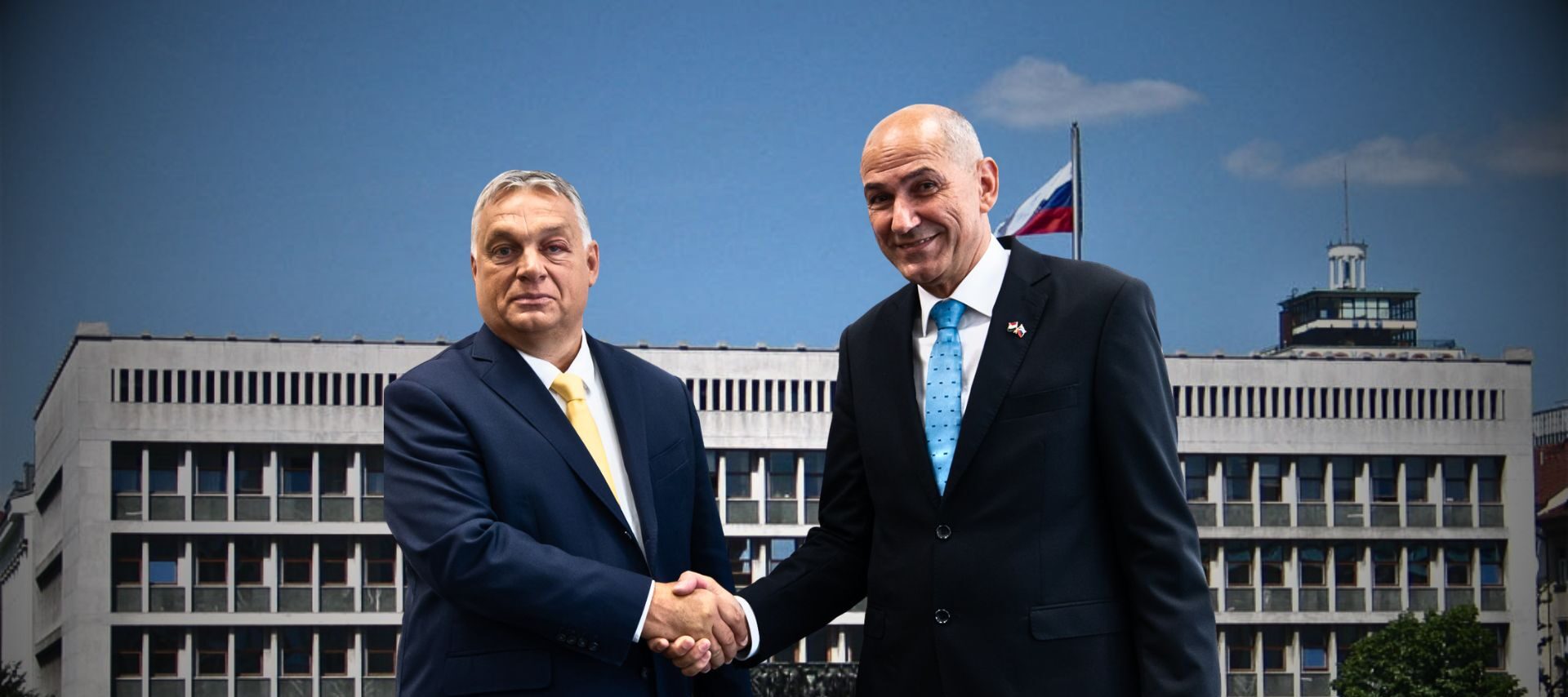
Political analysts are closely watching the election for its potential to expand the influence of Hungary’s Viktor Orbán and his allies across the region. Should Janša emerge victorious, Slovenia could join Hungary, Slovakia, and the Czech Republic in a strengthening far-right alliance that is gaining substantial influence from the Western Balkans to European Union institutions.
The National Assembly, elected through a proportional representation system, typically results in coalition governments rather than single-party rule. After the election, the chamber will nominate the prime minister, as Slovenia does not hold direct popular votes for its head of government.
Janša, a controversial political figure who has led the SDS since 1993, is no stranger to power, having served as prime minister three times throughout his career. His previous administrations were characterized by contentious policies and confrontations over media freedom, democratic norms, and rule of law issues – drawing comparisons to Orbán’s leadership style in neighboring Hungary.
In 2021, Janša was linked to an alleged policy paper proposing significant border changes in the Balkans that would favor greater Albania, Croatia, and Serbia – though he denied authoring the document. The proposal raised concerns about potential destabilization in a region still recovering from the conflicts of the 1990s.
The election takes place against a backdrop of growing polarization across Europe, where traditional political alignments are being reshaped by populist and nationalist movements. The strengthening of a sovereigntist bloc – emphasizing national sovereignty over European integration – could further complicate EU decision-making on key issues ranging from migration to economic policy.
Slovenia, a nation of just over two million people, has been a member of the European Union since 2004 and joined the eurozone in 2007. Despite its relatively small size, the country occupies a strategically important position between Western and Eastern Europe, making its political orientation significant beyond its borders.
Golob, who came to power in 2022, has positioned his Freedom Movement as a centrist alternative focused on environmental issues and democratic values. His government has worked to distance Slovenia from the policies of Janša’s previous administration, particularly regarding media freedom and judicial independence.
Regional experts note that a Janša victory would likely strengthen coordination between Central European countries that have increasingly challenged EU policies on issues like migration, LGBTQ+ rights, and judicial independence. This “Visegrád Group plus” approach could create a more formidable voting bloc within European institutions.
“The potential reshaping of Slovenia’s foreign policy under Janša would represent more than just a domestic shift,” said a political analyst from the University of Ljubljana who requested anonymity. “It would signal the growing strength of sovereign nationalist politics across Central Europe and potentially alter the balance of power within EU decision-making bodies.”
Economic issues, including inflation and housing costs, along with concerns about healthcare and social services, have dominated the campaign. However, the election’s significance extends beyond domestic policies to questions about Slovenia’s place in Europe and its alignment in an increasingly divided continent.
As Slovenian voters prepare to cast their ballots, the outcome will be closely watched not only in neighboring capitals but also in Brussels, where EU officials are concerned about the growing influence of Eurosceptic forces within member states.
Fact Checker
Verify the accuracy of this article using The Disinformation Commission analysis and real-time sources.

13 Comments
Fascinating to see how foreign intelligence agencies are trying to shape the political landscape in Slovenia. The influence of far-right movements across Central Europe is definitely concerning and bears close watching in this election.
Absolutely. The regional power dynamics at play here are complex, and the potential expansion of Orban’s bloc is worrying for the stability of the EU.
This is a complex geopolitical situation with high stakes for the region. I hope the Slovenian people are able to make informed decisions that reflect their values and priorities.
It’s concerning to see foreign intelligence agencies trying to meddle in Slovenian politics. Voters will need to be discerning and make their choices based on the candidates’ actual platforms, not disinformation.
Absolutely. Protecting the integrity of the electoral process is vital for the health of Slovenia’s democracy.
I’m curious to see how the Slovenian voters will respond to these alleged disinformation efforts. Maintaining the integrity of the electoral process is crucial for democracy.
Agreed. Slovenians will need to be vigilant in discerning fact from fiction and making their voices heard at the ballot box.
The growing influence of far-right parties in Central Europe is a concerning trend. I hope Slovenian voters can see through these attempts at manipulation and choose a path that upholds democratic values.
The potential expansion of far-right influence in Central Europe is a worrying development. I hope Slovenian voters can see through these attempts at manipulation and choose a path that upholds democratic principles.
Disinformation campaigns are a serious threat to democracy. Slovenian voters will need to be vigilant in separating fact from fiction as they head to the polls.
Agreed. It’s crucial that they have access to reliable, unbiased information to make their choices.
It’s troubling to see foreign intelligence agencies meddling in Slovenian politics. Voters will need to be discerning and make their choices based on the candidates’ actual policies, not disinformation.
Absolutely. Maintaining the integrity of elections is crucial for the health of any democracy.