


Listen to the article
Israeli officials have vehemently rejected recent reports about dwindling missile defense capabilities, describing claims that Israel had informed the United States about critically low interceptor missile stockpiles as “a complete fake.”
Three senior Israeli officials, speaking on condition of anonymity due to the sensitive nature of the topic, confirmed that Israel maintains adequate supplies of all types of interceptor missiles for its defensive systems. These officials emphasized that production facilities in both Israel and abroad are operating continuously to ensure the stockpile remains at appropriate levels.
The denial comes in response to a report published by Semafor, which claimed Israel had notified Washington that its interceptor missile reserves had reached critically low levels amid escalating tensions with Iran. The report suggested that Israel entered the current conflict phase with already depleted resources following intense fighting in June.
One Israeli official went further, suggesting the report may have been planted by Iran or one of its regional proxies as part of an information warfare campaign. The official questioned the credibility of Semafor, describing it as “not considered friendly to Israel” and noting that sensitive military intelligence of this nature would typically not be leaked to what they characterized as “a marginal news outlet.”
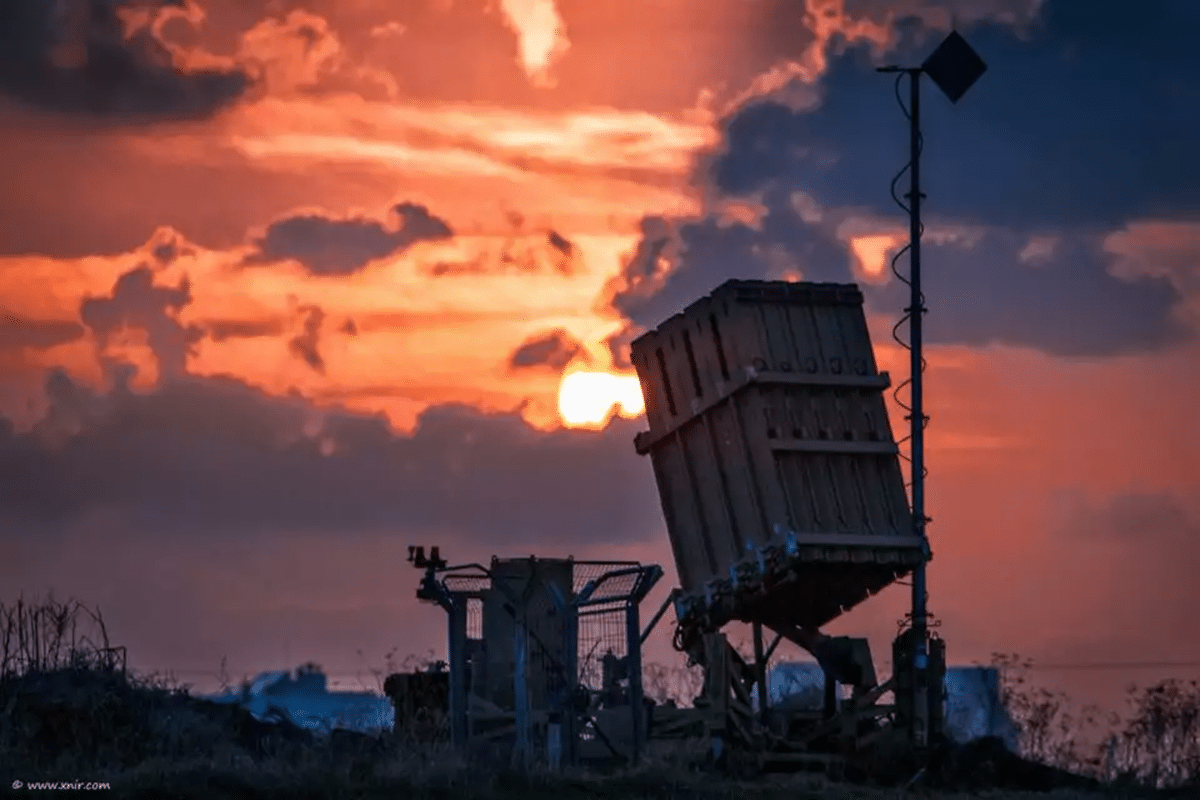
The missile defense systems in question represent the cornerstone of Israel’s layered defense strategy, including the Iron Dome system for short-range threats, David’s Sling for medium-range missiles, and the Arrow system designed to intercept longer-range ballistic missiles. These systems have proven crucial in protecting Israeli civilians during multiple conflicts.
Defense industry experts note that interceptor missile production is a complex and expensive process. A single Iron Dome interceptor is estimated to cost between $40,000 and $50,000, while missiles for the more advanced systems can cost significantly more. Maintaining adequate supplies during prolonged conflicts presents logistical and financial challenges for any nation.
The ongoing defense cooperation between Israel and the United States includes collaborative production of these defensive systems. American defense contractor Raytheon Technologies works with Israeli defense firm Rafael on producing components for the Iron Dome system, and similar partnerships exist for other interceptor technologies.
Israel’s missile defense capabilities have been tested repeatedly in recent months, with multiple interception events over major population centers including Jerusalem and Tel Aviv. The systems have demonstrated high success rates in neutralizing incoming threats, though the exact performance metrics remain classified.
Regional security analysts point out that perceptions of vulnerability in Israel’s defensive capabilities could embolden adversaries. Iran and its allied groups, including Hezbollah in Lebanon and Houthi forces in Yemen, have demonstrated increasingly sophisticated missile and drone attack capabilities that challenge existing defense systems.
The timing of this controversy coincides with ongoing diplomatic efforts to prevent further escalation in the region. U.S. officials have been engaged in shuttle diplomacy attempting to broker agreements that would reduce tensions, while simultaneously reinforcing commitments to Israel’s security.
Military logistics experts note that even the most well-supplied defense systems face sustainability challenges during extended conflicts. The rate of interceptor use versus production capacity creates natural constraints that military planners must carefully manage, particularly when facing adversaries with substantial missile arsenals.
Israeli defense officials maintain that strategic planning accounts for these factors and that the country’s defense industrial base has adapted to meet current threats. They emphasize that cooperation with the United States remains robust across all aspects of the ongoing security challenges.
Fact Checker
Verify the accuracy of this article using The Disinformation Commission analysis and real-time sources.

16 Comments
The claim of critically low interceptor missile levels seems dubious, given Israel’s emphasis on military preparedness. I’m curious to see if any credible evidence emerges to support the original report.
Agreed. Israel has a strong track record of investing in its defense capabilities, so I’m inclined to take their denial at face value for now.
While it’s prudent to maintain a degree of skepticism, Israel’s robust response and the potential for Iranian disinformation make me inclined to believe their denial of the missile defense shortage claims. This seems like a calculated attempt to sow doubt and discord.
Well said. Israel has a strong incentive to maintain its defensive capabilities, and their unwavering rejection of the report suggests it may be more fiction than fact. Navigating the murky waters of disinformation is critical in these sensitive matters.
The alleged missile defense shortage seems like a convenient narrative for Iran or its proxies to promote. Israel’s unequivocal refutation, coupled with the suggestion of an information warfare campaign, raises serious questions about the report’s legitimacy.
Agreed. Given Israel’s track record and the regional tensions, this appears to be more of a propaganda effort than a genuine revelation. Time will tell if any credible evidence surfaces to support the original claims.
The credibility of the Semafor report is certainly in question, given Israel’s forceful rebuttal and the suggestion of an Iranian disinformation campaign. It will be interesting to see if any further evidence emerges on this issue.
Absolutely. Maintaining a robust missile defense system is crucial for Israel’s security, so I’m inclined to trust their assurances for now.
Interesting that Israel is pushing back on these reports. I wonder if there is more to the story than meets the eye. Disinformation campaigns can be tricky to untangle.
Good point. It seems Israel is adamant about maintaining adequate missile defense stockpiles. This could be an attempt to downplay any vulnerabilities.
This dispute highlights the importance of verifying claims, especially when they involve sensitive national security matters. Israel’s clear and firm denial suggests the original report may have been more fiction than fact.
Exactly. In the age of disinformation, it’s crucial to carefully scrutinize such claims before drawing conclusions. Israel’s response seems to cast significant doubt on the veracity of the Semafor report.
Iran and its proxies have a history of disinformation campaigns, so it’s plausible they could be behind this report. Israel’s insistence on adequate stockpiles is understandable, given the regional tensions.
That’s a good point. The timing of this report, amidst escalating tensions, suggests it could be part of a broader information warfare strategy.
While I don’t dismiss the original report entirely, Israel’s categorical denial and its emphasis on continuous production to maintain stockpiles are reassuring. This seems more like an attempt to sow doubt than a credible revelation.
Agreed. Israel has a strong incentive to maintain its defensive capabilities, and their response suggests they are taking this matter seriously.