


Listen to the article
Iran Accuses US and Israel of Spreading “Disinformation” About Nuclear Program
Iran has sharply criticized the United States and Israel for what it describes as a systematic campaign of disinformation regarding its nuclear program and ballistic missiles. The accusations come amid heightened tensions in the region and ongoing indirect nuclear talks between Tehran and Washington.
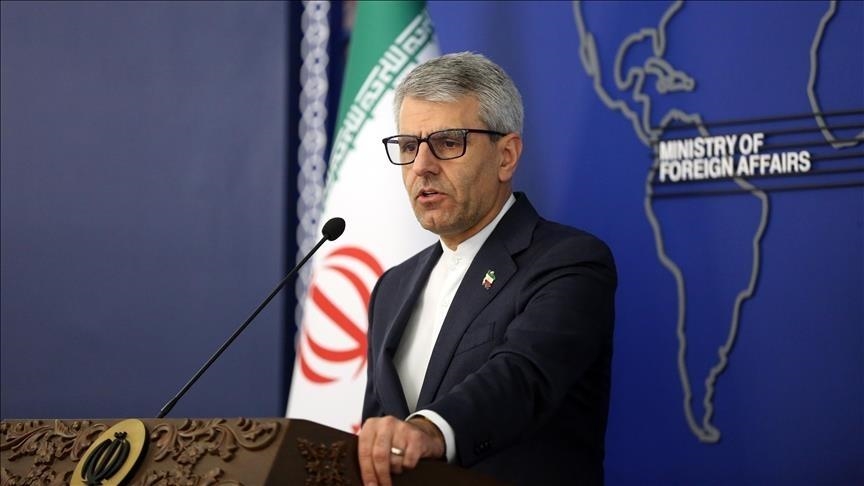
Foreign Ministry spokesman Esmaeil Baghaei took to social media platform X on Wednesday to compare American and Israeli tactics to Nazi propaganda methods. “‘Repeat a lie often enough and it becomes the truth,’ is a law of propaganda coined by Nazi Joseph Goebbels. This is now systematically used by the US administration and the war profiteers encircling it, particularly the genocidal Israeli regime,” Baghaei stated.
The Iranian official specifically rejected allegations about Iran’s nuclear program, ballistic missile capabilities, and casualty figures during January’s civil unrest, calling them “big lies” and urging the international community not to be “fooled by these prominent untruths.”
Meanwhile, Iran’s Parliament Speaker Mohammad Bagher Qalibaf warned former US President Donald Trump against making “wrong decisions based on wrong information.” Speaking to economic activists and trade representatives in Tehran, Qalibaf referenced an alleged attack on Iran during nuclear negotiations with the United States last June. He accused Washington of coordinating with Israel in what he claimed resulted in a “disgraceful defeat” for both countries.
Qalibaf, who previously ran for president, also cited remarks by US envoy Steve Witkoff that Trump had expressed curiosity about why Iran hadn’t “capitulated” despite significant American military presence in the region. “The answer is clear: they do not have proper knowledge, understanding, or perception of the Iranian nation,” Qalibaf asserted.
The escalating rhetoric follows Trump’s recent State of the Union address, where he stated his position on Iran’s nuclear ambitions. “My preference is to solve this problem through diplomacy. But one thing is certain: I will never allow the world’s number one sponsor of terror, which they are by far, to have a nuclear weapon. Can’t let that happen,” Trump declared before a joint session of Congress on Tuesday.
These developments coincide with the scheduling of a third round of indirect nuclear negotiations between Iran and the United States, set to take place Thursday in Geneva. The talks, mediated by Oman, are expected to include a draft proposal from the Iranian side. Previous meetings occurred in Oman on February 6 and in Geneva on February 17, with both sides agreeing to maintain communication channels.
The diplomatic efforts unfold against a backdrop of increased American military presence in the Persian Gulf region, prompted by Trump’s threats of potential military action should the current negotiations fail to yield results. Iran, for its part, has vowed to respond forcefully to any attack, even a limited one.
Iranian officials maintain that their position in negotiations centers on sanctions relief, which they insist must accompany any agreement limiting the country’s nuclear activities. Tehran has consistently accused the United States and Israel of manufacturing pretexts for military intervention and regime change in Iran.
The ongoing diplomatic dance reflects the complex geopolitical realities of the Middle East, where nuclear ambitions, regional influence, and historical antagonisms continue to shape international relations. As both sides prepare for the upcoming Geneva talks, the world watches to see whether diplomacy will prevail in addressing one of the region’s most persistent security challenges.
Fact Checker
Verify the accuracy of this article using The Disinformation Commission analysis and real-time sources.

8 Comments
Iran’s accusations of disinformation raise important questions. With so much at stake, it’s critical that the international community has access to reliable, verifiable information about Iran’s nuclear and missile programs.
Interesting claims from Iran about US and Israeli disinformation. It’s always hard to know the full truth with geopolitical disputes like this. I’d like to see more credible evidence from both sides before drawing firm conclusions.
Agreed, transparency and accountability from all parties involved would be helpful in resolving these complex issues.
This back-and-forth between Iran, the US, and Israel highlights the need for greater transparency and fact-finding in matters of global security and nuclear non-proliferation. All sides should welcome impartial investigations.
Agreed. Constructive dialogue and evidence-based policymaking are the best path forward on these complex issues.
The claims and counterclaims between Iran, the US, and Israel are concerning. Impartial, multinational monitoring and verification of Iran’s nuclear and missile activities could help bring more clarity to this dispute.
The Iran-US-Israel dynamic is a tangled web. Allegations of propaganda and misinformation are common. It would be good to see independent, fact-based analysis to cut through the rhetoric on all sides.
Absolutely. Objective, impartial reporting is crucial for understanding the truth in these geopolitical disputes.