


Listen to the article
The ongoing tensions between the United States, Israel, and Iran have escalated beyond military exchanges to include a concerning surge in disinformation campaigns, with the Philippines recently becoming entangled in these global information warfare tactics.
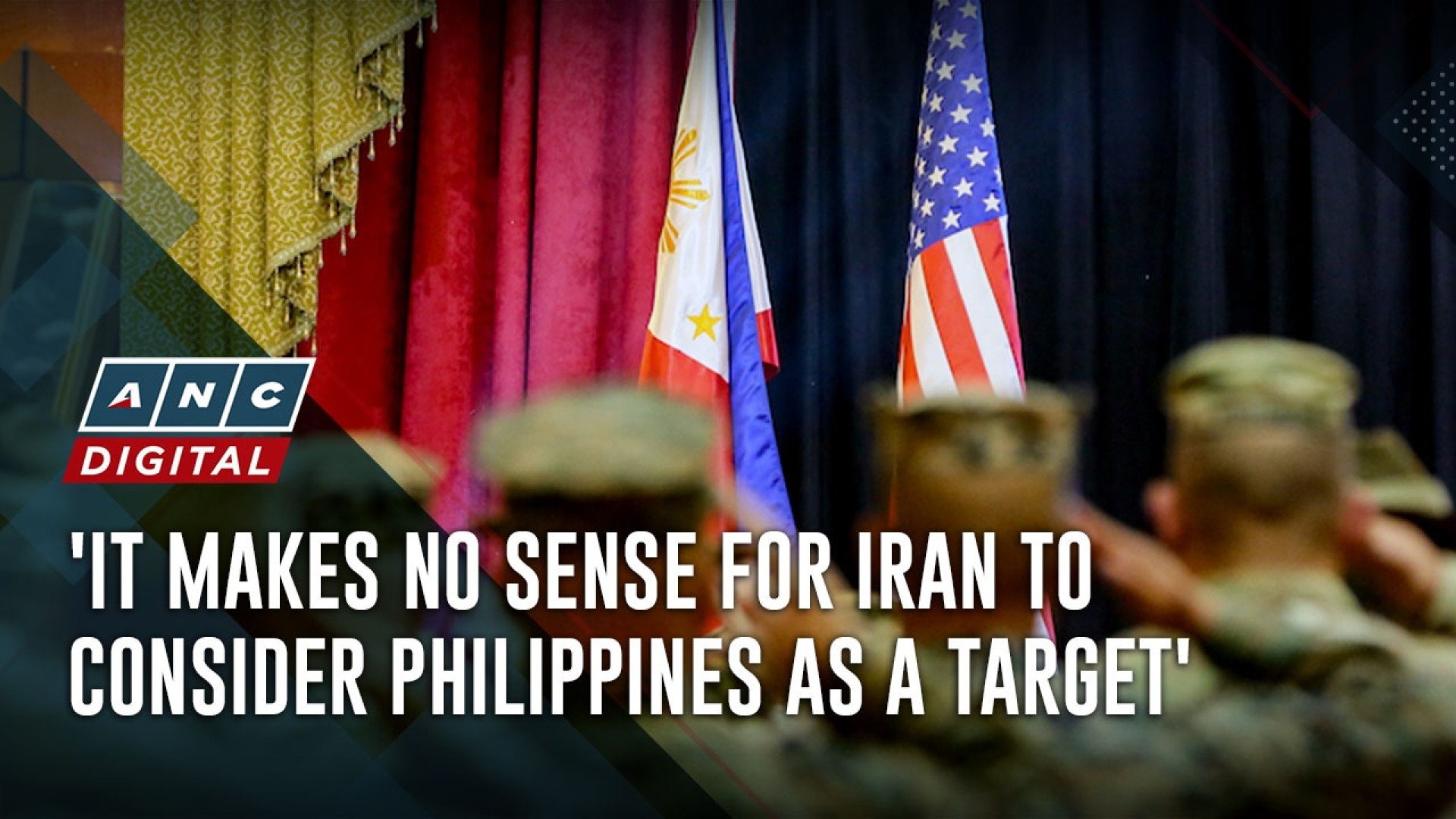
Security analysts are refuting widespread claims that Enhanced Defense Cooperation Agreement (EDCA) sites in the Philippines could be potential targets for Iranian attacks. These rumors gained traction on social media platforms as tensions in the Middle East intensified following Iran’s missile strikes against Israel earlier this month.
“EDCA sites are Philippine facilities, not American bases,” explained defense analyst Chester Cabalza in an interview with ABS-CBN News. “There is absolutely no strategic sense for Iran to target these locations in the Philippines, as they are far removed from the current conflict zone and serve primarily as cooperative training and logistics sites.”
The EDCA, signed in 2014, allows U.S. forces rotational access to designated Philippine military facilities. The agreement currently encompasses nine sites across the country, including locations in Palawan, Cagayan, and other strategically important areas. The arrangement falls short of establishing permanent U.S. bases, which would require constitutional amendments.
Philippine Defense Secretary Gilberto Teodoro has assured the public that there is no credible threat to EDCA facilities. “Our intelligence community has found no evidence supporting these claims,” Teodoro stated during a press briefing earlier this week. “These assertions appear to be deliberate attempts to create panic and undermine Philippine-U.S. security cooperation.”
The Department of Foreign Affairs has also emphasized that the Philippines maintains neutral diplomatic relations with Iran and is not involved in the current Middle East conflict. Foreign Affairs Secretary Enrique Manalo noted, “We have communicated with Iranian officials who have given no indication of hostile intent toward the Philippines.”
The proliferation of these rumors illustrates the global impact of disinformation campaigns during international conflicts. Social media platforms have become battlegrounds where geopolitical narratives are shaped and manipulated, often with the intent to create fear or distrust between allied nations.
“What we’re seeing is a classic example of information warfare,” said Maria Ressa, journalist and digital disinformation expert. “False narratives about potential Iranian attacks on Philippine soil serve to create domestic opposition to the EDCA and potentially strain U.S.-Philippine relations during a critical period.”
Security experts point out that Iran’s military strategy has historically focused on targets within its immediate region. Dr. Renato de Castro, international relations professor at De La Salle University, explained, “Iran’s ballistic missile capabilities are primarily designed for regional deterrence, not global power projection. The logistics of launching attacks against targets in Southeast Asia would be impractical and counterproductive to Iran’s strategic objectives.”
The Philippines’ cybersecurity agencies have reported an uptick in suspicious online activity coinciding with the spread of these rumors. The Cybercrime Investigation and Coordinating Center has identified several coordinated disinformation networks amplifying unfounded claims about potential attacks.
For ordinary Filipinos, the situation underscores the importance of media literacy and critical evaluation of information sources. “During international crises, it’s crucial for citizens to verify information through multiple reliable sources,” advised Jonathan Corpus Ong, disinformation researcher at Harvard University. “Government websites, established news organizations, and academic institutions typically provide more accurate information than anonymous social media accounts.”
Military officials maintain that Philippine security forces remain vigilant, but there has been no heightened alert status specifically related to threats from Iran. The Armed Forces of the Philippines continues to conduct regular security assessments of all military installations, including EDCA sites, as part of standard protocol.
As global tensions continue to evolve, Philippines officials emphasize the importance of maintaining diplomatic channels with all nations while strengthening the country’s information resilience against foreign influence operations that seek to exploit international conflicts for strategic advantage.
Fact Checker
Verify the accuracy of this article using The Disinformation Commission analysis and real-time sources.

11 Comments
While it’s understandable that tensions in the Middle East would raise concerns about potential spillover effects, the claims about Iran targeting EDCA facilities in the Philippines seem far-fetched. Sober analysis from defense experts is needed to restore calm.
Agreed. Spreading unsubstantiated rumors could needlessly stoke fear and distract from more pressing security priorities. Fact-based reporting is essential to maintain public trust and ensure effective policymaking.
The Philippines’ involvement in this broader disinformation campaign is concerning. I hope the government and media outlets there can work to quickly shut down the spread of these misleading claims about the EDCA facilities.
Yes, it’s critical that the public receives accurate, fact-based information on this issue to avoid undue panic or security risks. Transparency and swift debunking of false narratives will be key.
Interesting to see how global tensions can spark disinformation waves. It’s important to rely on authoritative sources and fact-checking to separate truth from fiction, especially around sensitive security issues like the EDCA sites in the Philippines.
Agreed. The claims about Iran potentially targeting those sites seem dubious given their distance from the conflict zone. Responsible analysis from defense experts is crucial to counter such unfounded rumors.
This disinformation wave highlights the challenges of information warfare in the digital age. Combating the spread of false narratives requires a multi-pronged approach involving tech companies, governments, and the media.
The fact that these unfounded rumors gained traction on social media platforms is a concerning trend. Tech companies need to do more to curb the spread of such disinformation, which can have real-world security implications.
Absolutely. Platforms need robust content moderation and fact-checking mechanisms to quickly identify and remove posts spreading misinformation, especially on sensitive national security topics.
It’s crucial that the Philippines government and military work closely with their U.S. counterparts to ensure the EDCA sites are properly secured and protected from any potential threats, real or imagined.
This just goes to show how quickly disinformation can proliferate, especially around geopolitical conflicts. Kudos to the defense analysts for providing clear, rational explanations to refute the spurious claims about the EDCA sites.