


Listen to the article
Iran’s Embassy Refutes French Media Claims of Internal Dissent
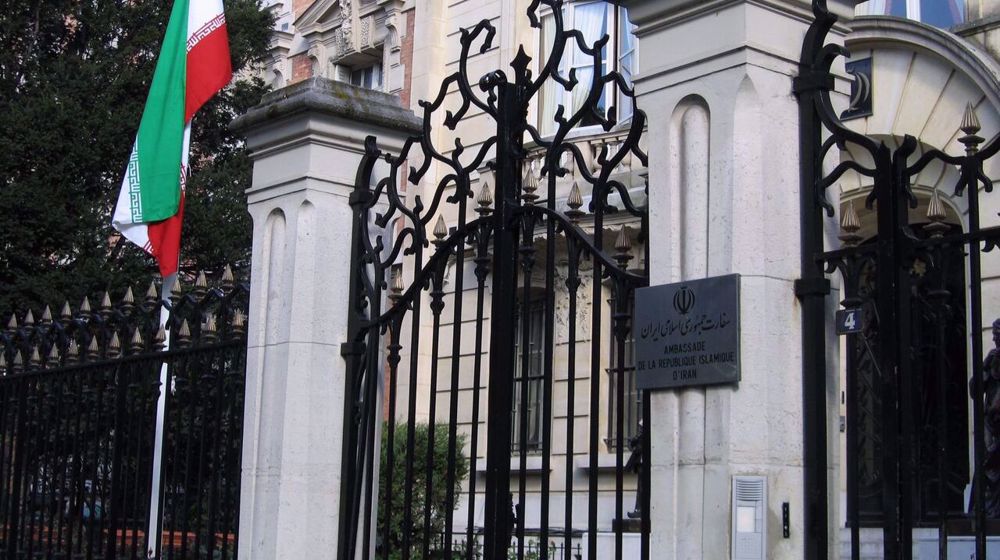
Iran’s embassy in France has forcefully denied allegations published in French media outlets that former high-ranking Iranian officials attempted to undermine the country’s supreme leadership during recent unrest.
In a strongly worded statement released Tuesday, the embassy characterized reports published in Le Figaro and other French media as “false,” “unfounded,” and part of a “deliberate disinformation campaign” designed to damage Iran’s international reputation.
“The content published in a number of media outlets, including the newspaper Le Figaro, on February 21, regarding ‘internal movements’ involving former officials and several other figures, is pure storytelling,” the embassy stated. Officials suggested the reports were “most likely based on false information and fabrications provided to the author.”
The diplomatic mission was responding specifically to claims made in Le Figaro that former Iranian President Hassan Rouhani and his foreign minister, Mohammad Javad Zarif, had attempted to sideline Supreme Leader Ayatollah Seyyed Ali Khamenei during the height of recent civil unrest. According to the embassy, such allegations are “categorically denied.”
The statement characterized the French newspaper’s reporting as “a clear example of an organized campaign to produce and disseminate false and fabricated information” with “no real value or credibility.”
The controversy emerges against the backdrop of political tensions in Iran that began in early January. What started as largely peaceful demonstrations over economic concerns, particularly the devaluation of Iran’s currency, later escalated into more violent confrontations. Iranian authorities have consistently maintained that foreign actors helped transform legitimate protests into destabilizing riots.
This diplomatic row highlights the ongoing sensitivity surrounding Iran’s internal politics and the careful management of information by Iranian authorities, particularly when it involves former high-level officials like Rouhani, who served as president from 2013 to 2021, and Zarif, who was widely recognized as the face of Iran’s diplomacy during nuclear negotiations with world powers.
The embassy specifically addressed reports about judicial proceedings against certain political figures, clarifying that these cases were limited in scope and related only to public statements made during the recent unrest. According to Iranian officials, these individuals have since been released after investigations were completed.
“Mixing unrelated issues and implying a connection between them constitutes yet another example of the groundlessness and falsity of the published claims,” the embassy statement continued.
The incident underscores the often-tense relationship between Western media outlets and Iranian authorities when it comes to reporting on the Islamic Republic’s internal affairs. Iran has frequently accused Western media of bias and spreading misinformation, while press freedom advocates point to Iran’s strict control of information and limited access for foreign journalists.
The embassy concluded its statement with a call for greater journalistic integrity, urging that “both authors of reports related to Iran and the publishing media exercise greater professional care and diligence concerning their sources of information and news.”
This diplomatic exchange occurs amid a complex period in France-Iran relations, which have been strained over various issues including Iran’s nuclear program, human rights concerns, and geopolitical differences in the Middle East. The incident highlights how media reporting can become entangled with diplomatic sensitivities in an already complicated bilateral relationship.
As of publication, Le Figaro has not publicly responded to the Iranian embassy’s statement or offered additional evidence to support its original reporting.
Fact Checker
Verify the accuracy of this article using The Disinformation Commission analysis and real-time sources.

8 Comments
While I’m inclined to believe Iran’s denials, it’s hard to know the full truth without access to more information. Geopolitical tensions often lead to competing narratives and propaganda efforts.
Exactly, it’s important to remain objective and not jump to conclusions without solid evidence. This looks like a complex situation where the truth may be difficult to ascertain.
Interesting to see Iran push back on these French media reports. I wonder what the real story is behind the scenes. Seems like an attempt to sow discord and undermine Iran’s leadership.
This highlights the complex geopolitical dynamics at play. Iran is clearly sensitive about any perceived challenges to its leadership, even from former officials. It will be interesting to see how this plays out.
The embassy’s strong language in refuting these reports suggests Iran is taking the allegations very seriously. Curious to see if any more details emerge to corroborate or contradict the French media claims.
The embassy’s strong denial suggests these reports may indeed be part of a disinformation campaign. It’s important to be skeptical of claims, especially when they come from unnamed sources or unverified information.
Absolutely, we should be wary of unsubstantiated claims, especially when they seem designed to damage a country’s reputation. Careful analysis is needed to get the real facts.
This seems like a classic case of media sensationalism and the spread of unverified information. The embassy’s response highlights how quickly such claims can spiral into diplomatic disputes.