


Listen to the article
Iranian Revolutionary Guard Denies Issuing Evacuation Warning for Doha Media
An informed source close to the Iranian Revolutionary Guard Corps (IRGC) has categorically denied issuing any evacuation warning for Doha or Qatari media outlets, according to Iran’s semi-official Tasnim News Agency. The statement, made shortly after midnight on Sunday, directly contradicts rumors that had been circulating widely on social media platforms.
“Contrary to the false rumors circulating on the internet, Iran did not issue any evacuation warning for Doha and Qatari media,” the source told Tasnim.
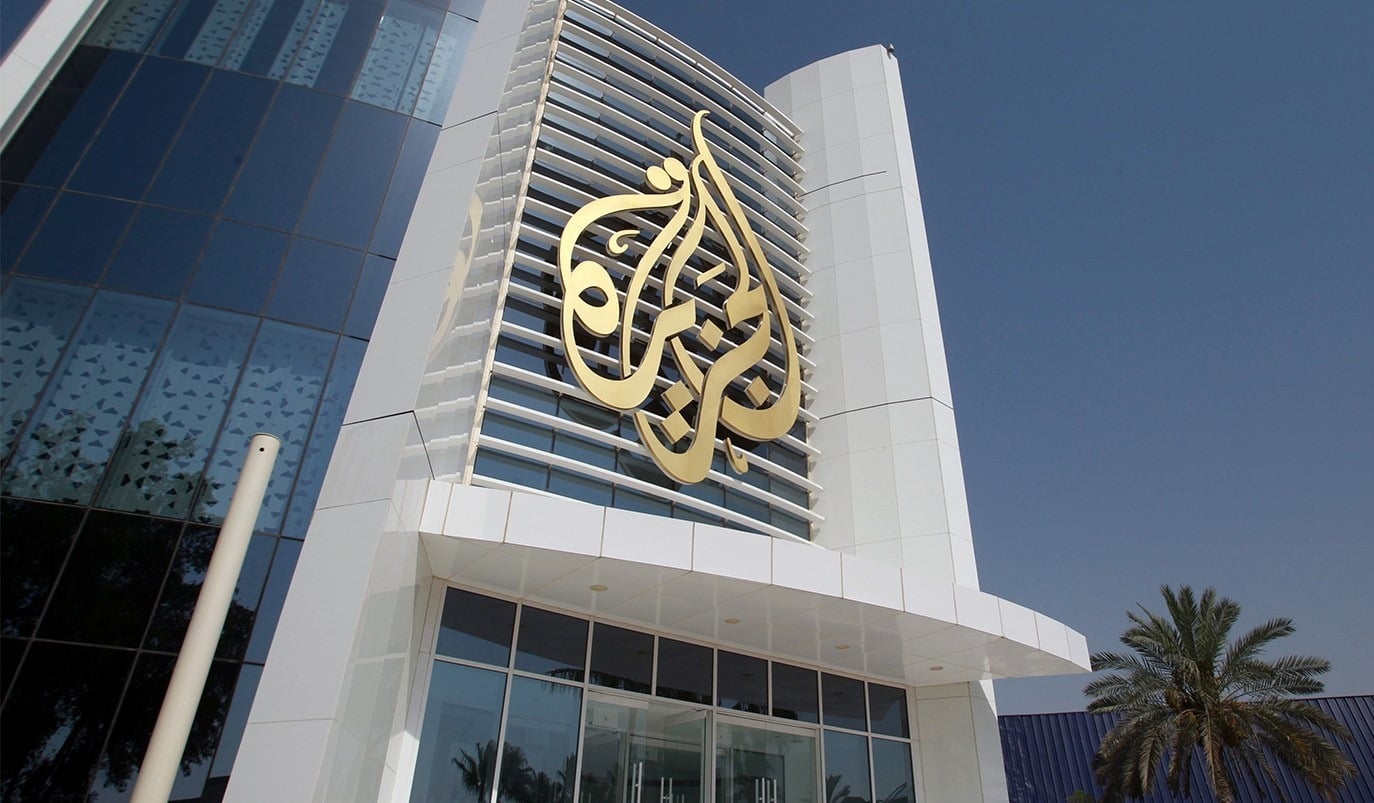
The denial comes in response to a fabricated graphic that had been shared extensively on social media platform X, formerly known as Twitter. The image, written in Arabic and designed to mimic an official alert, falsely claimed an “urgent evacuation” was necessary in parts of Doha, specifically highlighting the Al Jazeera Media Network headquarters. The fabricated warning alleged the area housed American forces and interests, and accused media outlets in the vicinity of “inciting against the Iranian people,” urging residents to evacuate “as quickly as possible.”
Islamic Republic of Iran Broadcasting (IRIB) also addressed the issue on its Telegram channel, apologizing for briefly publishing a post that claimed an evacuation warning had been issued for Al Jazeera’s offices. “Given the lack of information and statements from informed sources, this news is denied,” IRIB stated. “This news was quoted from some internal sources, which was immediately removed.”
Tehran Times added its voice to the denial on X, describing claims about IRGC threats toward Qatari media as a “blatant lie.” The publication suggested that “the enemy of the media and the killer of journalists is the Israeli regime, and it is not unlikely that behind this false news and false flag operation is the same murderous regime.”
In response to the circulation of these fabricated alerts, Qatar’s Ministry of Interior issued a public advisory urging citizens to avoid spreading rumors and to rely solely on official government channels for alerts and guidance. The ministry emphasized the importance of verifying information before sharing it, especially during times of regional tension.
The incident highlights the broader challenge of disinformation circulating online amid escalating regional tensions. Social media platforms have become battlegrounds for competing narratives, with fabricated content often gaining traction before official sources can respond.
Another example of this trend emerged when remarks by Al Jazeera analyst Liqaa Maki were taken out of context and shared widely. Some users claimed Maki was advocating for attacks on Iranian civilian infrastructure, when a review of the complete broadcast reveals he was analyzing the potential strategy behind Israeli Defense Minister Israel Katz’s threats against Iran.
In his complete remarks, Maki was discussing how targeting civilian infrastructure might be part of a U.S.-Israeli strategy aimed at creating conditions for internal unrest in Iran, rather than personally advocating for such tactics.
Fatima Alsmadi, a researcher at Al Jazeera Centre for Studies, addressed the situation by sharing reports from Noor News on X confirming the evacuation claims were false. According to these reports, Iran “considers the people and countries of the region to be brothers, and [that it only] targets American and Zionist interests in the region.”
Media experts note that the rapid spread of such disinformation underscores the heightened information warfare that often accompanies physical conflicts, with social media amplifying unverified claims that can potentially inflame tensions or create unnecessary panic.
This incident occurs against the backdrop of broader regional tensions, with various actors attempting to shape public perception and potentially influence diplomatic and military calculations through strategic messaging and, at times, deliberate misinformation.
Fact Checker
Verify the accuracy of this article using The Disinformation Commission analysis and real-time sources.

8 Comments
Interesting story about the disinformation surrounding an alleged evacuation warning in Doha. It’s good to see the Iranian authorities promptly deny these false rumors. Spreading misinformation can be very damaging, so it’s important for officials to quickly address and correct the record.
Absolutely, transparency and factual reporting are crucial, especially when it comes to sensitive geopolitical issues. Proactive denial of fabricated claims helps maintain trust and avoid unnecessary panic or escalation.
The proliferation of disinformation on social media remains a significant concern. While I appreciate the Iranian government’s swift denial, this incident underscores the need for robust information verification and fact-checking processes, both at the institutional and individual level.
This highlights the need for vigilance against online disinformation, which can spread rapidly even without credible evidence. I’m curious to learn more about the tactics used to create and disseminate this fabricated warning graphic.
Good point. Understanding the techniques used by disinformation actors is key to building resilience and responding effectively. Thorough investigation into the origin and motives behind this incident would be valuable.
This story highlights the ongoing challenge of combating online disinformation. Kudos to the Iranian officials for swiftly denying the false claims. Fact-checking and transparency are crucial to counter the spread of misleading narratives, especially around geopolitical issues.
It’s concerning to see the Iranian authorities accused of issuing an evacuation warning, even if it was just a rumor. Maintaining open lines of communication and trust between nations is so important, especially in volatile regions. Hopefully this gets resolved without further escalation.
I’m glad to see the Iranian authorities take a proactive stance in addressing these rumors. Disinformation can have serious real-world consequences, so it’s critical for officials to quickly correct the record and provide accurate information to the public.