


Listen to the article
Iran Denies US and Israeli Accusations in Ongoing Information Dispute
Iran has forcefully rejected accusations from the United States and Israel regarding its nuclear ambitions, missile capabilities, and the government’s handling of January protests, characterizing these claims as a coordinated disinformation effort against Tehran.
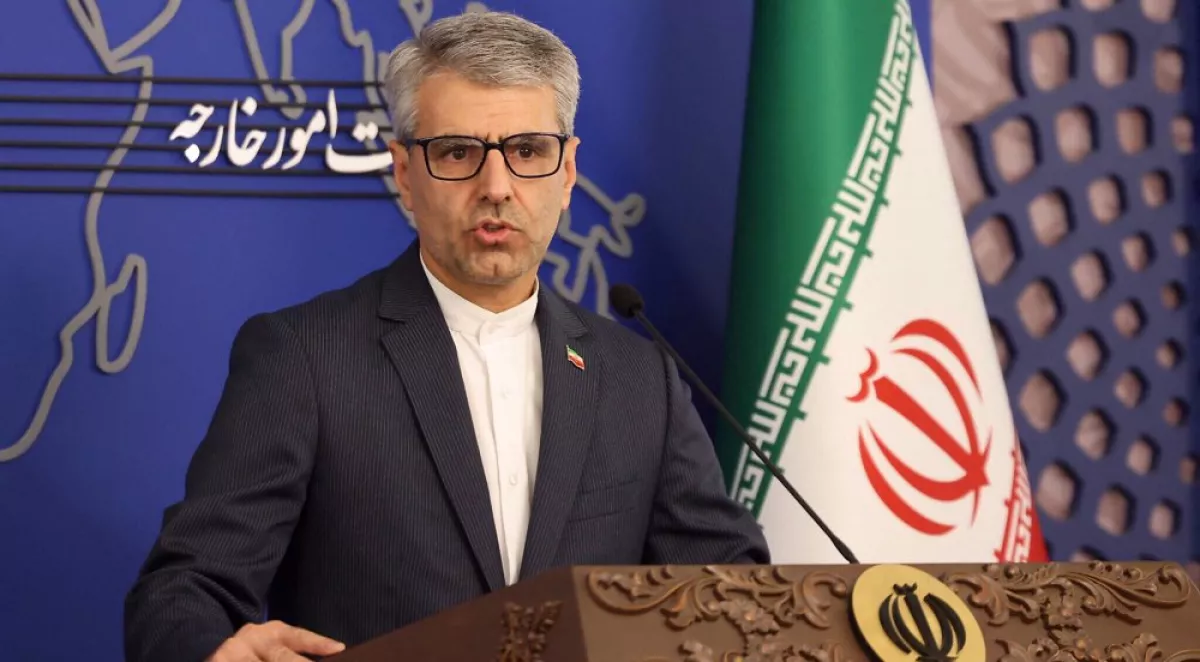
Foreign Ministry spokesperson Esmaeil Baghaei took to social media platform X on Tuesday to condemn what he described as a systematic campaign of false information. In his statement, Baghaei drew a controversial parallel to Nazi propaganda techniques, suggesting that similar tactics were being employed by Washington and its allies, particularly Israel, to undermine Iran’s international standing.
“Claims about Iran’s nuclear program, ballistic missiles, and the casualties during the January unrest are simply the repetition of ‘big lies,'” Baghaei stated, framing the accusations as part of a broader strategy to isolate Iran diplomatically.
The statement comes amid escalating tensions in the Middle East, where Iran’s influence and military capabilities have become central concerns for the United States and regional allies. Recent reports indicate that US President Donald Trump has expressed alarm over Iran’s missile development program, claiming that Tehran has already produced weapons capable of threatening European territories and American military installations abroad.
According to these reports, Trump further alleged that Iran is now focusing on developing systems with even greater range, potentially capable of reaching the continental United States. Such claims significantly raise the stakes in the ongoing standoff between Washington and Tehran, which has intensified since the Trump administration’s return to office.
The dispute over Iran’s missile program has been a persistent source of friction in international relations. While Iran maintains that its missile development is defensive in nature and necessary for its security in a volatile region, the United States and Israel have consistently characterized the program as aggressive and destabilizing.
Regional security experts note that the technical capabilities of Iran’s missile arsenal remain subject to debate among intelligence communities, with differing assessments of their actual range and accuracy. However, the perception of threat has been sufficient to drive policy decisions in Western capitals and among Iran’s regional rivals.
The January protests referenced in Baghaei’s statement represent another point of contention. While international human rights organizations and opposition groups have reported significant casualties during government crackdowns on demonstrations, Iranian authorities have consistently disputed these figures and characterized the unrest as foreign-instigated.
The information battle between Iran and its adversaries takes place against the backdrop of a broader geopolitical competition in the Middle East, where Iran’s support for proxy groups in Syria, Yemen, Iraq, and Lebanon has positioned it as a significant regional power but also drawn international censure.
Energy markets are closely monitoring these developments, as any major escalation could impact oil supplies from the Persian Gulf region. Iran, which possesses the world’s fourth-largest proven oil reserves, has seen its exports constrained by international sanctions but remains a potentially significant player in global energy markets.
Diplomatic observers suggest that the harsh rhetoric from both sides may further complicate any potential return to negotiations over Iran’s nuclear program. The 2015 nuclear deal, formally known as the Joint Comprehensive Plan of Action (JCPOA), has been effectively dormant since the United States withdrew from it during Trump’s previous administration.
As tensions persist, the potential for misunderstanding or miscalculation remains a concern for security analysts, particularly in the Persian Gulf, where American and Iranian naval forces operate in close proximity.
The information dispute highlights the significant role that perception and narrative play in international relations, especially in regions where direct diplomatic channels remain limited or strained.
Fact Checker
Verify the accuracy of this article using The Disinformation Commission analysis and real-time sources.

14 Comments
This is a complex geopolitical issue with a lot of historical baggage. I’m curious to hear more about Iran’s perspective and how they view the accusations from the US and Israel.
Iran’s comparison to Nazi propaganda tactics is certainly a provocative one. I wonder if they have specific examples they can point to in support of that claim.
Disinformation campaigns can have far-reaching consequences, so I’m glad to see Iran calling out what they perceive as a coordinated effort against them. Hopefully, this will spur more transparency and accountability from all parties involved.
Geopolitical tensions are always concerning, especially when nuclear capabilities and regional influence are involved. I hope all sides can work to de-escalate the situation through diplomacy and good-faith negotiations.
This seems like a classic case of competing narratives and accusations of disinformation. I hope the relevant parties can work to establish a shared understanding of the facts.
While I’m not surprised to see Iran pushing back against the US and Israel, the specific accusations of coordinated disinformation are quite serious. I’ll be interested to see how this plays out in the coming weeks and months.
Agreed. This is a complex issue with a lot of historical context. Maintaining a balanced, evidence-based approach will be crucial as the situation unfolds.
It’s concerning to see the escalating tensions between Iran, the US, and Israel. Disinformation campaigns can be very damaging, so it’s important to try to get to the facts of the matter as much as possible.
I agree, maintaining open communication and diplomatic channels will be crucial to de-escalating the situation and finding a peaceful resolution.
The allegations around Iran’s nuclear program, missile capabilities, and handling of protests are serious. I hope the relevant parties can engage in constructive dialogue to address these issues and find common ground.
The comparisons to Nazi propaganda tactics are certainly eye-catching, but I’m not sure they’re particularly helpful in advancing a constructive dialogue. A more measured approach may be warranted.
I agree. Inflammatory language tends to entrench positions rather than foster compromise. Focusing on specific, verifiable issues may be a better path forward.
While the rhetoric from Iran is quite strong, I think it’s important to try to understand their perspective and concerns. Oversimplifying complex geopolitical dynamics is rarely productive.
Agreed. Maintaining nuance and seeking to find areas of agreement, even in tense situations, is key to making progress.