


Listen to the article
Iran’s Foreign Ministry Accuses US and Israel of “Disinformation Campaign”
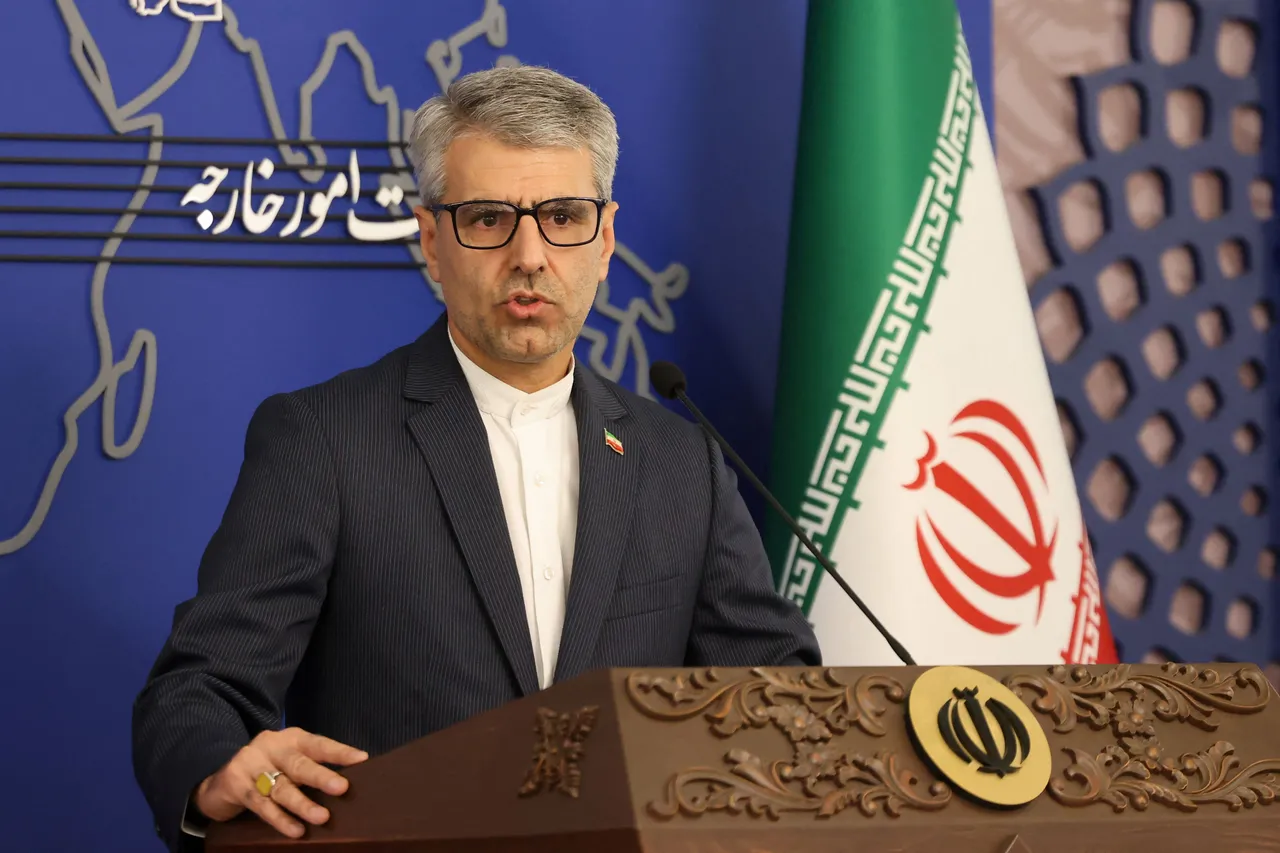
Iran’s Foreign Ministry spokesperson Esmaeil Baqaei has launched a sharp rebuke against the United States and Israel, claiming both nations are conducting a coordinated disinformation effort targeting the Islamic Republic.
In a statement posted Wednesday on social media platform X, Baqaei accused Washington and what he termed “war profiteers”—with particular emphasis on Israel, which he referred to as the “Zionist regime”—of deliberately propagating false information about Iran’s nuclear program, ballistic missile capabilities, and civilian casualties during protests that occurred in January.
“Professional liars are good at creating the ‘illusion of truth,'” Baqaei stated, suggesting that repeated falsehoods are being strategically deployed to shape international perception of Iran.
The spokesman’s comments come amid heightened tensions in the Middle East, where Iran maintains significant influence through proxies in Lebanon, Syria, Iraq, and Yemen. The ongoing Israel-Hamas conflict has further strained regional relations, with Iran consistently positioning itself as a counterweight to U.S. and Israeli interests in the region.
Baqaei invoked historical propaganda tactics in his statement, making a thinly veiled reference to Nazi propaganda minister Joseph Goebbels by suggesting that the repetition of falsehoods to manipulate public opinion—a strategy often attributed to Goebbels—is now being employed against Tehran.
“Whatever they’re alleging in regards to Iran’s nuclear program, Iran’s ballistic missiles, and the number of casualties during January’s unrest is simply the repetition of ‘big lies,'” the spokesman declared, urging audiences not to be “misled by prominent untruths.”
The accusations reflect longstanding grievances from Tehran regarding international scrutiny of its nuclear ambitions. Iran has consistently maintained that its nuclear program exists solely for peaceful purposes, while Western nations, led by the United States, have expressed concern over potential military dimensions of the program.
The International Atomic Energy Agency (IAEA) has reported in recent months that Iran continues to expand its uranium enrichment activities beyond the limits established in the 2015 Joint Comprehensive Plan of Action (JCPOA), from which the United States withdrew under former President Donald Trump in 2018.
Similarly, Iran’s ballistic missile program has been a source of international concern, particularly following missile tests conducted in recent years. The United States has imposed multiple rounds of sanctions targeting entities and individuals connected to Iran’s missile development efforts, citing regional security concerns.
The January protests referenced by Baqaei resulted from complex economic and political factors within Iran, though casualty figures remain disputed. International human rights organizations have frequently criticized Iranian authorities for their response to civil demonstrations.
This latest diplomatic salvo comes as Western nations continue efforts to curtail Iran’s nuclear development while Tehran insists on sanctions relief as a precondition for any new agreements. The Biden administration has expressed interest in reviving nuclear talks, but progress has been limited amid regional conflicts and domestic political considerations in both countries.
Analysts note that Iran’s messaging strategy increasingly focuses on portraying itself as the victim of coordinated Western disinformation, particularly as economic pressures from sanctions continue to impact the country’s economy and as regional proxy conflicts intensify.
The rhetoric underscores the deep diplomatic divide that persists between Iran and Western powers, with little indication of meaningful diplomatic breakthroughs on the horizon.
Fact Checker
Verify the accuracy of this article using The Disinformation Commission analysis and real-time sources.

14 Comments
The ongoing tensions in the Middle East are deeply concerning. While Iran’s accusations warrant consideration, it’s crucial that all sides refrain from escalating rhetoric and instead focus on de-escalation and conflict resolution through diplomatic channels.
Absolutely. Maintaining open lines of communication and a commitment to peaceful negotiation is essential for making progress on these sensitive regional issues.
Iran’s concerns about perceived falsehoods targeting its nuclear program and regional influence are understandable, given the high stakes involved. But it’s important that all parties involved prioritize transparency and factual integrity in their communications.
Well said. Open and honest dialogue, grounded in verifiable information, is the best path forward in addressing these complex geopolitical challenges.
Iran’s claims of a disinformation campaign raise valid questions about the role of information warfare in international relations. However, it’s important to approach such allegations with a critical eye and seek to understand the broader context and motivations at play.
Well stated. Objective analysis and a commitment to factual integrity are vital for navigating these complex geopolitical challenges.
Iran’s accusations raise important questions about the role of information warfare in international relations. While the US and Israel may have interests in the region, it’s important not to jump to conclusions without clear evidence.
Well said. A nuanced, fact-based approach is necessary to navigate these complex geopolitical waters.
The claim of a coordinated disinformation campaign is concerning, if true. However, we should be cautious about accepting such allegations at face value and instead seek to understand the broader context and motivations at play.
Precisely. Maintaining a critical and impartial perspective is crucial when dealing with sensitive international issues.
Interesting allegations from Iran. While disinformation is certainly a concern, it’s important to evaluate claims objectively and consider all sides of the story. What evidence does Iran have to support its accusations against the US and Israel?
Valid point. Transparency and factual verification are crucial when it comes to issues of regional tensions and national security.
The geopolitical dynamics in the Middle East are complex, with various actors vying for influence. It’s critical that any claims of disinformation or propaganda campaigns be thoroughly investigated and substantiated before drawing conclusions.
Agreed. Maintaining objectivity and seeking impartial sources is key to understanding these sensitive matters.