


Listen to the article
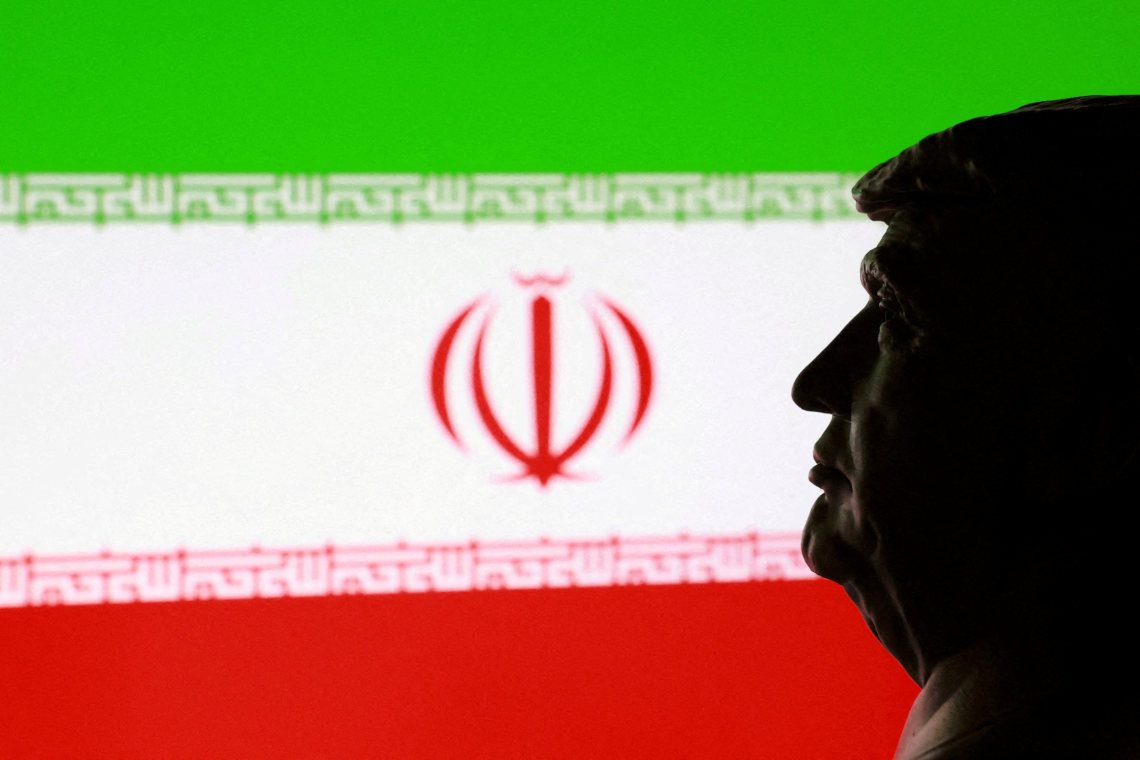
US President Donald Trump has accused Iran of weaponizing artificial intelligence to spread disinformation about its military capabilities and domestic support amid the ongoing conflict between the US, Israel, and Iran.
“AI can be very dangerous, we have to be very careful with it,” Trump told reporters aboard Air Force One on Sunday. Earlier, he had posted on his Truth Social platform claiming that Western media outlets were working in “close coordination” with Iran to disseminate AI-generated “fake news,” though he provided no evidence to support this allegation.
Trump’s comments come during a period of heightened tension between the Federal Communications Commission (FCC) and news broadcasters. Just a day earlier, FCC Chairman Brendan Carr threatened to revoke the licenses of broadcasters who failed to “correct course” in their coverage of the war, signaling an escalating conflict between the administration and media organizations.
The president identified three specific instances where he claimed Iran had employed artificial intelligence for deception. He alleged that Iran had fabricated images of “kamikaze boats” that do not exist and used AI to falsely depict a successful attack on the USS Abraham Lincoln aircraft carrier. Trump went as far as suggesting that publications disseminating such information should face treason charges.
Reuters has verified footage from Iraq’s port of Basra showing explosive-laden Iranian vessels attacking two fuel tankers, an incident that resulted in at least one crew fatality. While Iranian state media did claim an attack on the USS Abraham Lincoln, this assertion was not widely reported by Western media outlets.
Trump further alleged that images showing “250,000” Iranians rallying in support of new Supreme Leader Mojtaba Khamenei were “totally AI generated” and that the event “never took place.” However, multiple pro-government demonstrations have been documented in Iran since the conflict began, with numerous reputable news organizations including Reuters publishing verified photographs of crowds gathering in Tehran following Khamenei’s appointment.
The accusations reflect Trump’s ongoing contentious relationship with news media. Throughout his presidency, he has frequently labeled unfavorable coverage as “fake news” and has previously called for the revocation of broadcast licenses for outlets he perceives as unfair to him or his administration.
This latest salvo against both Iran and the media occurs against the backdrop of an increasingly complex geopolitical situation in the Middle East. The conflict has strained diplomatic relations and raised concerns about regional stability, with oil markets experiencing volatility in response to developments in the Persian Gulf.
Media watchdogs and press freedom advocates have expressed concern about the administration’s rhetoric toward news organizations, viewing threats against broadcast licenses as potential infringements on First Amendment protections. The intersection of warfare, information dissemination, and emerging technologies like AI represents a new frontier in international conflict, where distinguishing between authentic and manipulated content becomes increasingly challenging.
Trump did not specify which news reports from Iran he was referencing in his accusations, leaving questions about the precise target of his criticism. As the conflict continues, the role of media coverage and information integrity will likely remain contentious issues in public discourse.
Fact Checker
Verify the accuracy of this article using The Disinformation Commission analysis and real-time sources.

8 Comments
The potential for AI to be used for disinformation is a serious concern. While I’m skeptical of Trump’s allegations, if true, it underscores the need for robust safeguards and ethical guidelines around AI development and deployment.
Interesting allegations about Iran using AI for disinformation. While new technologies can be abused, we should be careful about unsubstantiated claims. Transparency and fact-checking are crucial to address genuine concerns without fanning flames.
The use of AI for deception is worrying, but I’d like to see more substantiation of these claims. Careful analysis and fact-checking are essential to avoid escalating tensions based on unproven allegations.
The use of AI for propaganda is worrying. However, we should be cautious about making accusations without concrete evidence. Responsible oversight and transparency around AI development and deployment are important to prevent misuse.
Allegations of AI-powered disinformation campaigns are troubling, but we need to see the evidence before drawing conclusions. Responsible use of AI is crucial, and I hope this leads to constructive dialogue on the topic.
This is a concerning development if true. AI can be a powerful tool for both good and bad. I hope there is a thorough investigation to uncover the facts and prevent the further spread of disinformation.
I agree, it’s critical that the truth comes out. Disinformation campaigns erode public trust, so we need rigorous, impartial scrutiny of these allegations.
This is a complex issue where geopolitical tensions and emerging technologies intersect. I hope the relevant authorities can investigate thoroughly and provide a clear, evidence-based assessment to the public.