


Listen to the article
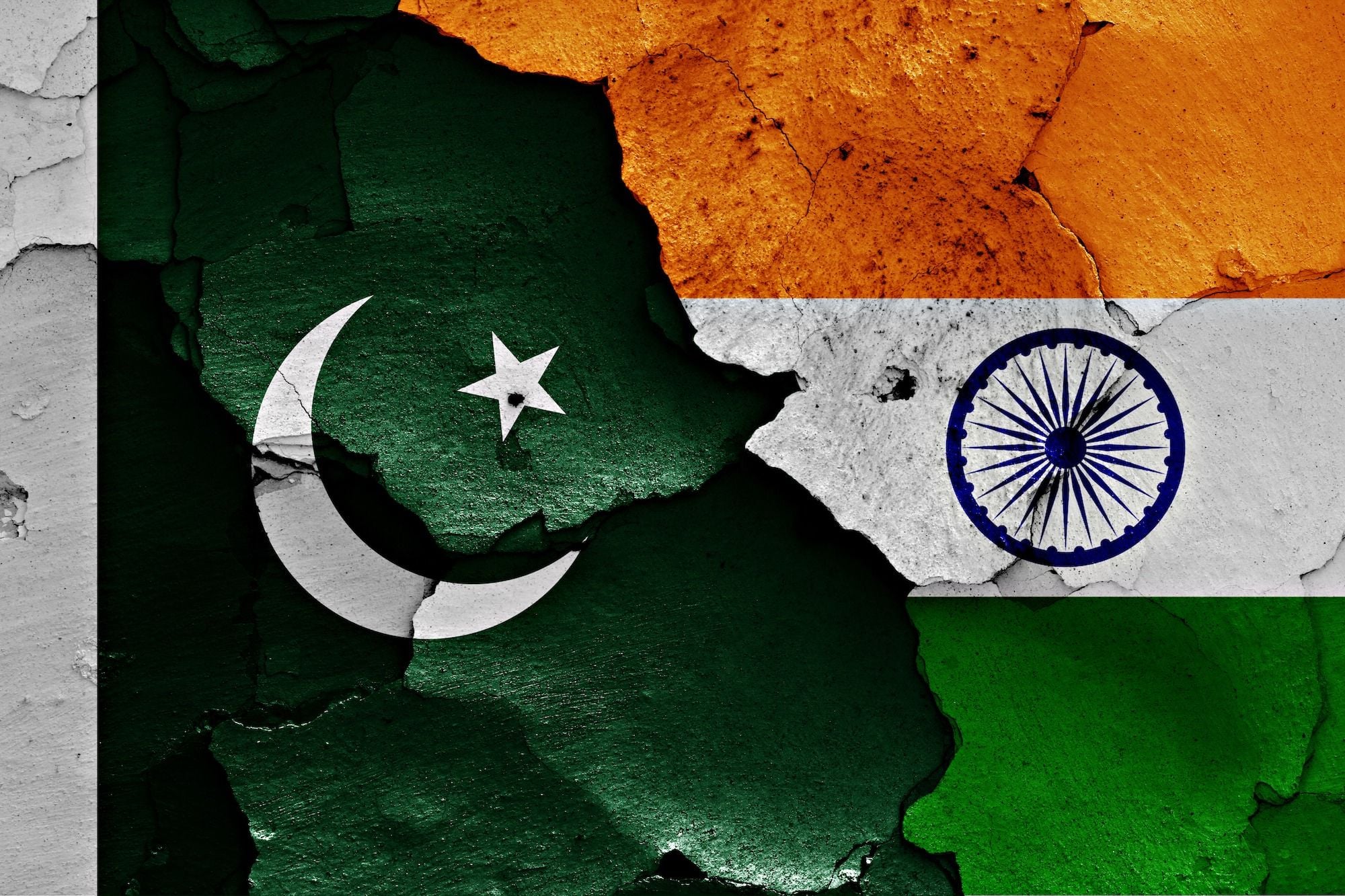
A coordinated disinformation network allegedly operated by India and targeting Pakistan has been uncovered by security analysts, revealing sophisticated efforts to undermine Pakistan’s diplomatic standing and regional peace initiatives.
According to investigators, the campaign employed a complex web of fake Iranian identities and coordinated social media accounts to disseminate misleading narratives across digital platforms. The operation appears designed to inflame regional tensions and tarnish Pakistan’s international reputation.
The investigation revealed that operatives behind the campaign created convincing false personas who presented themselves as Iranian citizens or regional experts. These fabricated identities shared content strategically designed to create friction between Pakistan and its neighbors, particularly Iran, while simultaneously attempting to isolate Islamabad diplomatically.
“This represents a significant escalation in information warfare tactics in South Asia,” said a cybersecurity expert familiar with the investigation who requested anonymity due to the sensitivity of the findings. “The sophistication and scale of the operation suggest substantial resources and planning.”
The network reportedly operated through multiple channels, including social media platforms, seemingly independent news websites, and coordinated messaging amplified by fake accounts. Content analysis revealed consistent narratives intended to portray Pakistan as an unreliable partner in regional security efforts.
Particularly concerning to analysts was the campaign’s apparent aim to drive wedges between Pakistan and Iran, two neighboring countries whose relationship has historically fluctuated between cooperation and tension. By masquerading as Iranian citizens expressing anti-Pakistan sentiments, the network attempted to create the appearance of widespread Iranian distrust toward Pakistan.
The timing of the disinformation campaign coincides with Pakistan’s recent diplomatic initiatives to improve regional cooperation and stability. Pakistan has been working to strengthen economic and security partnerships with neighboring countries, including Iran, Afghanistan, and Central Asian states — efforts that would be undermined by regional distrust.
Regional security experts note that disinformation operations have become increasingly common tools in geopolitical rivalries across South Asia. The India-Pakistan relationship, marked by decades of conflict and mutual suspicion, has increasingly expanded into the information domain, with both sides accusing each other of spreading false narratives.
“What makes this campaign particularly noteworthy is its cross-border element, creating fictional personas from one country to influence perceptions in another,” explained Dr. Fatima Malik, an international relations expert specializing in South Asian security issues. “It represents a concerning evolution in regional information warfare.”
Digital forensics specialists who examined the network identified several technical indicators linking the operation to India, including IP addresses, account creation patterns, and linguistic analysis of content. The coordinated posting times and synchronized messaging across multiple platforms suggested a centralized command structure.
Indian officials have not yet responded to these allegations. Historically, both India and Pakistan have denied involvement in disinformation campaigns while accusing the other of such activities.
The exposure of this network comes amid growing global concern about state-sponsored disinformation operations. Social media platforms have faced increasing pressure to identify and remove coordinated inauthentic behavior, though detecting sophisticated operations remains challenging.
Pakistan’s foreign ministry is expected to address these findings formally in the coming days. Security analysts recommend increased digital literacy and awareness campaigns to help citizens identify potential disinformation, particularly content designed to inflame nationalist sentiments or exacerbate regional tensions.
The discovery highlights the evolving nature of conflict in South Asia, where traditional military and diplomatic confrontations are increasingly supplemented by battles for narrative control in the information space. As regional powers invest more resources in information operations, distinguishing fact from fiction becomes increasingly difficult for citizens and policymakers alike.
Fact Checker
Verify the accuracy of this article using The Disinformation Commission analysis and real-time sources.

7 Comments
This report highlights the ongoing challenges posed by state-sponsored disinformation campaigns. The sophisticated tactics employed, from creating false personas to strategic content dissemination, underscore the need for robust digital literacy and fact-checking efforts.
The use of fabricated Iranian identities to fuel tensions between Pakistan and its neighbors is a concerning tactic. I hope the investigation can shed more light on the full scope and intent behind this disinformation network.
Absolutely. Understanding the motives and ultimate goals of these actors will be crucial for mounting an effective response. Multilateral cooperation will likely be required.
Uncovering this kind of sophisticated disinformation network is crucial for maintaining regional stability and truth in public discourse. I’m curious to see how Pakistan and its allies respond to these allegations and work to expose the full scale of the operation.
Agreed. Transparency and accountability will be key to disrupting such campaigns in the future. Rigorous fact-checking and source verification will be essential.
While the details of this case are troubling, I’m hopeful that the exposure of this network will lead to greater awareness and vigilance against such manipulative tactics in the future. Maintaining truth and transparency in the information space is vital for regional stability.
This is a concerning development in regional disinformation tactics. The alleged Indian campaign targeting Pakistan shows how powerful and misleading fake online personas can be. Effective countering of such coordinated efforts will require close cooperation between security analysts and tech platforms.