


Listen to the article
Security sources have uncovered a sophisticated disinformation campaign orchestrated by Indian and Afghan social media networks following the recent deadly attack in Sydney, raising concerns about foreign interference in crisis situations.
The campaign, which began within hours of the incident, involved coordinated efforts to spread false narratives about the attack across multiple platforms. Intelligence officials described the operation as “methodical and deliberate,” designed to shape public perception and inflame tensions during a highly sensitive moment.
According to security analysts familiar with the investigation, thousands of social media accounts linked to Indian and Afghan networks were identified spreading unverified claims and manipulated information. Many accounts showed signs of being either automated or operated by teams working from coordinated scripts.
“What we observed was not organic discussion but a calculated attempt to control the narrative,” said a senior cybersecurity expert who requested anonymity due to the sensitive nature of the investigation. “These accounts activated almost simultaneously and pushed identical talking points, classic hallmarks of a coordinated influence operation.”
The disinformation targeted Australian domestic audiences as well as international observers, with fabricated details about the perpetrator’s background, motivations, and alleged affiliations. Analysis of the social media traffic revealed that much of the false information was designed to implicate specific ethnic and religious communities.
Australian authorities have expressed concern about the timing of the campaign, which exploited the information vacuum that typically exists in the immediate aftermath of tragic events. This period is particularly vulnerable to misinformation as official details are still being gathered and verified.
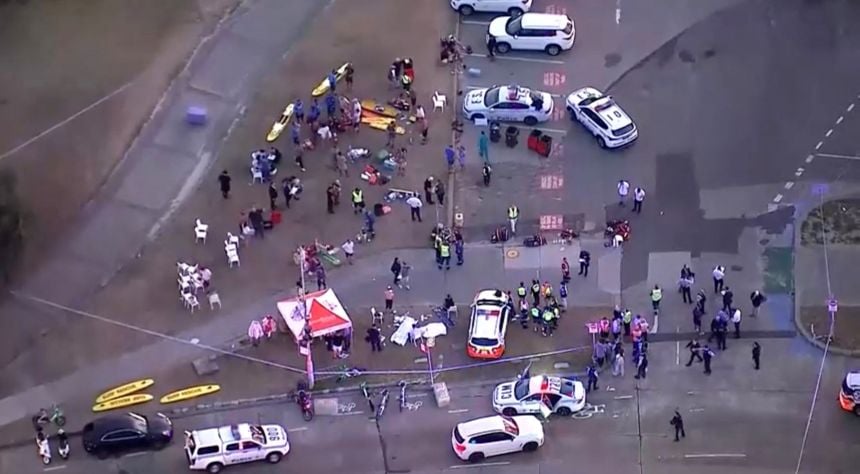
The Sydney attack, which claimed multiple lives, had already created significant community tension. The disinformation campaign appears to have been designed to exploit these divides and potentially influence public policy responses.
Digital forensics specialists have identified several techniques employed in the campaign, including the use of doctored images, out-of-context video clips, and falsified “eyewitness” accounts. Many of these materials were picked up and amplified by legitimate users who were unaware of their dubious origins.
“This represents a concerning evolution in information warfare,” said Dr. Elena Horvath, director of the Center for Digital Media Analysis. “These operations no longer just target elections but now exploit moments of crisis to advance geopolitical narratives and agendas.”
The revelation comes amid growing concerns about transnational disinformation campaigns and their impact on social cohesion and democratic processes. Technology platforms have faced increasing pressure to develop more robust systems for identifying and countering coordinated inauthentic behavior.
Australian officials have reportedly engaged with counterparts in multiple countries to address the issue, though diplomatic sensitivities have complicated these efforts. Neither Indian nor Afghan authorities have commented publicly on the allegations.
Media watchdog organizations have highlighted the incident as further evidence of the need for greater digital literacy among the public. “Critical consumption of information is essential, especially during breaking news events,” said Marcus Chen of the Global Media Monitoring Initiative. “The first reports are often the least reliable, yet they can set the tone for public understanding of events.”
Security experts warn that such campaigns are likely to become more sophisticated as artificial intelligence tools become more accessible, potentially making fabricated content increasingly difficult to distinguish from authentic material.
As investigations continue, platforms have removed hundreds of accounts identified as part of the operation. However, analysts note that the damage from such campaigns often persists long after the false information has been debunked, creating lasting impacts on community relations and public trust.
The incident underscores the complex challenges facing democratic societies in an era where information can be weaponized with unprecedented speed and precision.
Fact Checker
Verify the accuracy of this article using The Disinformation Commission analysis and real-time sources.

10 Comments
While the details are troubling, I’m glad the security sources were able to uncover this disinformation network. Exposing these types of coordinated efforts is an important step in countering their influence and protecting the public.
This highlights the importance of having robust cybersecurity measures to detect and counter foreign influence operations. Controlling the narrative through coordinated social media campaigns is a concerning tactic that needs to be addressed.
Agreed. Transparency and fact-checking are crucial to prevent the spread of misinformation, especially around sensitive incidents.
Interesting to see a coordinated disinformation campaign uncovered following the Sydney attack. Spreading false narratives during crisis situations is worrying and can inflame tensions. I’m curious to learn more about the specific tactics and accounts involved.
The use of automated accounts and coordinated scripts to push false narratives is a concerning trend. Effective counter-measures are needed to protect the integrity of online discourse, particularly during sensitive events. Transparency and fact-checking will be key.
The fact that this campaign was described as “methodical and deliberate” is concerning. It speaks to the level of sophistication and organization involved in these types of foreign influence operations. Continued vigilance and proactive measures are needed.
It’s troubling to see Indian and Afghan networks engaging in this type of disinformation effort. Manipulating information to shape public perception during a crisis is unethical and can have serious consequences. Monitoring and disrupting these campaigns is essential.
Sophisticated disinformation campaigns that leverage coordinated social media tactics are a growing concern. I hope the investigation into this operation provides insights that can help improve our ability to detect and respond to such threats in the future.
This serves as a reminder of the need for vigilance against foreign interference and the manipulation of information. Controlling the narrative through disinformation campaigns is a serious threat to public trust and social stability.
Absolutely. Building resilience against such tactics should be a priority for governments and social media platforms.