


Listen to the article
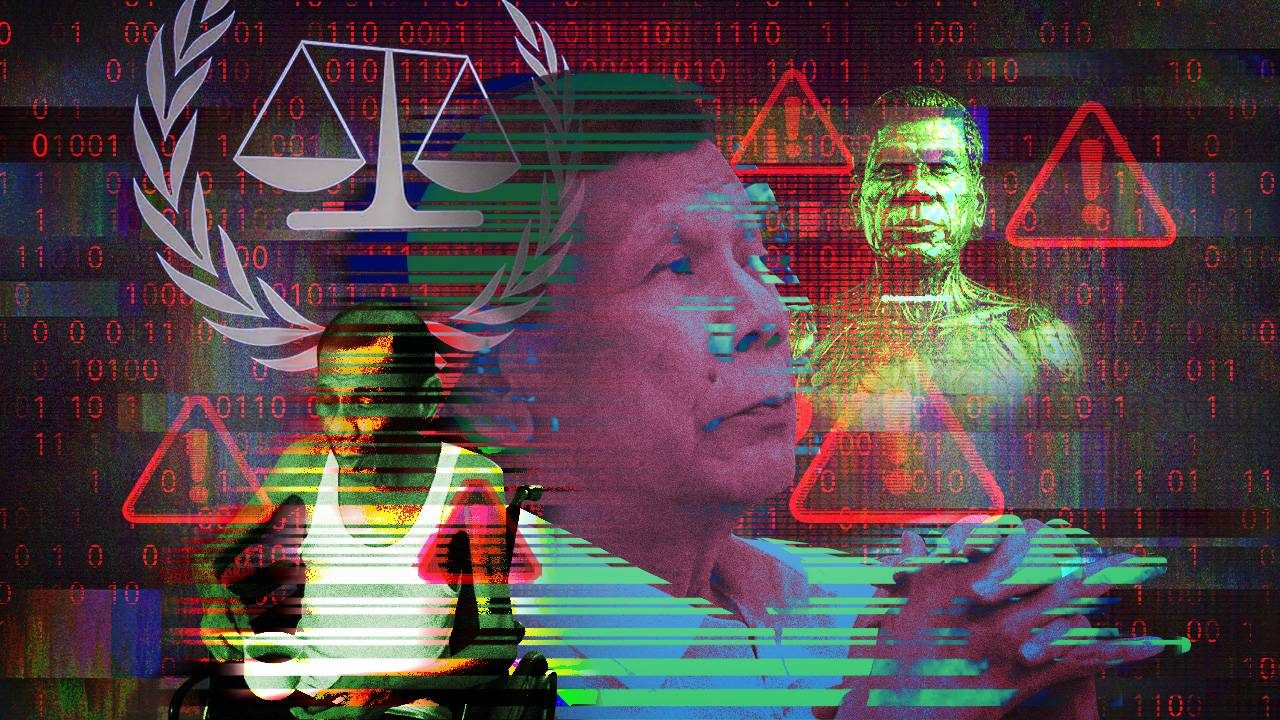
In the aftermath of Rodrigo Duterte’s arrest by the International Criminal Court (ICC) last year, a massive disinformation campaign has emerged, creating a parallel reality for many Filipinos following the case. The former president, arrested on March 11, 2025, faces charges of crimes against humanity for his notorious war on drugs, but online platforms have become battlegrounds where facts compete with fiction.
A year-long investigation reveals a coordinated network of pro-Duterte channels systematically spreading false information about his case. These fabrications range from claims about his release and return to Davao, to elaborate fictions about worldwide monuments built in his honor. Some even falsely report his death or deteriorating health to generate sympathy.
According to Rappler’s research, from March 2025 to February 2026, fact-checkers debunked 107 false narratives specifically related to Duterte’s ICC case, representing nearly 20% of all fact-checks conducted during that period. These falsehoods reached potentially millions of viewers across major social media platforms.
The most prevalent category of misinformation involves claims of Duterte’s release, with 42 unique false narratives identified. These typically feature manipulated videos, fake quote cards, and doctored images purporting to show ICC prosecutors announcing the dismissal of charges. Some fabrications even suggest President Ferdinand Marcos Jr.’s involvement in orchestrating Duterte’s supposed return to the Philippines.
Another significant category includes fabricated court updates, with 29 unique claims inventing nonexistent orders from world leaders or testimonies from ICC judges supposedly indicating Duterte’s innocence. Additionally, 26 false claims regarding jurisdiction and procedural law falsely suggest Philippine institutions have invalidated the ICC’s authority in the case.
“The goal is to blur the truth and fuel a groundswell of support for the former president,” noted the research team, highlighting how these disinformation efforts follow a calculated playbook to undermine the legal proceedings.
The campaign extends beyond traditional misinformation tactics, with prominent YouTube channels like Reaction TV PH (570,000 subscribers) and Pinoy Views & Opinion (nearly 1 million subscribers) amplifying these false narratives. The disinformation ecosystem has also embraced AI-generated content, with at least 21 deepfake claims debunked during May 2025 alone—a period coinciding with the Philippines’ midterm elections that benefited Duterte’s political allies.
Perhaps most disturbing is how the disinformation campaign targets the families of drug war victims. Social media accounts with hundreds of thousands of followers have deployed deepfakes to discredit these families, including AI-generated images showing relatives of victims with luxury goods, falsely suggesting they were financially motivated to seek justice.
When other narratives fail to gain traction, pro-Duterte channels resort to claims about his failing health or imminent death. Nine separate fact-checks have debunked rumors portraying him as too frail to stand trial, despite official ICC medical assessments confirming he is physically capable of participating in the proceedings.
As pre-trial hearings continue at The Hague, the wave of disinformation shows no signs of abating. The coordinated effort to shield Duterte from accountability represents a significant challenge for fact-checkers and journalists attempting to provide accurate coverage of this landmark case.
Legal experts note that this pattern of information manipulation is increasingly common in high-profile international criminal cases, where public perception battles often run parallel to courtroom proceedings. The ICC case against Duterte represents not just a legal reckoning for the Philippines’ controversial drug war but also a test of how democratic societies navigate the increasingly sophisticated landscape of digital disinformation.
Fact Checker
Verify the accuracy of this article using The Disinformation Commission analysis and real-time sources.

10 Comments
This case highlights the challenges of upholding international justice in the face of powerful political interests and online manipulation. It will be important to closely monitor the situation and ensure the integrity of the legal process.
Absolutely. Disinformation can undermine public trust and make it harder to hold leaders accountable. Rigorous reporting and fact-based analysis will be crucial.
It’s concerning to see how quickly and widely these false claims about Duterte’s case can proliferate online. Fact-checkers will really have their work cut out for them trying to stay on top of the deluge of disinformation.
This case underscores the urgent need for improved digital literacy and critical thinking skills among the public. People need to be better equipped to identify and resist manipulative online narratives.
Absolutely. Empowering citizens to be more discerning consumers of online information is crucial to countering the impact of coordinated disinformation campaigns.
The tactics described here – from fabricating Duterte’s release to falsely reporting his death – are quite brazen. It will be important for journalists and researchers to meticulously document these disinformation efforts to better understand and expose them.
Interesting to see how disinformation campaigns try to muddy the waters around high-profile cases like this ICC case against Duterte. It’s critical that the facts are diligently verified and false narratives debunked, no matter how persistent they may be.
Agreed, the scale and coordination of these campaigns is concerning. Fact-checking efforts will be essential to counter the flood of misinformation.
I’m curious to learn more about the specific tactics and networks being used to spread these false narratives around Duterte’s ICC case. Understanding the mechanics of these disinformation campaigns is key to developing effective countermeasures.
Yes, a detailed investigation into the source and spread of these falsehoods would be very insightful. Mapping out the coordinated effort behind them could shed light on broader disinformation trends.