


Listen to the article
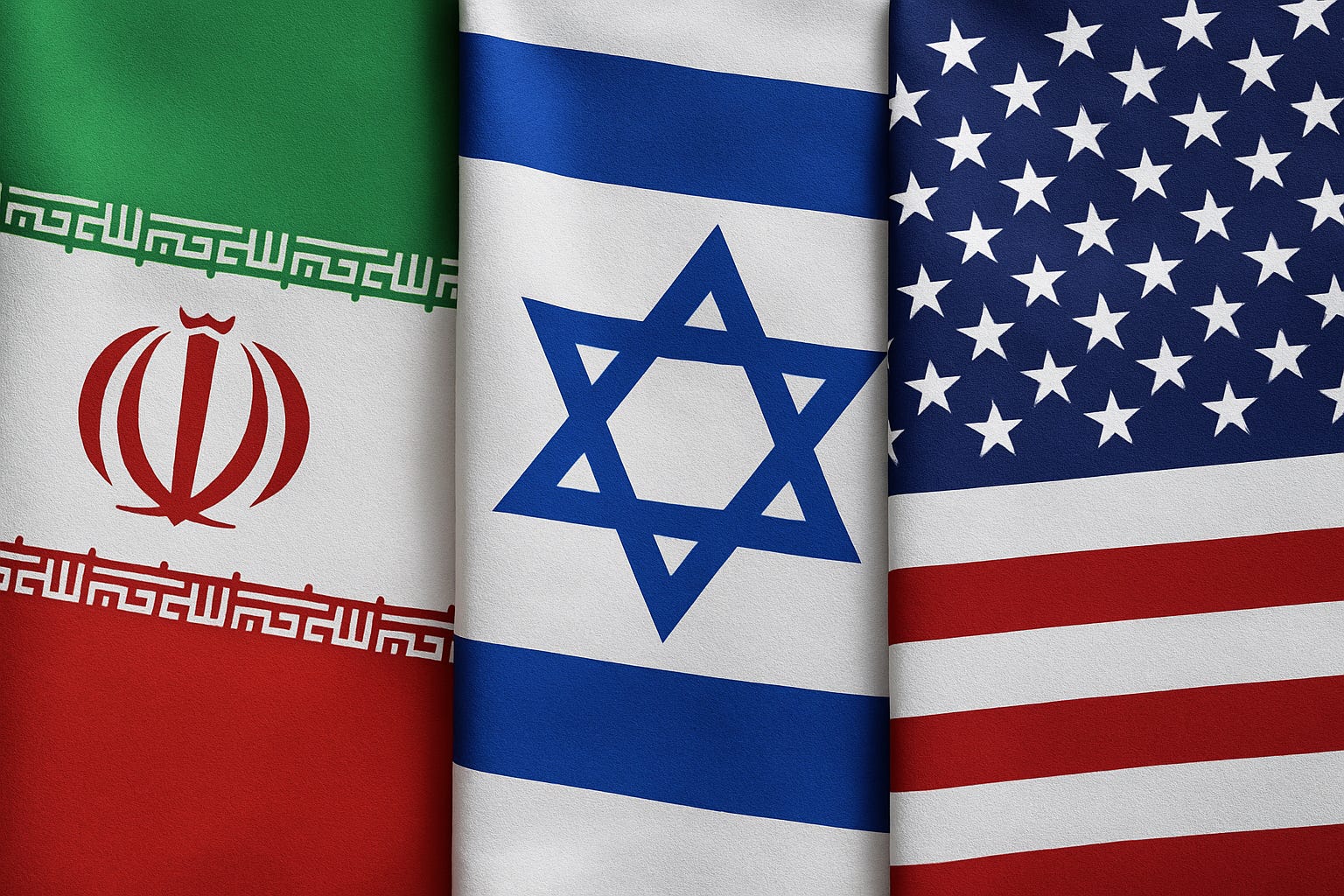
The ongoing US-Israel and Iran conflict has become a breeding ground for sophisticated disinformation campaigns, with artificial intelligence tools enabling the creation and spread of fake images and videos at an unprecedented scale.
The conflict escalated on February 28 when Israel launched pre-emptive missile strikes against Iran, targeting military facilities, infrastructure, and leadership sites. Shortly after the announcement, President Donald Trump stated the strikes were conducted in collaboration with the United States, as both nations continued exchanging strikes and counterstrikes with Iran. As tensions mounted, competing narratives emerged online, creating fertile ground for misinformation.
Researchers monitoring the situation have noted that the volume of AI-generated visuals related to this Middle East conflict exceeds anything observed in previous wars, signaling a troubling evolution in disinformation tactics. This represents a significant shift from earlier patterns seen during Russia’s 2022 invasion of Ukraine, when platforms were primarily flooded with crude fakes – recycled visuals, edited images, mislabeled footage, and clips from video games or unrelated events.
Today’s disinformation is far more sophisticated. High-quality synthetic videos and images created with readily accessible AI tools are increasingly difficult to detect and more convincing to audiences. Analysts have documented numerous instances of AI-generated videos and fabricated satellite imagery promoting false or misleading claims about the conflict. These materials have collectively garnered hundreds of millions of views online, substantially amplifying their reach and potential impact.
Social media platform X has drawn particular criticism as a hub for such disinformation, with ongoing questions about the effectiveness of its verification systems. In one notable case highlighted by disinformation expert Tal Hagin, X’s AI chatbot Grok “failed miserably” when asked to verify a post claiming Iranian missiles had struck Tel Aviv. According to Hagin, Grok incorrectly identified both the location and date of the video, which had originally been shared by Iranian state media. The chatbot reportedly worsened the situation by introducing AI-generated imagery as supporting evidence.
This evolving landscape presents significant challenges for journalism. The traditional gatekeeping role of journalists is eroding in an environment where synthetic content can be produced faster than it can be verified. The speed, scale, and sophistication of AI-generated disinformation now necessitate a shift from reactive fact-checking toward proactive verification systems, stronger newsroom protocols, and greater investment in digital forensics.
Meanwhile, audiences face increased vulnerability. Unlike earlier forms of misinformation that were often easier to identify, today’s AI-generated visuals are highly convincing and emotionally manipulative. In conflict situations, where fear, bias, and political allegiance shape perception, such content spreads rapidly and gains credibility. Platform algorithms exacerbate this problem by prioritizing engagement over accuracy, repeatedly exposing users to false information.
Addressing these challenges requires comprehensive approaches beyond isolated platform policies. Social media companies must move beyond reactive measures like demonetization and commit to stronger detection systems, transparent enforcement, and clearer labeling of synthetic media. Regulatory frameworks must evolve to hold platforms accountable for spreading and monetizing harmful disinformation.
Media literacy has become equally crucial. As Hany Farid, professor at the University of California, Berkeley, advises, staying accurately informed requires avoiding “random accounts” on social media during global conflicts and instead relying on established journalistic sources. Users need to develop skills to identify subtle flaws in AI-generated content, such as mismatched audio and video, unnatural lighting, inconsistent facial details, or visible watermarks from generation tools.
The current wave of AI-driven disinformation represents not just a technological problem but a structural one that challenges how information is produced, distributed, and consumed. For journalism, platforms, and audiences alike, adapting to this new reality has become not merely optional, but necessary for maintaining a functional information ecosystem during times of conflict and beyond.
Fact Checker
Verify the accuracy of this article using The Disinformation Commission analysis and real-time sources.

6 Comments
The scale and sophistication of AI-generated visuals related to this conflict is truly alarming. It’s crucial that platforms and fact-checkers remain vigilant in identifying and removing disinformation from these sources.
I agree, the proliferation of AI-generated fakes is a major threat to public discourse around this volatile situation. Maintaining transparency and combating misinformation will be critical.
Interesting analysis of how synthetic media is being used to distort the complex US-Israel-Iran conflict. This is a concerning trend that could undermine public understanding and escalate regional tensions even further.
As someone who follows geopolitics and energy markets, I’m curious to see how this synthetic media landscape evolves and impacts perceptions of the actual conflict dynamics between the US, Israel, and Iran.
This is an insightful analysis on a critical issue. The intersection of synthetic media, geopolitics, and energy security is an area that warrants close monitoring and research to understand the implications.
The use of AI tools to create and spread disinformation around military conflicts is a worrying development. It underscores the need for robust media literacy efforts to help the public navigate this complex information environment.