


Listen to the article
Officials across the healthcare spectrum are sounding alarms about an alarming uptick in medical misinformation and disinformation, which they say threatens public health and undermines trust in medical institutions.
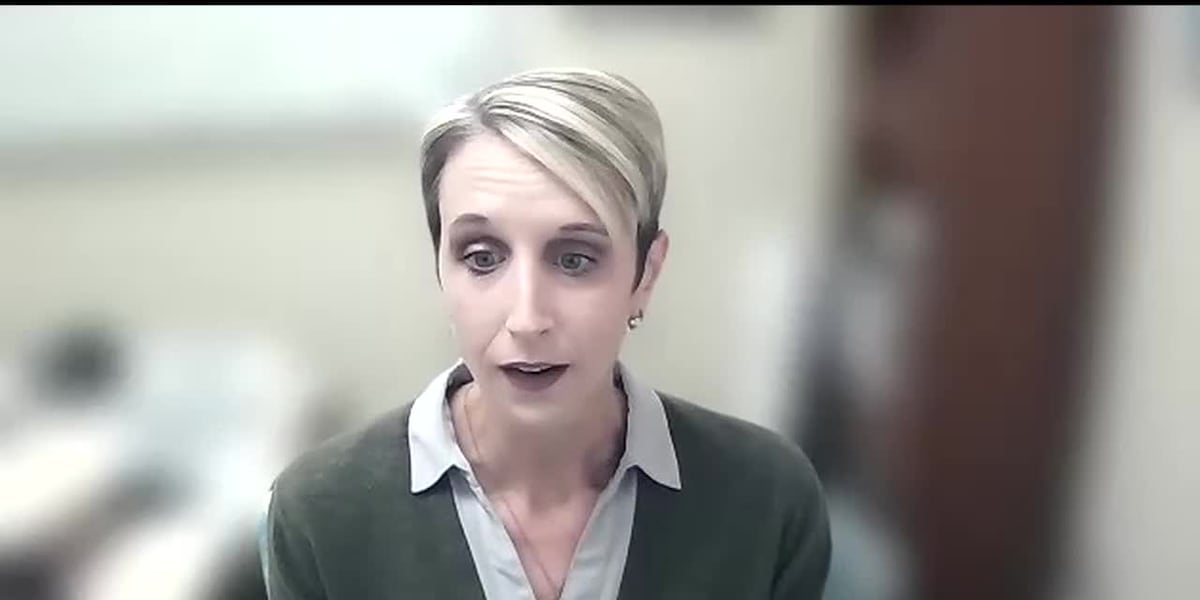
Dr. Patricia Winokur, Executive Dean of the University of Iowa Carver College of Medicine, warns that false health information has become increasingly sophisticated and widespread, particularly on social media platforms where verification mechanisms remain limited.
“The challenge we face today is unprecedented,” Dr. Winokur said. “Medical misinformation spreads faster than factual content, and it’s becoming harder for the average person to distinguish between legitimate health advice and dangerous falsehoods.”
Health officials distinguish between misinformation—incorrect information shared without malicious intent—and disinformation, which is deliberately created to mislead. Both forms have proliferated during recent public health crises, most notably during the COVID-19 pandemic when unfounded claims about vaccines, treatments, and the virus itself circulated widely.
The consequences of this information crisis extend beyond individual health decisions. A recent study from the American Medical Association found that nearly 67% of physicians have encountered patients who declined recommended treatments based on information found online or through social media channels.
Sam Jarvis, Community Health Manager with Johnson County Public Health, emphasizes the real-world impact of this trend. “We’ve seen preventable disease outbreaks directly linked to communities where misinformation has taken hold,” Jarvis explained. “When people avoid vaccines or established medical protocols based on false information, it creates vulnerability not just for them, but for entire communities.”
Healthcare institutions are now developing multipronged approaches to combat the problem. The University of Iowa Health Care has launched a digital literacy initiative aimed at helping patients evaluate online health information critically. The program teaches basic skills for assessing the credibility of medical claims, including checking source credentials, looking for peer-reviewed research, and consulting with healthcare providers before making significant health decisions.
“We’re trying to empower patients to be more discerning consumers of health information,” said Dr. Winokur. “It’s not about telling people what to believe, but giving them tools to make informed judgments.”
Local health departments are also adapting their communication strategies. Johnson County Public Health has increased its social media presence and created rapid response teams that address misinformation in real time. When false claims begin circulating locally, these teams quickly publish fact-based corrections through multiple channels.
“Speed matters,” Jarvis noted. “Once misinformation takes root, it becomes exponentially harder to correct. We need to be proactive rather than reactive.”
Medical experts point to several factors driving the misinformation surge. The democratization of publishing through social media has eliminated traditional gatekeepers that once verified information. Algorithm-driven content distribution often prioritizes engaging or controversial content over accuracy. Additionally, declining trust in institutions has created fertile ground for alternative narratives.
Dr. Megan Srinivas, an infectious disease specialist with the University of North Carolina and Iowa-based physician, believes addressing the problem requires collaboration across sectors.
“This isn’t just a medical issue—it’s a digital literacy issue, an education issue, and ultimately a societal issue,” Dr. Srinivas said. “We need tech companies, educators, healthcare providers, and community leaders working together on solutions.”
Some technology platforms have implemented fact-checking mechanisms and reduced the algorithmic amplification of dubious health claims, though critics argue these measures remain insufficient.
For individuals, experts recommend establishing trusted information sources, consulting healthcare providers with questions, and maintaining healthy skepticism toward dramatic or sensational health claims, especially those promoting “miracle cures” or conspiracy theories.
Despite the challenges, Dr. Winokur remains optimistic. “People fundamentally want reliable information about their health. By building stronger relationships between healthcare providers and communities, and by creating more transparency in how medical information is developed and shared, we can begin to reverse this trend.”
Healthcare leaders emphasize that the stakes extend beyond individual health decisions to the fundamental integrity of public health systems and scientific advancement. As medical misinformation continues evolving, so too must the strategies to combat it.
Fact Checker
Verify the accuracy of this article using The Disinformation Commission analysis and real-time sources.

10 Comments
As someone who follows mining and commodities news, I’ve definitely seen my fair share of misinformation and sensationalism. It’s concerning how quickly unsubstantiated claims can spread, especially on social media.
I agree, it’s a real challenge. We need to be vigilant about verifying information from reliable sources in this space.
This is a serious issue that deserves attention. Misinformation can have real and dangerous consequences for public health. It’s crucial that people seek out reliable, fact-based information from credible sources.
Absolutely. Fact-checking and verifying information sources is so important, especially on social media where false claims can spread rapidly.
I’m curious to learn more about the study mentioned that looked at the consequences of this ‘information crisis.’ What were some of the key findings?
That’s a good question. Understanding the wider societal impacts of medical misinformation is crucial for addressing this problem effectively.
This is an important issue that extends beyond just the healthcare sector. Misinformation can have far-reaching consequences across many industries and domains. Fact-based communication and media literacy are critical.
Absolutely. Combating the spread of misinformation requires a multi-faceted approach involving both institutions and individuals.
This is an important issue for the mining and energy sectors as well, where there can be a lot of uncertainty and misinformation around topics like environmental impact, safety, and new technologies. Clear, science-based communication is vital.
That’s a really good point. Transparency and factual information are crucial for maintaining public trust in these industries.