


Listen to the article
Philippines Orders Meta to Curb Disinformation on Economic Issues
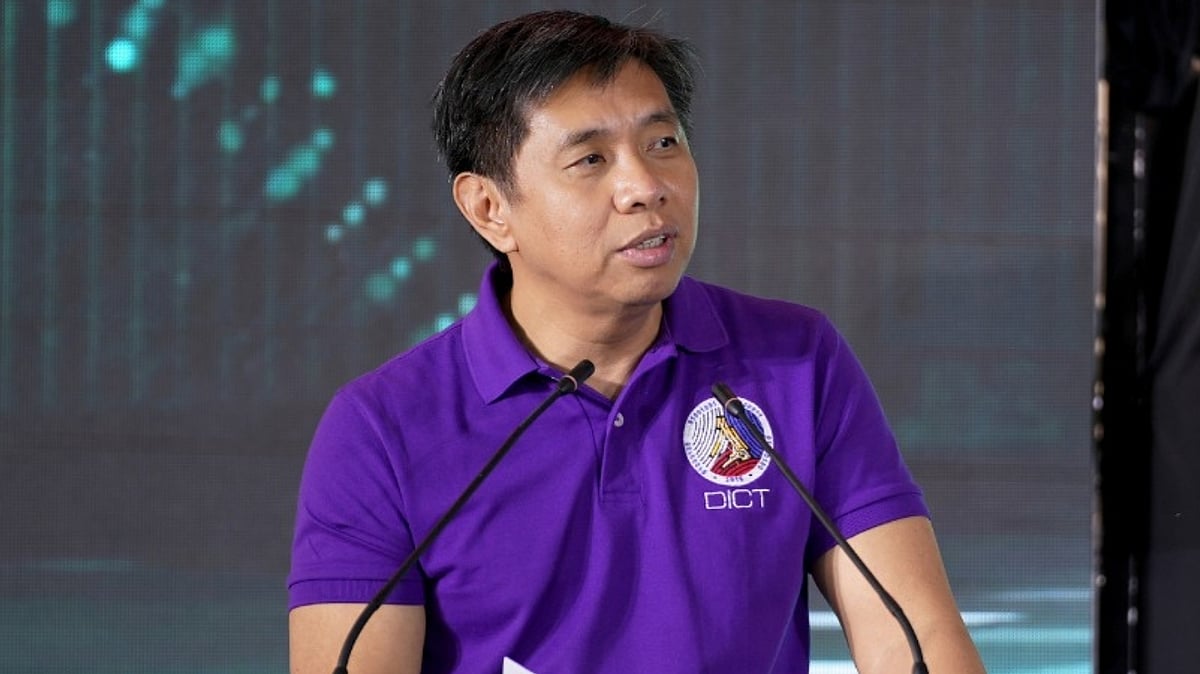
Philippine authorities have issued a directive to Meta, demanding stronger action against false information related to fuel prices, supply chains, and government policies circulating on its platforms. The Department of Information and Communications Technology (DICT) has given the tech giant 48 hours to acknowledge the order and one week to present a compliance strategy.
In a formal letter to Meta, DICT officials expressed urgent concerns about the spread of misleading content that they believe threatens national stability. “The rapid proliferation of false, misleading, and panic-inducing content — particularly relating to oil prices, economic disruptions, and government actions — poses a direct and escalating threat to public order, economic confidence and national security,” the agency stated.
The Philippines has been grappling with rising inflation and economic pressures in recent months, with fuel prices particularly sensitive to public sentiment. Officials fear that viral misinformation could exacerbate market volatility and consumer anxiety at a delicate economic moment.
DICT warned Meta that the proliferation of such content may violate Article 154 of the country’s Revised Penal Code and the Cybercrime Prevention Act of 2012, suggesting potential legal consequences for the platform if adequate measures aren’t implemented.
The government’s concerns focus specifically on what it terms “high-risk falsities” – fabricated claims about extreme fuel price increases, non-existent supply disruptions, and misrepresented government policies. According to DICT, such misinformation could trigger panic buying, artificial price distortions, and unnecessary hoarding of essential goods.
To address these concerns, Philippine authorities have outlined specific measures they expect Meta to implement. These include enhancing detection and removal systems for economic misinformation, creating an expedited channel for government agencies to flag problematic content, and establishing a dedicated senior-level contact available around the clock to handle urgent cases.
The government has also requested regular transparency reports detailing Meta’s enforcement actions against economic disinformation. Officials emphasized the need for clear response timelines to ensure swift action when potentially harmful content is identified.
This directive comes as many Southeast Asian nations increasingly scrutinize the role of social media platforms in spreading misinformation that affects economic stability. The Philippines, with its high social media usage rates, has been particularly vulnerable to the rapid spread of unverified claims.
Economic analysts note that social media-driven misinformation can have real market impacts, especially in economies where consumer sentiment plays a significant role in purchasing patterns. False claims about fuel shortages, for example, can lead to actual supply chain disruptions if they trigger panic buying.
Meta, which owns Facebook, Instagram, and WhatsApp, has faced similar regulatory pressures in other countries regarding its content moderation practices. The company has previously implemented special measures during elections and crises, but governments worldwide are increasingly demanding more permanent and robust solutions for ongoing misinformation challenges.
The Philippines’ approach represents a growing trend of governments directly engaging tech platforms on specific content issues rather than pursuing broader regulatory frameworks. How Meta responds to this directive could establish precedents for its operations in other markets facing similar concerns.
Neither Meta nor DICT has publicly commented on whether discussions have begun since the issuance of the letter, but the tech company typically engages with government requests through its regional policy teams before making public statements.
Fact Checker
Verify the accuracy of this article using The Disinformation Commission analysis and real-time sources.

13 Comments
The Philippine government is clearly taking a firm stance on curbing misinformation that could undermine economic stability and public confidence. Directing social media platforms to act more decisively is an interesting policy approach.
The spread of false information related to the economy and government policies is a growing concern globally. I’m curious to see how Meta responds to this directive and what strategies they propose to address the problem.
Social media platforms have struggled with this challenge, but need to find effective ways to quickly identify and remove misleading content, especially around sensitive economic topics.
It will be intriguing to see how Meta navigates this directive from the Philippine government. Developing robust systems to identify and remove misleading content around economic issues is a major challenge for social media platforms.
Fuel prices, supply chains, and government policies are all highly sensitive economic topics prone to misinformation. The Philippine authorities are right to be concerned about the potential for viral falsehoods to exacerbate market volatility and consumer anxiety.
Interesting to see a government directly ordering a tech company to address misinformation. The Philippine authorities seem intent on getting ahead of potential economic instability caused by viral falsehoods. It will be worth monitoring Meta’s response.
Yes, the 48-hour acknowledgement and one-week compliance timeline suggests the government views this as an urgent priority. Meta will need to move quickly to demonstrate an effective strategy.
Interesting move by the Philippine government to pressure social media platforms to combat economic misinformation. Tackling misleading content around fuel prices, supply chains, and policies is important to maintain stability and confidence during challenging times.
I agree, misinformation can have real-world impacts on markets and public sentiment. It’s good to see authorities taking proactive steps to address this issue.
Fuel prices and economic conditions are highly sensitive issues, so it makes sense for the Philippine government to be vigilant about combating misinformation in this space. Maintaining public trust is critical during times of uncertainty.
Absolutely, misinformation can have real consequences for markets and public confidence. Robust fact-checking and content moderation will be key for platforms like Meta to comply with directives like this.
Interesting move by the Philippine government to put the onus on Meta to proactively address misinformation related to fuel prices, supply chains, and economic policies. This could set an important precedent for how governments approach this issue.
Maintaining public trust during periods of economic uncertainty is critical. The Philippine authorities appear to view combating misinformation as an important part of preserving stability and confidence in the country.