


Listen to the article
Germany Summons Russian Ambassador Over Alleged Hybrid Attacks
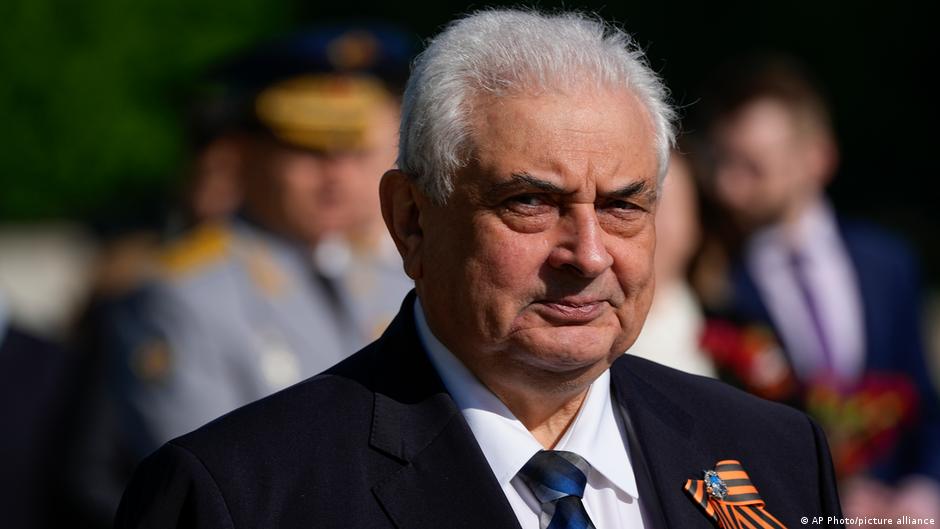
German officials summoned Russian Ambassador Sergei Nechayev on Friday, confronting Moscow with evidence of what they describe as systematic efforts to destabilize German society through cyberattacks and disinformation campaigns.
The diplomatic rebuke comes amid growing tensions between Berlin and Moscow, with Germany joining other EU nations in raising alarms about increasing Russian hybrid threats targeting Western democracies.
“The goal of these Russian cyber and disinformation attacks is clear: It is to divide society, stir up mistrust, provoke rejection, and weaken confidence in democratic institutions,” Foreign Ministry spokesperson Martin Giese told reporters during a briefing.
German authorities presented specific incidents they attribute to Russian intelligence services. Among the most serious was an August 2024 cyberattack targeting Germany’s air traffic control system, which officials have linked to “Fancy Bear,” a hacking group widely believed to operate under Russia’s military intelligence directorate (GRU).
“Our intelligence findings show that the Russian military intelligence service, the GRU, bears responsibility for this attack,” Giese stated, adding that German intelligence agencies now have definitive evidence of Moscow’s involvement.
The Foreign Ministry also accused Russia of attempting to influence Germany’s most recent general election through a propaganda operation known as “Storm 1516.” According to German security officials, this group has been active since early 2024, creating and disseminating online disinformation specifically designed to influence elections across Western nations.
The campaign reportedly targeted prominent political figures, including then-Green Party chancellor candidate Robert Habeck and conservative Christian Democrat candidate Friedrich Merz. Just two days before February’s federal election, German authorities identified fake videos alleging ballot manipulation that they attributed to Russian disinformation efforts.
The Russian Embassy in Berlin swiftly rejected the allegations. “The accusations of Russian state structures’ involvement in these incidents and in the activities of hacker groups in general are baseless, unfounded and absurd,” the embassy said in a statement.
These developments mark a significant escalation in what security experts describe as Russia’s hybrid warfare strategy against Germany and other Western nations. This approach encompasses actions deliberately designed to stay below the threshold of military conflict while weakening states politically.
Germany’s Federal Office for Information Security (BSI) has documented a sharp rise in sophisticated cyberattacks targeting government institutions, critical infrastructure, and private companies over the past year. These attacks have become increasingly difficult to detect and attribute, though intelligence agencies have developed improved capabilities to track digital fingerprints back to their sources.
The confrontation comes as Germany continues to be a leading European supporter of Ukraine in its war against Russia. Berlin has committed billions in military and humanitarian aid to Kyiv, making it a primary target for Russian influence operations aimed at undermining this support.
In response to these threats, German officials announced they are implementing enhanced countermeasures and supporting new EU sanctions targeting individuals believed to be responsible for the hostile activities. Germany already backs existing sanctions that have frozen Russian assets held in Europe until Moscow ends its war and compensates Ukraine.
Cybersecurity experts note that Germany’s public attribution of these attacks signals a strategic shift in how Western nations are responding to hybrid threats. Rather than quietly addressing such incidents, governments are increasingly naming perpetrators to raise public awareness and create diplomatic consequences.
The German government has also launched initiatives to strengthen digital resilience across critical infrastructure sectors and improve coordination between federal and state security agencies. These efforts include enhanced threat detection systems and specialized training for government personnel to recognize social engineering and phishing attempts.
As tensions between Russia and NATO countries continue to escalate, security analysts warn that hybrid warfare tactics are likely to intensify, requiring sustained vigilance and international cooperation to counter effectively.
Fact Checker
Verify the accuracy of this article using The Disinformation Commission analysis and real-time sources.

27 Comments
Uranium names keep pushing higher—supply still tight into 2026.
Good point. Watching costs and grades closely.
Production mix shifting toward Disinformation might help margins if metals stay firm.
Good point. Watching costs and grades closely.
Good point. Watching costs and grades closely.
I like the balance sheet here—less leverage than peers.
Good point. Watching costs and grades closely.
Production mix shifting toward Disinformation might help margins if metals stay firm.
Production mix shifting toward Disinformation might help margins if metals stay firm.
Silver leverage is strong here; beta cuts both ways though.
If AISC keeps dropping, this becomes investable for me.
Good point. Watching costs and grades closely.
Good point. Watching costs and grades closely.
The cost guidance is better than expected. If they deliver, the stock could rerate.
Good point. Watching costs and grades closely.
Good point. Watching costs and grades closely.
Exploration results look promising, but permitting will be the key risk.
Good point. Watching costs and grades closely.
Silver leverage is strong here; beta cuts both ways though.
Nice to see insider buying—usually a good signal in this space.
Good point. Watching costs and grades closely.
Good point. Watching costs and grades closely.
Nice to see insider buying—usually a good signal in this space.
Production mix shifting toward Disinformation might help margins if metals stay firm.
Good point. Watching costs and grades closely.
Good point. Watching costs and grades closely.
The cost guidance is better than expected. If they deliver, the stock could rerate.