


Listen to the article
Russia’s alleged hybrid warfare operations across Europe continue to intensify, according to intelligence sources and recent investigations. A new indictment has heightened concerns among European officials who are monitoring what appears to be a systematic campaign of sabotage, cyberattacks, and disinformation linked to Moscow.
The scale of suspected Russian-linked incidents has grown dramatically since the full-scale invasion of Ukraine began in February 2022. Data from recent investigations reveals that reported arson and serious sabotage events attributed to Russia have increased from just two incidents in 2022 to twelve in 2023, before surging to thirty-four cases so far in 2024—a seventeen-fold increase over the past two years.
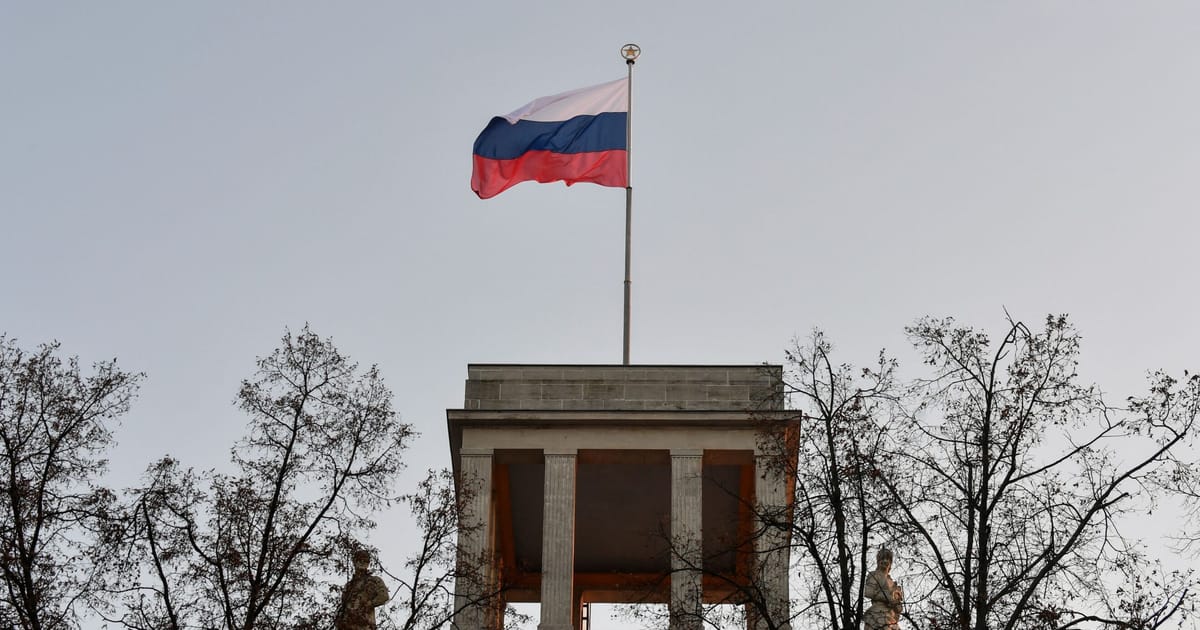
When contacted for comment, the Russian Embassy in Berlin did not provide an immediate response. This follows an established pattern where Moscow routinely denies involvement in such operations despite mounting evidence. Intelligence experts note that Russia frequently recruits Ukrainian nationals for espionage and sabotage activities, potentially to create plausible deniability and complicate attribution efforts.
The Norwegian Police Security Service (PST) added to these concerns in early February when it released an assessment predicting that Russian intelligence operations would further intensify through 2026. According to the PST report, potential targets include military installations, allied exercises, and infrastructure supporting Ukraine’s defense efforts.
Security analysts point out that these developments represent a broader strategy of hybrid warfare, where conventional military tactics are supplemented with asymmetric operations below the threshold of direct armed conflict. This approach allows Russia to exert pressure on European nations while maintaining a level of deniability that complicates coordinated responses.
“What we’re seeing is consistent with Russian doctrine that views information warfare and covert operations as legitimate tools of statecraft,” said a European security official speaking on condition of anonymity. “The challenge for NATO and the EU is developing effective countermeasures without triggering further escalation.”
The timing of these revelations is particularly significant as NATO and EU officials prepare to convene at the Munich Security Conference beginning this Friday. Transatlantic defense cooperation and strategies to counter Russian influence operations are expected to dominate the agenda, with several dedicated sessions planned to address hybrid threats.
European intelligence services have reportedly increased cooperation in recent months, sharing information about suspected Russian operatives and potential targets. This has resulted in several arrests across the continent, though officials acknowledge they are likely detecting only a fraction of ongoing activities.
The economic implications of these operations extend beyond security concerns. Insurance premiums for critical infrastructure have risen in several European countries, and companies with operations in multiple nations are investing more heavily in physical security and cybersecurity measures.
Energy infrastructure remains particularly vulnerable, with several suspected sabotage attempts targeting pipelines, storage facilities, and electrical substations over the past year. These incidents have contributed to market volatility and reinforced Europe’s determination to reduce dependence on Russian energy supplies.
As tensions persist, European nations face the complex challenge of balancing deterrence with de-escalation. The rise in sabotage incidents coincides with increased military aid to Ukraine and tougher sanctions against Russia, suggesting Moscow may view these covert operations as a form of retaliation with limited risk of direct military confrontation.
The continued escalation of such activities raises questions about the long-term implications for European security architecture and whether existing defense frameworks are adequately equipped to counter threats that deliberately operate in gray zones between peace and conventional warfare.
Fact Checker
Verify the accuracy of this article using The Disinformation Commission analysis and real-time sources.

12 Comments
This is a troubling escalation of Russia’s playbook of sowing chaos and division in Europe. The surge in suspected incidents is alarming and highlights the need for robust countermeasures to protect critical infrastructure and institutions.
Indeed. Hardening security, improving resilience, and exposing Russian disinformation should be top priorities for European leaders responding to these hybrid threats.
The apparent shift towards recruiting Ukrainian nationals for these sabotage activities is a worrying development. It highlights Russia’s adaptability in exploiting the conflict for its own strategic aims.
Russia’s blatant denial of involvement, despite mounting evidence, is typical of their playbook. The use of Ukrainian nationals adds another layer of complexity to attribution, making it crucial for European intelligence services to collaborate closely.
Interesting to see the data on the dramatic increase in suspected Russian-linked sabotage and arson events. This underscores the relentless nature of Moscow’s efforts to destabilize the region.
It’s concerning to see the scale of these alleged Russian operations expanding so rapidly. European officials must remain vigilant and take proactive steps to protect critical infrastructure and counter disinformation campaigns.
The alleged pattern of recruiting Ukrainians for espionage and sabotage is worrying. Russia seems to be weaponizing the conflict for asymmetric operations. European authorities must stay alert and share intelligence to combat this hybrid warfare threat.
Agreed. Maintaining strong coordination and information-sharing between European security services will be crucial to uncover and disrupt these covert Russian actions.
This is a concerning escalation of Russia’s campaign to destabilize Europe. Thorough investigations and robust countermeasures will be essential to combat these evolving hybrid threats.
This news underscores the need for a coordinated, multi-pronged approach to addressing Russia’s hybrid warfare tactics. Strengthening cybersecurity, improving physical security, and enhancing public awareness will all be crucial.
Concerning to see the reported rise in suspected Russian sabotage and disinformation ops across Europe. Undermining critical infrastructure is a serious threat. Thorough investigations and vigilance are needed to identify and disrupt these activities.
The data on the surge in suspected incidents is eye-opening. It’s clear that Russia is doubling down on its efforts to sow discord and undermine European stability through these covert operations.