


Listen to the article
In a significant escalation of regulatory scrutiny into media credibility organizations, ad-verification company Integral Ad Science (IAS) has been named among 16 entities under investigation by the U.S. Federal Trade Commission, according to recent court filings. The probe centers on allegations of advertiser boycotts targeting conservative media outlets.
The revelation came to light in February 2 amendments to a lawsuit filed against the FTC by the Global Disinformation Index (GDI), a nonprofit research group also caught in the investigation’s crosshairs. The legal documents explicitly state that “IAS is one of the other 16 non-profit entities that the FTC seeks information about” and “is one of the other 16 organizations that received a Civil Investigative Demand (CID) related to the Commission’s investigation.”
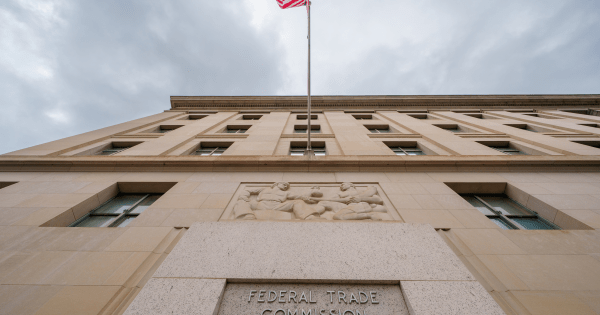
The FTC investigation, launched in June under the leadership of Trump appointee Andrew Ferguson, focuses on potential collusion among media credibility and news rating organizations to orchestrate boycotts of right-wing media platforms and publishers. The probe has employed CID letters—instruments similar to subpoenas that compel recipients to produce extensive documentation and respond to specific inquiries.
GDI’s lawsuit contends that the FTC’s actions are retaliatory and constitute a violation of First Amendment rights. The nonprofit alleges that the investigation has inflicted tangible harm on its business operations, notably citing that IAS severed its relationship with GDI amid the growing regulatory pressure.
In December, IAS publicly announced in a blog post that it would discontinue using GDI’s services to support its contextual brand safety product. “As part of IAS’s continuous efforts to improve its offerings for clients and maintain enhanced control over brand safety, IAS has determined to discontinue the use of the limited input from the Global Disinformation Index in our Context Control Avoidance solution,” the company stated. This decision ended a collaboration that had been in place since 2021.
GDI expressed concern about IAS’s decision, stating that the move “may leave all advertisers who use IAS tools less well protected from brand unsuitable content.” IAS declined to comment on the matter when approached, and the FTC did not respond to inquiries.
While the full roster of organizations that received CID letters remains undisclosed, Media Matters for America and Ad Fontes Media have confirmed receipt of such demands. Media Matters recently secured a preliminary injunction from a federal court, temporarily halting the FTC’s investigation into the organization. The court determined that the CID was “a retaliatory act” for Media Matters’ criticism of Elon Musk. GDI is now pursuing a similar injunction.
On February 6, NewsGuard added its name to the growing list of organizations pushing back against the FTC’s investigation, filing a lawsuit against the agency and chairman Ferguson. The complaint mirrors GDI’s allegations, claiming unlawful use of regulatory power to retaliate against and censor the organization. NewsGuard’s lawsuit makes the extraordinary claim that the FTC went as far as to prohibit ad agency holding company Omnicom from doing business with them.
The FTC’s investigation emerged less than a year after a congressional inquiry concluded that members of the Global Alliance for Responsible Media (GARM), a prominent coalition of advertising organizations, had colluded to withhold advertising spending from right-leaning outlets including Fox News, The Daily Wire, and Breitbart.
This finding prompted social media platform X, under Elon Musk’s leadership, to file a lawsuit against GARM and its parent organization, the World Federation of Advertisers, alleging they pressured advertisers into boycotting certain platforms including X. GARM ceased operations days after the lawsuit was filed.
The investigation represents a significant moment in the ongoing tension between media credibility organizations, advertisers, and conservative media outlets, with potentially far-reaching implications for how digital advertising is placed and monitored across the political spectrum.
Fact Checker
Verify the accuracy of this article using The Disinformation Commission analysis and real-time sources.

6 Comments
As an investor in the media and ad tech space, I’m very interested to see how this FTC probe plays out. The allegations of coordinated boycotts, if proven true, could have significant repercussions for the industry.
The FTC’s decision to investigate IAS and other media credibility organizations is an important development. I hope the probe is transparent and focuses on facts rather than political agendas.
Interesting development in the FTC’s investigation into potential media boycotts. I’m curious to see what the probe uncovers about the role of ad verification companies like IAS. Sounds like a complex issue around balancing media credibility and freedom of expression.
This is a complex and sensitive issue that touches on free speech, media bias, and the role of ad verification companies. I’ll be curious to see the FTC’s final findings and recommendations.
The FTC’s focus on potential collusion to boycott conservative media outlets is certainly raising eyebrows. I hope the investigation is thorough and impartial in examining the facts from all sides.
This investigation seems to be delving into some contentious issues around alleged political bias in the media and ad industry. I’ll be following this story closely to understand the different perspectives and potential implications.