


Listen to the article
Russian disinformation campaigns targeting Europe have prompted a joint call for democratic solidarity from French and German ambassadors to Japan. The diplomats warn that these hybrid attacks represent a growing threat that bridges European and Indo-Pacific security concerns.
In a recent attribution procedure, German authorities identified Russia as the orchestrator of “Storm 1516,” a sophisticated disinformation campaign designed to influence Germany’s federal election and undermine its democratic institutions. The operation deployed deepfake videos, fake news websites posing as legitimate journalism outlets, and fabricated “investigations” to spread unfounded allegations against political candidates. German intelligence agencies have traced the campaign to Russia’s military intelligence service (GRU), which coordinated these efforts through various affiliated organizations operating under its direction and financial support.
French authorities reached similar conclusions in their investigations, identifying parallel patterns of Russian interference. Both countries have linked the GRU-affiliated hacker collective APT28 to a series of coordinated attacks. In France, this group targeted the Olympic Games, public infrastructure, and various national entities in operations dating back to 2021. The consistent methodology across these incidents has established what officials describe as a clear pattern of hostile interference emanating from Moscow.
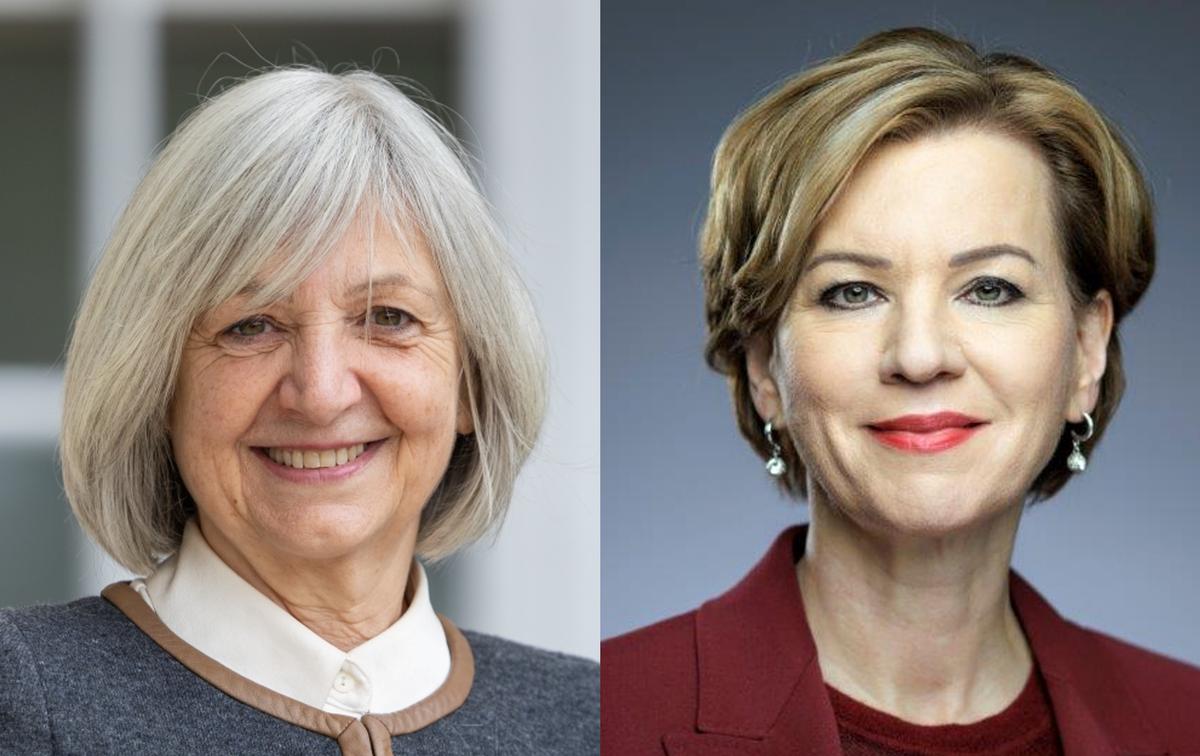
“Such operations not only endanger individual nations but also erode the collective resilience of democratic societies,” noted French ambassador-designate Béatrice Le Fraper du Hellen and German ambassador Petra Sigmund in their joint statement.
The public attribution of these attacks represents more than just a technical finding. It serves multiple strategic purposes: exposing hostile actors, maintaining transparency, and strengthening deterrence against future attacks. By identifying the sources of disinformation, democratic governments aim to preserve the credibility of free media and help citizens understand the mechanisms through which false narratives spread and social division is cultivated.
“Those who manipulate and deceive must know their actions will not remain in the shadows,” the ambassadors emphasized.
The European Union has already taken concrete measures in response to these hybrid threats. On December 15, the EU Council of foreign ministers imposed sanctions against twelve additional individuals and two entities linked to Russian disinformation operations. The Council also expanded the sanctions regime to ensure greater accountability for those involved in such activities.
“The message is clear: Those who threaten our security will face consequences,” the ambassadors stated, adding that the EU and member states remain committed to using all available tools to “protect, prevent, deter and respond to such malicious behavior.”
The diplomats described Russia’s behavior as that of “an aggressive power showing no restraint in pursuing domination through deceit,” underscoring that exposing such actors publicly is a crucial defense mechanism for democracies.
The growing interconnection between Europe’s information space and developments in the Indo-Pacific region highlights the global nature of these threats. When Moscow attempts to undermine international support for Ukraine, the effects ripple across regions, affecting security relationships worldwide.
France and Germany’s joint statement reflects a growing recognition that democratic nations must collaborate across traditional regional boundaries. “Democracies must adapt, innovate, and cooperate to safeguard the integrity of information,” the ambassadors concluded, emphasizing that confronting those who seek to divide democratic societies is essential to ensuring that open, informed public debate emerges stronger from these attacks.
As disinformation techniques grow more sophisticated, this call for democratic solidarity between European powers and Japan signals an emerging front in the defense of information integrity and democratic institutions globally.
Fact Checker
Verify the accuracy of this article using The Disinformation Commission analysis and real-time sources.

7 Comments
It’s alarming to see the scale and sophistication of these Russian disinformation efforts targeting European elections. Exposing and attributing the perpetrators is an important first step.
Deepfakes and fabricated news sites pose real challenges in the digital age. I’m glad to see France and Germany taking coordinated action to defend their democratic integrity.
Agreed. Vigilance and unity among democratic allies are essential to combat these evolving threats.
It’s encouraging to see European partners like France and Germany taking a strong, united stance against Russian interference. Disinformation is a cross-border challenge that requires a coordinated response.
The GRU’s involvement highlights the state-sponsored nature of these disinformation campaigns. Disrupting the funding and infrastructure behind these operations should be a priority.
Absolutely. Exposing the actors and their methods is crucial to develop effective countermeasures.
This is a concerning development. Disinformation campaigns can undermine democratic processes and institutions. Strengthening international cooperation is crucial to counter these hybrid threats effectively.