


Listen to the article
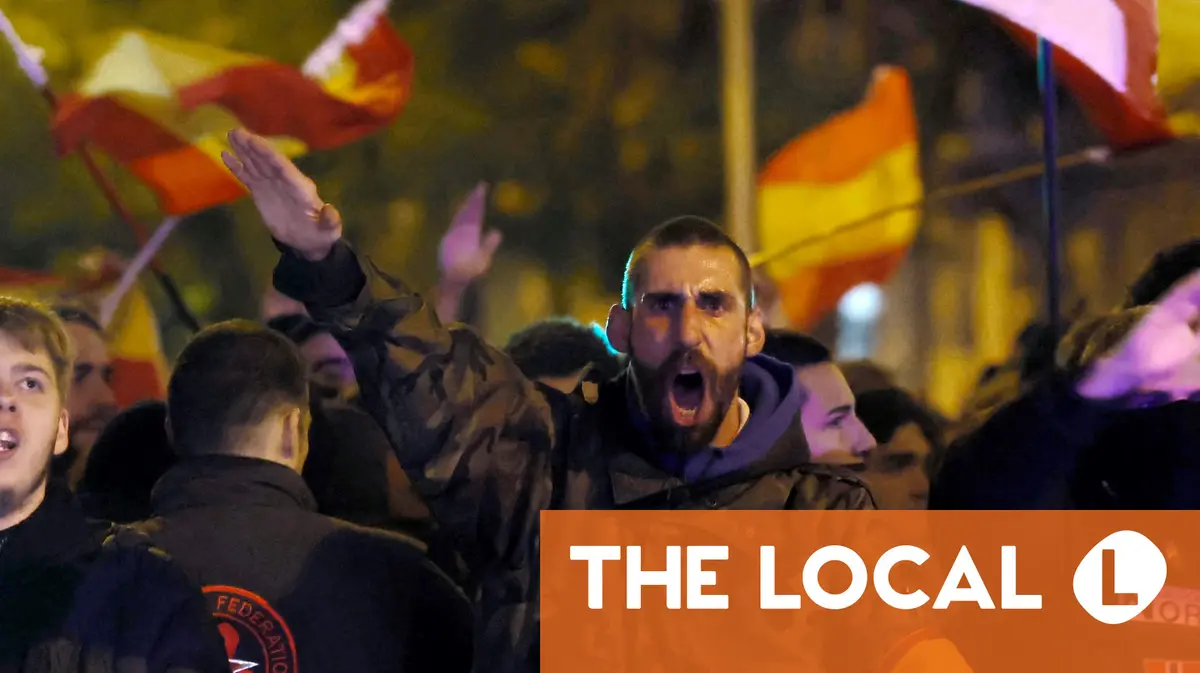
In the aftermath of Francisco Franco’s death, Spain continues to grapple with the dictator’s legacy as social media becomes the latest battleground for historical narratives. False claims glorifying Franco’s regime have gained traction online, painting a nostalgic picture of life under the dictator who ruled Spain with an iron fist from 1939 to 1975.
Experts are raising alarms about this trend. “There is little knowledge of our history,” explains Jordi Rodriguez Virgili, professor in political communication at the University of Navarre. This historical ignorance, combined with the emotionally charged and polarizing nature of discussions about Franco, creates fertile ground for misinformation to flourish.
The viral phrase “Life was better under Franco” has gained popularity among those who attribute various social achievements exclusively to the dictator. However, closer examination reveals a more nuanced reality.
One persistent myth credits Franco with building Spain’s reservoir and dam infrastructure. While the regime did construct water management systems, this narrative overlooks significant pre-Franco developments. A General Plan for Irrigation Canals and Reservoirs existed in the early 20th century, and Franco’s predecessor, dictator Miguel Primo de Rivera (1923-1930), established water management institutions that remain operational today.
Many of Franco’s water projects actually continued or revived initiatives begun during the Second Republic—the democratic government Franco overthrew in the Spanish Civil War. History lecturer Matilde Eiroa San Francisco notes that some of these projects involved flooding villages and relied heavily on the labor of political prisoners.
Social media posts frequently claim Franco established Spain’s social security system in 1942, portraying him as a champion of workers’ rights. The reality is more complex. Spain’s first social protection measures date back to 1900, with a pension scheme established in 1919, mandatory maternity coverage in 1923, and unemployment benefits introduced in 1931.
Daniel Pérez del Prado, secretary general of the Spanish Association of Labour Law and Social Security, points out that Franco’s regime primarily consolidated existing benefits under the “Social Security” name in 1963, rather than creating them from scratch. Even paid holidays, often attributed to Franco, were initially granted by the Second Republic, which established seven days of annual leave in 1931. The current Spanish standard of 21 days only came into effect in 1976—after Franco’s death.
Housing is another area where misinformation flourishes. Social media messages claim Franco built four million government-supported homes while contrasting this with an alleged lack of progress under current Prime Minister Pedro Sánchez. However, Alfonso Fernández Carbajal, professor in applied economics at the University of Navarra, has found that 3.4 million homes received government support between 1943 and 1975, with less than 22 percent designated for low-income residents.
Under Sánchez’s government, which has been in power since 2018, over 66,000 homes have been classified as “protected”—meaning they benefit from government subsidies and price controls. Fernández Carbajal cautions against direct comparisons between Franco’s centralized dictatorship and modern Spain’s democratic, decentralized system where regional governments have significant responsibility for housing policy.
This spread of misinformation underscores a broader challenge facing Spanish society as it continues to reckon with its past. The gaps in historical understanding, particularly among younger generations with no direct experience of the Franco era, make it easier for simplified or distorted narratives to gain traction.
As Spain approaches half a century since Franco’s death, the struggle over historical memory and interpretation demonstrates that the dictatorship’s legacy remains a deeply contentious issue in the nation’s politics and culture.
Fact Checker
Verify the accuracy of this article using The Disinformation Commission analysis and real-time sources.

11 Comments
The persistence of disinformation around Franco’s legacy highlights the challenges of navigating history in the digital age. Emotional and polarized discussions create fertile ground for false claims. Fact-checking and education will be key to countering this.
While some may feel nostalgic for the past, we must be wary of romanticizing authoritarian rule. The construction of infrastructure under Franco’s regime does not justify the repression and human rights abuses of that period. A more nuanced view is needed.
Interesting to see how social media has become a battleground for historical narratives. The ability to quickly spread misinformation is a concerning trend that requires vigilance and fact-checking to counter.
Absolutely. The digital age has amplified the spread of disinformation, making it even more important to rely on authoritative sources and historical evidence when discussing the past.
The persistence of disinformation around Franco’s legacy is a cautionary tale about the power of social media to shape historical perceptions. We must be diligent in challenging false claims and promoting a more nuanced understanding of the past.
Well said. Emotional appeals and nostalgic narratives can easily overshadow the complex realities of history. Fact-based education and critical thinking are crucial to counter the spread of misinformation.
This is a concerning trend. Glorifying dictatorial regimes and spreading misinformation is dangerous, as it can obscure the nuanced realities of history. We must be vigilant in challenging such narratives and promoting factual, balanced understanding.
The article raises important points about the need for greater historical awareness to combat the spread of disinformation. Emotional discussions and polarized narratives can obscure the nuances of the past, making it crucial to rely on authoritative sources and evidence-based analysis.
The article raises important points about the need for greater historical awareness to combat the spread of disinformation. Examining claims objectively and understanding the nuances of the past is crucial, especially when discussions become emotionally charged.
Agreed. Emotional appeals and nostalgic narratives can cloud our understanding of history. A balanced, fact-based approach is essential.
This article highlights the ongoing battle to preserve historical truth in the digital age. Authoritarian regimes and their legacies must be examined objectively, not romanticized. Promoting factual understanding is essential to prevent the spread of disinformation.