


Listen to the article
France Launches Comprehensive Plan to Combat Health Misinformation
France’s Health Ministry has unveiled an ambitious strategy to fight health misinformation, which it describes as “one of the vectors of attack on democracy” facing the country. The multi-pronged approach aims to address the growing problem of false health information that has plagued France, particularly since the COVID-19 pandemic.
Health Minister Stephanie Rist announced the plan following the submission of a major report on health information and misinformation in France. The initiative builds upon preliminary measures introduced by her predecessor, Yannick Neuder.
“When false information circulates faster than science, it is the most vulnerable who pay the heaviest price. And, faced with this, the State cannot remain silent or simply react to each incident,” Rist stated during a press conference.
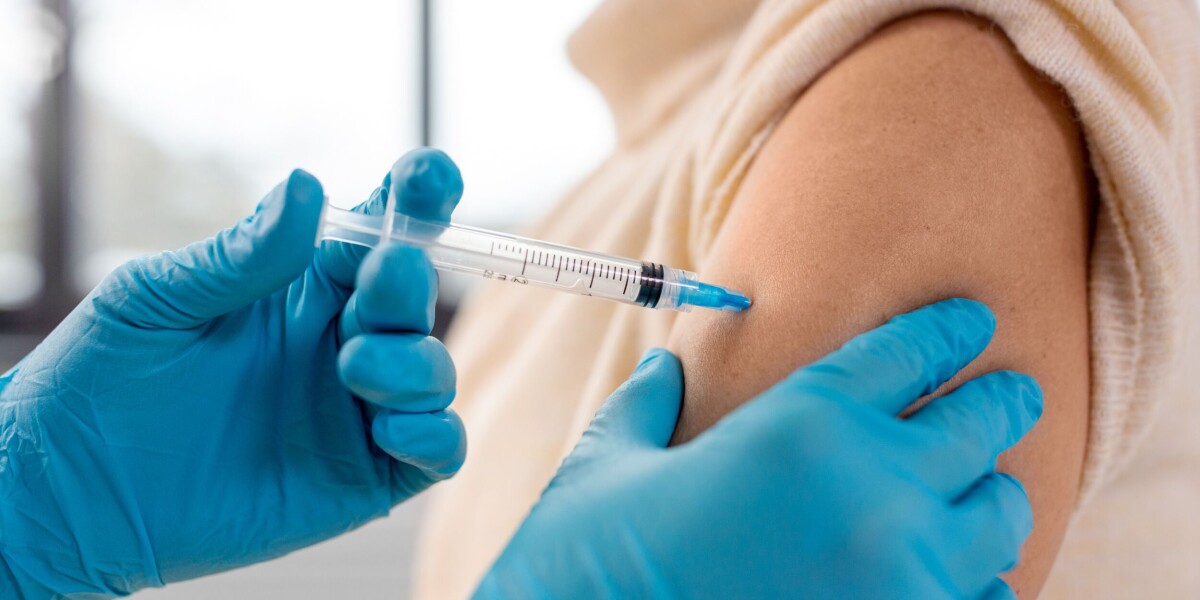
The COVID-19 pandemic served as a stark reminder of how quickly health misinformation can spread and its potential consequences. Vaccines in particular became targets of widespread disinformation campaigns across France, complicating public health efforts during the crisis.
The ministry’s strategy comprises four key elements. First, beginning in April 2026, a public barometer will assess national beliefs regarding health disinformation by compiling data from various opinion polls. Complementing this, a citizens’ committee on misinformation will be established next month to evaluate the issue from a public perspective.
Second, a dedicated “Health Disinformation Observatory” will be created to share information with ministry partners, including media outlets, learned societies, professional bodies, and healthcare practitioners. While its final structure remains under development, the ministry emphasized that “its governance and the mechanisms for guaranteeing its independence are under consideration.”
The third component involves implementing a new information monitoring system designed to identify misinformation spreading online and rapidly develop counter-measures with accurate information. This system will “mobilize a community of allies” including Regional Health Agencies, supervisory bodies, research institutes, experts, journalists, and social media influencers to craft effective responses.
These corrective messages will be primarily distributed through platforms like Instagram and TikTok, where misinformation tends to proliferate quickly. While the ministry is expected to oversee both the observatory and monitoring system, some stakeholders have called for independent management to ensure they don’t become tools for partisan political interests.
Regardless of its final organizational structure, Minister Rist confirmed the observatory “will have an oversight committee that will report annually to Parliament,” providing a mechanism for accountability.
The fourth element focuses on tackling health misinformation through education, aiming to improve trust in the healthcare system “from nursery to nursing homes.” This includes incorporating lessons about recognizing and responding to health misinformation into educational programs, with particular emphasis on high-level research courses.
The ministry did not disclose the initiative’s budget in its announcement.
Some experts had proposed implementing an “Info-Score” rating system for health claims, similar to France’s “Nutri-score” food labeling system. This would evaluate information based on source credibility, scientific validation, and potential conflicts of interest. However, Minister Rist indicated the government is “not ready to put a grade on information” at this time.
Future expansions of the campaign may include stronger protections for experts who actively combat disinformation online, as well as potential sanctions for those found to be deliberately spreading false health information.
This comprehensive approach reflects growing concern among French officials about the impact of health misinformation on public health outcomes and democratic discourse, particularly as digital platforms continue to accelerate the spread of unverified claims.
Fact Checker
Verify the accuracy of this article using The Disinformation Commission analysis and real-time sources.

18 Comments
This is a complex challenge, but France’s focus on protecting the most vulnerable is commendable. Addressing the speed at which misinformation spreads online will be critical.
Absolutely. The COVID-19 pandemic really underscored how quickly false narratives can take hold and undermine public health efforts. A proactive, multi-faceted approach is warranted.
Disinformation can have serious public health consequences, so I’m glad to see France taking decisive action. Curious to learn more about the specific elements of their new strategy.
Me too. The details around educating the public, regulating platforms, and strengthening scientific communication will be key to its success.
This is an important initiative, and I’m interested to see how France’s new strategy unfolds. Addressing the spread of false health information is critical for protecting public wellbeing.
Agree, the COVID-19 pandemic has really highlighted the dangers of misinformation. France’s focus on educating the public and regulating platforms seems like a sensible approach.
Addressing health misinformation is critical, especially in the digital age. France’s comprehensive strategy seems like a thoughtful approach to combating this challenging issue.
Agreed, the multi-pronged nature of the plan is encouraging. It’s important for governments to stay vigilant and adapt as misinformation continues to evolve.
Glad to see the French government taking this issue seriously. Misinformation can have devastating real-world consequences, so a comprehensive response is needed.
Absolutely. Vaccines in particular have been a major target, so addressing that will be crucial. Curious to learn more about their specific plans for regulating online platforms.
France’s new strategy sounds like a positive step, but the challenge of combating health misinformation is daunting. Curious to see how effective the various elements of their plan will be.
Agreed, it’s a complex issue without easy solutions. Strengthening scientific communication and educating the public will be key, but regulating platforms will also be crucial.
Tackling health misinformation is essential for maintaining trust in public institutions and science. France’s initiative seems like a good model for other countries to consider.
Agree, the stakes are high. Curious to see if this strategy can serve as a blueprint for coordinated global efforts to combat this growing threat to public health.
Combating health misinformation is a significant challenge, but France’s comprehensive plan is a step in the right direction. I’m curious to see the specific details and implementation.
Absolutely. Strengthening scientific communication and protecting vulnerable populations will be key. Curious to see if this strategy can serve as a model for other countries facing similar issues.
Misinformation is a serious threat to public health, so I’m glad to see France taking decisive action. A multi-pronged approach seems necessary to address this growing challenge.
Absolutely. Curious to see if this strategy can serve as a model for other countries grappling with similar issues. Coordinated global efforts may be needed to truly combat health misinformation.