


Listen to the article
Turkish Business Leaders Receive Suspended Prison Sentences for Government Criticism
Two prominent Turkish business leaders received prison sentences on Friday for “disseminating misleading information” following public criticism of government policies, highlighting ongoing tensions between Turkey’s business community and President Recep Tayyip Erdogan’s administration.
Orhan Turan, former head of the Turkish Industry and Business Association (TUSIAD), and Omer Aras, former chair of TUSIAD’s High Advisory Council, were each sentenced to one year, three months, and 18 days in prison. However, both men will not actually serve time behind bars as the court deferred their sentences.
The deferral means that if neither defendant commits another crime within the next five years, the sentences will not be enforced and the cases will effectively be dismissed. This provision applies because both men lack prior criminal records and received sentences under two years in length.
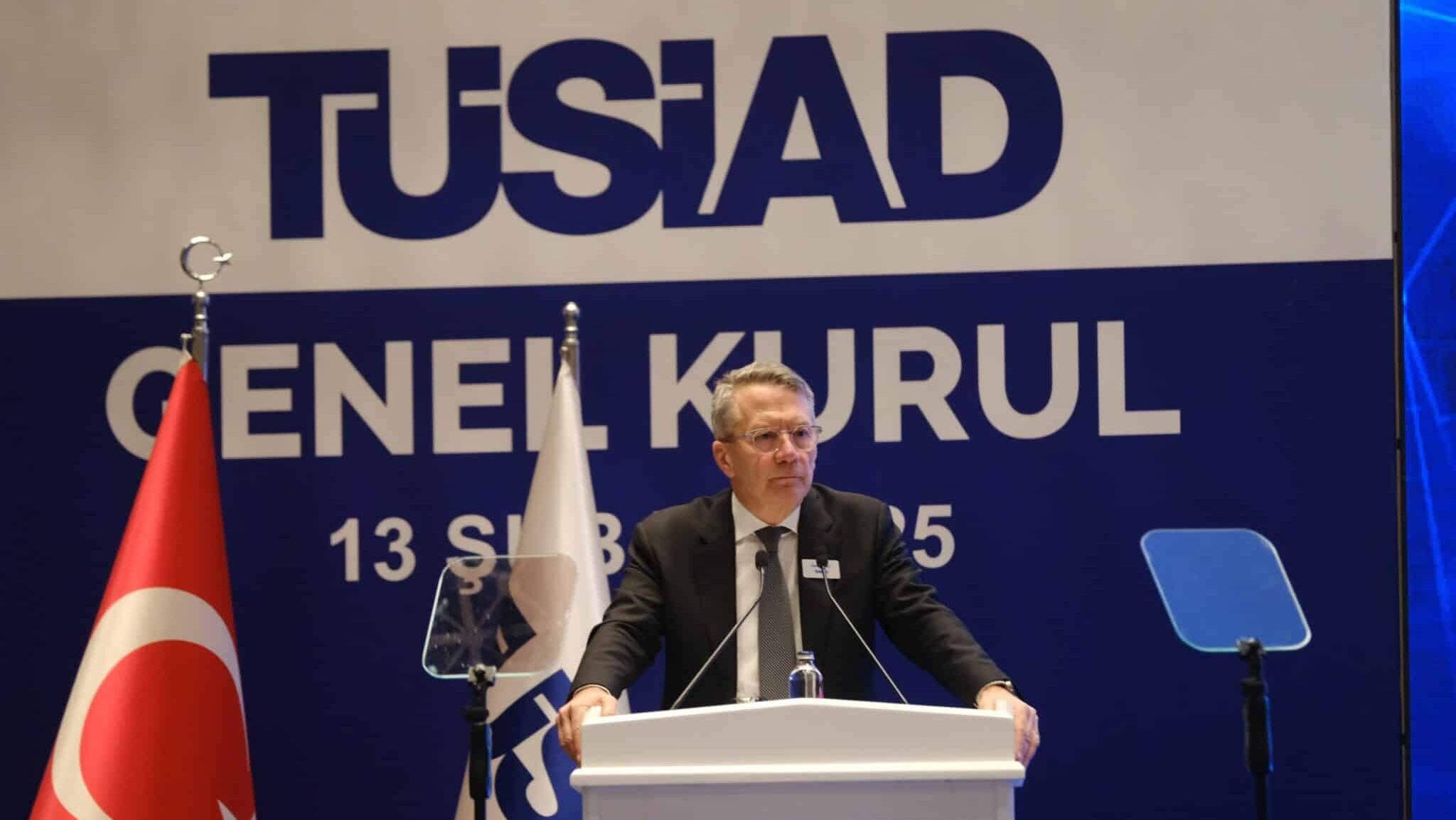
The charges stem from comments made by Aras at TUSIAD’s general congress in February 2025. Amid what critics describe as a government crackdown on opposition figures, journalists, and dissenters, Aras delivered a speech questioning the government’s commitment to the rule of law.
“As all citizens are equal before the law, the state is also bound by the law. Governance at all levels should be based on legal rules, not arbitrary decisions. If trust in the law collapses, insecurity, instability, and uncertainty spread everywhere,” Aras stated during the congress.
This public critique provoked a swift and forceful response from President Erdogan’s government, which accused Aras of interfering with the rule of law. Subsequently, both Aras and Turan found themselves under investigation and facing serious charges.
During his court defense, the 72-year-old Aras expressed disbelief at the proceedings. “As someone who has never been to court in my 72 years of life, I do not accept that a speech, made for the development of the country, is being portrayed as a crime,” he stated, according to the T24 website.
The two business leaders faced dual charges of “attempting to influence fair trial proceedings” and “publicly disseminating false information.” While the court upheld the latter charge, both men were acquitted of attempting to influence trial proceedings.
TUSIAD represents a substantial economic force in Turkey, serving as the country’s largest business association with nearly 4,500 member companies. These businesses collectively generate 85 percent of Turkey’s total foreign trade volume, provide more than 50 percent of private sector employment, and account for 80 percent of corporate tax revenue.
The sentences come during a period of increased government sensitivity to criticism, particularly from influential economic stakeholders. Turkey has faced significant economic challenges in recent years, including currency devaluation, high inflation, and investor concerns about economic management and judicial independence.
Neither Aras nor Turan sought to continue their leadership roles at TUSIAD during the organization’s most recent congress on January 15, having stepped down prior to these legal proceedings.
The case has drawn attention from international business and human rights organizations, which view it as part of a broader pattern of using legal mechanisms to silence government critics across various sectors of Turkish society.
Analysts note that the relationship between Turkey’s business elite and the Erdogan government has grown increasingly strained as economic policies and concerns about democratic backsliding have impacted investor confidence and business operations throughout the country.
Fact Checker
Verify the accuracy of this article using The Disinformation Commission analysis and real-time sources.

9 Comments
While disinformation is a serious issue, criminalizing commentary from business leaders seems like an excessive response that could undermine Turkey’s economic stability and international reputation. I hope the authorities can find a more balanced approach.
This case highlights the delicate balance between national security and civil liberties that many countries grapple with. I hope Turkey can find ways to address legitimate concerns about disinformation without resorting to heavy-handed tactics that damage democratic institutions.
It’s concerning to see prominent figures facing criminal charges for criticizing the government, even if the sentences were ultimately deferred. This raises questions about the state of freedom of expression and the independence of the business community in Turkey.
It’s troubling to see prominent business figures facing criminal charges for voicing criticism of the government. This appears to be part of a broader pattern of suppressing dissent in Turkey. I wonder how this will impact the business environment and foreign investment.
The suspended sentences suggest the Turkish authorities wanted to send a message without the PR fallout of jailing these business leaders. However, this still sets a troubling precedent that could chill free speech and independent criticism.
This seems like a concerning case of the Turkish government cracking down on dissent and criticism from the business community. I’m curious to learn more about the context and implications for the country’s political and economic climate.
Agreed, this raises worrying questions about freedom of speech and the independence of business leaders in Turkey. The deferred sentences suggest the authorities are trying to send a message without the full PR fallout of jailing these individuals.
This case highlights the delicate balance between national security and civil liberties that many countries grapple with. I hope Turkey can address legitimate concerns about disinformation without resorting to tactics that damage democratic institutions and the business environment.
While I understand the government’s desire to maintain stability, criminalizing commentary from the business community seems like an overreach that could backfire economically. Healthy debate and constructive criticism are important for any country’s development.