


Listen to the article
Bulgaria Activates Counter-Disinformation Mechanism Ahead of April Elections
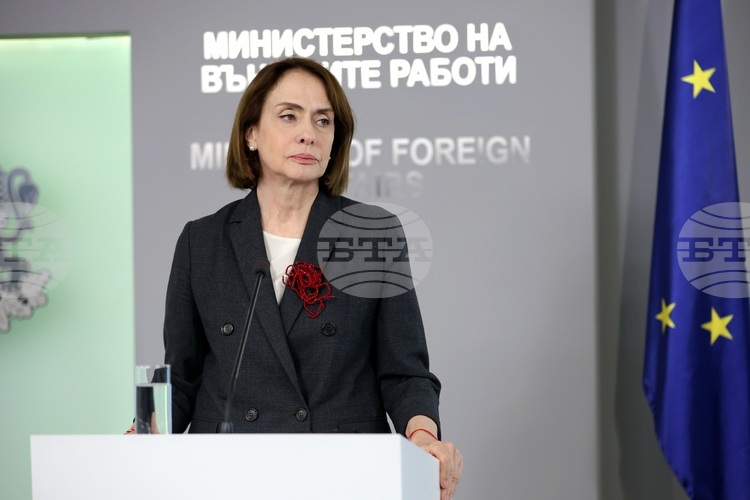
Bulgaria’s Caretaker Foreign Minister Nadezhda Neynsky has established a temporary coordination mechanism within the Ministry of Foreign Affairs to counter disinformation and combat hybrid threats as the country approaches its early parliamentary elections on April 19. The new structure began operations on March 23, reflecting growing concerns about information manipulation during the election period.
The mechanism aims to strengthen Bulgaria’s information resilience amid what officials describe as an expected surge in disinformation campaigns specifically targeting foreign policy matters. Ambassador-at-Large for Resilience Building Maria Spassova will lead the initiative, with Deputy Foreign Minister Velizar Shalamanov providing oversight.
“The current geopolitical climate makes Bulgaria particularly vulnerable to information manipulation,” a diplomatic source explained. “With elections approaching, foreign actors often increase attempts to influence public opinion through coordinated disinformation campaigns.”
The counter-disinformation unit will function as an internal working group, bringing together expertise from various departments within the Foreign Ministry. This integrated approach reflects Bulgaria’s growing recognition that hybrid threats require coordinated responses across traditional diplomatic divisions.
Among the group’s core responsibilities will be centralized monitoring and analysis of potential disinformation and external interference. The team will prepare risk assessments and analytical reports for ministry leadership, with particular attention to potential threats to voting processes for Bulgarian citizens living abroad. Overseas voting has previously been identified as potentially vulnerable to manipulation attempts.
The mechanism will also coordinate the ministry’s communication responses to identified threats, developing strategic messaging to counter false narratives. Officials emphasized that engaging with international partners, particularly through EU and NATO structures, will be essential to the group’s effectiveness. Bulgaria has increasingly aligned with broader European efforts to combat disinformation, particularly since Russia’s full-scale invasion of Ukraine heightened concerns about information warfare.
The government reported earlier on Monday that authorities have already observed an increase in both security alerts and pretrial proceedings related to the upcoming elections. This suggests Bulgarian security services are actively monitoring potential interference, though specific details about the nature of these incidents were not disclosed.
Civil society organizations and academic experts will also be brought into the initiative, reflecting a growing consensus among security professionals that countering disinformation requires collaboration beyond government institutions alone.
Bulgaria’s parliamentary elections on April 19 come after previous attempts to form a stable government failed, leaving the country in a state of political uncertainty. The nation has held multiple inconclusive elections in recent years, creating conditions that security experts warn are particularly favorable for external interference.
The establishment of this mechanism aligns with similar efforts across the European Union, where concerns about information manipulation have intensified since the 2016 Brexit referendum and U.S. presidential election, both of which saw significant disinformation campaigns.
As Bulgaria navigates this election period, the effectiveness of this new coordination mechanism will likely serve as a test case for the country’s broader resilience against information threats in an increasingly complex security environment.
Fact Checker
Verify the accuracy of this article using The Disinformation Commission analysis and real-time sources.

26 Comments
Curious to learn more about the specific tactics and approach this temporary coordination mechanism will use to identify and counter disinformation. Transparency will be key.
Absolutely. The foreign ministry will need to strike a balance between effective action and preserving public trust. I hope they provide regular updates on their progress.
Establishing a dedicated counter-disinformation unit within the Foreign Ministry is a smart move. Addressing hybrid threats requires a coordinated, whole-of-government approach.
Absolutely. Tackling disinformation effectively often necessitates collaboration across various government agencies and stakeholders.
It’s encouraging to see the Bulgarian government taking decisive action to combat disinformation and strengthen information resilience ahead of the elections.
Agreed. Proactive measures to identify and counter hybrid threats are crucial in the current geopolitical landscape.
The surge in disinformation campaigns targeting foreign policy matters is a concerning trend. Bulgaria’s proactive stance is a step in the right direction.
Absolutely. Safeguarding the integrity of the electoral process from foreign interference should be a top priority for any democratic government.
Establishing a dedicated counter-disinformation unit within the Foreign Ministry is a prudent move. Tackling information manipulation requires a coordinated, whole-of-government approach.
Absolutely. Maintaining public trust and upholding democratic principles should be the primary objectives of this initiative.
The temporary coordination mechanism to combat disinformation is a timely and necessary response to the current geopolitical challenges. Transparency and accountability will be key.
Agreed. Effective counter-disinformation efforts must strike a balance between proactive measures and preserving democratic values.
It’s good to see Bulgaria taking proactive steps to combat disinformation ahead of their elections. Reinforcing information resilience is crucial in the current geopolitical climate.
Agreed. Coordinated disinformation campaigns can significantly influence public opinion, so establishing a dedicated mechanism is a prudent move.
I’m curious to learn more about the specific mechanisms and tools this temporary coordination unit will employ to identify and counter disinformation campaigns.
Yes, the details of their approach will be crucial in determining the unit’s effectiveness. Transparency and regular updates from the ministry will be important.
It’s good to see the Foreign Ministry taking a proactive stance on this issue. Countering disinformation requires a multifaceted, sustained effort.
Absolutely. Maintaining public trust and upholding democratic principles should be the driving force behind this counter-disinformation initiative.
As elections approach, the threat of foreign interference through information manipulation is a major concern. Bulgaria’s proactive stance is commendable.
Agreed. Building strong information resilience is crucial to safeguarding the integrity of the electoral process and upholding democratic principles.
Establishing a temporary coordination mechanism to combat disinformation is a prudent move by the Bulgarian government. Transparency and accountability will be key.
Agreed. Effective counter-disinformation efforts must balance the need for action with the preservation of democratic norms and civil liberties.
Strengthening information resilience is a critical aspect of securing the democratic process. Bulgaria’s efforts to combat hybrid threats are commendable.
Agreed. Disinformation campaigns can have far-reaching consequences, so a coordinated, whole-of-government approach is essential.
The current geopolitical climate presents significant vulnerabilities to information manipulation, so Bulgaria’s proactive stance is both timely and necessary.
Absolutely. Safeguarding the integrity of the electoral process is paramount, and this counter-disinformation mechanism is a step in the right direction.