


Listen to the article
Foreign Disinformation Attacks Target Switzerland
Switzerland has reported a significant increase in attempts by foreign states to influence Swiss public opinion through disinformation campaigns, according to senior security officials. These efforts aim to polarize society, deepen existing divisions, and undermine confidence in institutions and media.
“The goal is to polarize society, exacerbate existing divisions, and undermine the credibility of institutions and the media. There is also an attempt to shake confidence that objective information even exists,” said Pälvi Pulli, Deputy State Secretary for Security Policy, in an interview with Swiss public broadcaster SRF.
While Swiss authorities have not yet detected disinformation campaigns specifically targeting Swiss elections or referendums, they remain vigilant after observing such activities in other countries. Romania, for instance, was forced to repeat a presidential election last year after its Constitutional Court ruled the original vote had been compromised by Russian disinformation campaigns.
Direct Democracy: Vulnerability and Strength
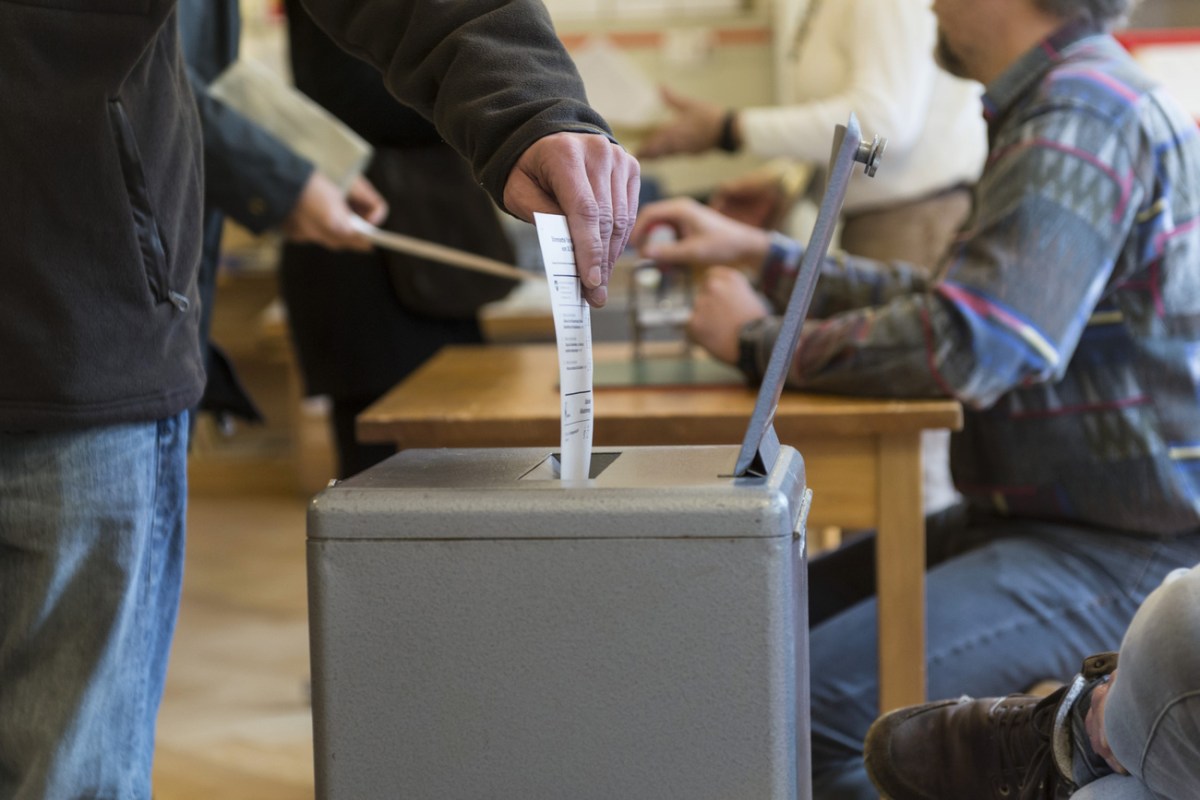
Michael Hermann, managing director of the research institute Sotomo, believes Switzerland’s direct democracy system creates both vulnerabilities and strengths when facing disinformation threats.
“Direct democracy is particularly vulnerable because people rely on accurate information to decide on substantive issues,” Hermann explained. However, he also sees this system as providing natural protection: “Direct democracy is also an opportunity to counter disinformation because people are discussing the same topic simultaneously. If someone claims something false, the other side can correct it.”
Hermann contrasts this with representative democracies, noting that “in democracies where the population can only vote, falsehoods can much more easily creep in, become believed by a segment of the population, and never be corrected.”
Regulatory Approaches Differ
The European Union has taken aggressive steps to combat disinformation through the Digital Services Act, which places requirements on technology platforms to address false information. By contrast, Switzerland has adopted a more restrained regulatory approach.
For example, Switzerland’s proposed social media law does not require digital platforms to cooperate with law enforcement or combat disinformation, highlighting the country’s traditionally light-touch approach to regulation.
Switzerland’s Developing Response
The debate about how Switzerland should respond to disinformation threats is still in its early stages. This includes fundamental questions about what constitutes disinformation and whether Swiss democracy requires stronger protections.
This cautious approach partly reflects that Switzerland has been less affected by disinformation campaigns than other countries. However, with increasing geopolitical tensions and the growing sophistication of influence operations, Swiss authorities are closely monitoring developments.
The Swiss government currently prioritizes media literacy, public awareness, and the strength of its democratic institutions as primary defenses against disinformation, rather than heavy-handed regulation. This approach reflects Switzerland’s traditional emphasis on individual responsibility and its trust in the public’s ability to evaluate information critically during democratic processes.
As disinformation techniques evolve, Switzerland’s response will likely continue to develop, balancing its commitment to free expression with the need to protect its democratic processes from malign foreign influence.
Fact Checker
Verify the accuracy of this article using The Disinformation Commission analysis and real-time sources.

7 Comments
As a major global financial and economic hub, Switzerland is an attractive target for foreign influence operations. Protecting the country’s economic and political stability should be a top priority. I hope Swiss authorities can stay one step ahead of these disinformation campaigns.
That’s a good point. Switzerland’s prominence in global finance and commodities markets makes it a strategic target. Robust cybersecurity and public awareness campaigns will be essential to safeguarding the country’s democratic institutions and economic strength.
Disinformation campaigns can have real-world consequences, as seen in the case of Romania’s presidential election. Switzerland must remain vigilant and continue strengthening its defenses against these insidious threats to its democratic process.
This is concerning news about foreign disinformation campaigns targeting Switzerland. Maintaining the integrity of democratic institutions and public discourse is critical, especially in countries with strong direct democracy like Switzerland. Vigilance and fact-checking are key to counter these threats.
This is a complex challenge, as direct democracy gives citizens more power but also creates vulnerabilities. I’m curious to learn more about the specific tactics and narratives being used in these foreign disinformation campaigns targeting Switzerland.
I’m glad Swiss authorities are taking this threat seriously and remaining vigilant. Polarization and undermining public trust in institutions and media can have devastating consequences for any democracy. Fact-based reporting and open dialogue are essential to combat foreign disinformation efforts.
Agreed. Switzerland’s tradition of direct democracy makes it particularly vulnerable, but also gives citizens more power to push back against disinformation. Transparency and civic engagement will be crucial to maintaining a healthy democratic discourse.