


Listen to the article
Russian disinformation narratives on Ukraine are finding new avenues of distribution across the Western Balkans, with acclaimed filmmaker Emir Kusturica now actively promoting a documentary that experts say channels Kremlin propaganda.
The film, which targets audiences in the Western Balkans, presents Russian narratives about the Ukraine conflict without critical examination, effectively serving as a conduit for disinformation that aligns with Moscow’s official positions on the war.
Kusturica, an internationally recognized director whose works have won awards at prestigious film festivals including Cannes, has increasingly aligned himself with pro-Kremlin positions in recent years. His involvement with the documentary represents a significant amplification of Russian messaging through cultural channels, leveraging his regional and international reputation.
Media analysts who have reviewed the documentary point to numerous instances where it repeats debunked claims about Ukraine that originated from Russian state media. These include narratives about Ukrainian “Nazis,” allegations of Western orchestration of the 2014 Maidan protests, and distorted accounts of the conflict in Donbas that preceded the full-scale invasion.
“This is a concerning example of how influential cultural figures can be utilized to legitimize disinformation,” said one regional media expert who requested anonymity. “When someone of Kusturica’s stature promotes such content, it significantly increases its perceived credibility among audiences who might otherwise be skeptical.”
The documentary also features strong religious overtones, incorporating messaging that aligns with Russian Orthodox Church narratives about the conflict. This religious framing appears designed to resonate particularly with Serbian Orthodox audiences in the Balkans, where religious and cultural ties to Russia remain strong in certain communities.
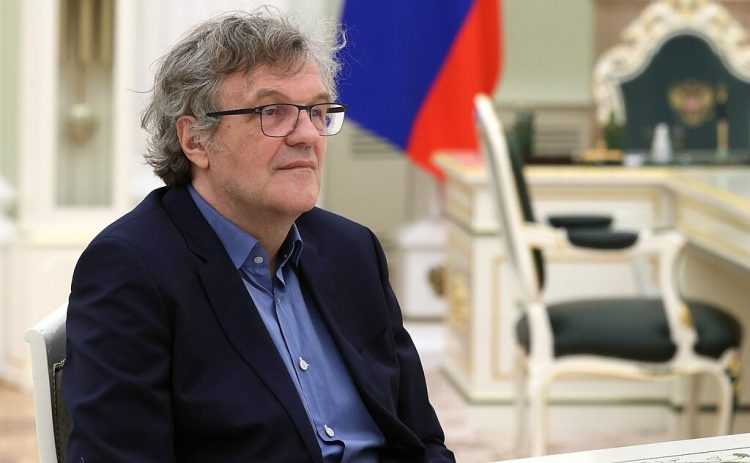
Kusturica’s involvement with the film follows his increasingly public alignment with Moscow. In recent years, he has made several high-profile visits to Russia and has been photographed meeting with officials at the Kremlin. These connections have raised questions about the filmmaker’s role in Russian soft power strategies targeted at the Balkans.
The region has been identified by security experts as particularly vulnerable to Russian influence operations. Countries like Serbia, Bosnia and Herzegovina, and Montenegro have complex historical, cultural, and religious ties to Russia that can be leveraged for information warfare purposes.
“The Western Balkans represents a strategic communication battleground,” explained Dr. Milena Petrović, a regional security analyst. “Russia has invested significantly in media outlets, cultural initiatives, and relationship cultivation with influential figures who can help disseminate narratives favorable to Moscow’s interests.”
Digital rights organizations monitoring the film’s distribution have noted coordinated social media campaigns promoting clips and excerpts across platforms popular in the region. These campaigns appear designed to maximize viewership among younger audiences who might not consume traditional pro-Russian media outlets.
The documentary emerges as part of a broader pattern of Russian disinformation evolving to utilize cultural products and entertainment formats rather than relying solely on news media. This approach helps circumvent content moderation policies on major platforms that might otherwise flag or restrict overtly political propaganda.
Western diplomatic sources have expressed concern about the film’s potential impact on regional perceptions of the Ukraine conflict. The European Union has previously identified Russian disinformation as a significant challenge to its enlargement goals in the Western Balkans.
Media literacy advocates are calling for greater awareness of how cultural products can be weaponized for propaganda purposes. They emphasize that critical viewing skills are essential when consuming content about geopolitical conflicts, regardless of the creator’s artistic credentials or reputation.
As the documentary continues to circulate, questions remain about its funding sources and the network behind its production and distribution – information that remains conspicuously absent from the film’s credits and promotional materials.
Fact Checker
Verify the accuracy of this article using The Disinformation Commission analysis and real-time sources.
