


Listen to the article
Filipinos are falling victim to widespread disinformation campaigns rather than simply being gullible consumers of fake news, according to a leading academic expert studying the phenomenon.
Dr. Maria Diosa Labiste, a professor at the University of the Philippines College of Mass Communication, emphasized this distinction during a recent media forum focused on the growing problem of disinformation in the Philippines.
“I don’t think Filipinos are gullible. I think they are just victimized by systematic and sophisticated disinformation campaigns,” Labiste said. She explained that these operations utilize various platforms and employ tactics specifically designed to manipulate public opinion.
The professor’s remarks come amid mounting concern over the proliferation of false information across Philippine social media platforms, particularly during election periods. Her research indicates that disinformation campaigns in the country have become increasingly sophisticated, utilizing coordinated networks across multiple platforms to spread misleading narratives.
According to data from the Digital News Report 2023, approximately 68 percent of Filipinos express concern about distinguishing real information from false content online. This represents one of the highest rates of concern in Southeast Asia, reflecting the scale of the problem facing the nation’s information ecosystem.
Labiste pointed out that disinformation operations often exploit existing social divisions and emotional triggers to achieve maximum impact. “These campaigns are designed to appeal to people’s biases and emotions. They’re crafted to look legitimate and often mix facts with falsehoods, making them difficult to identify as misleading,” she explained.
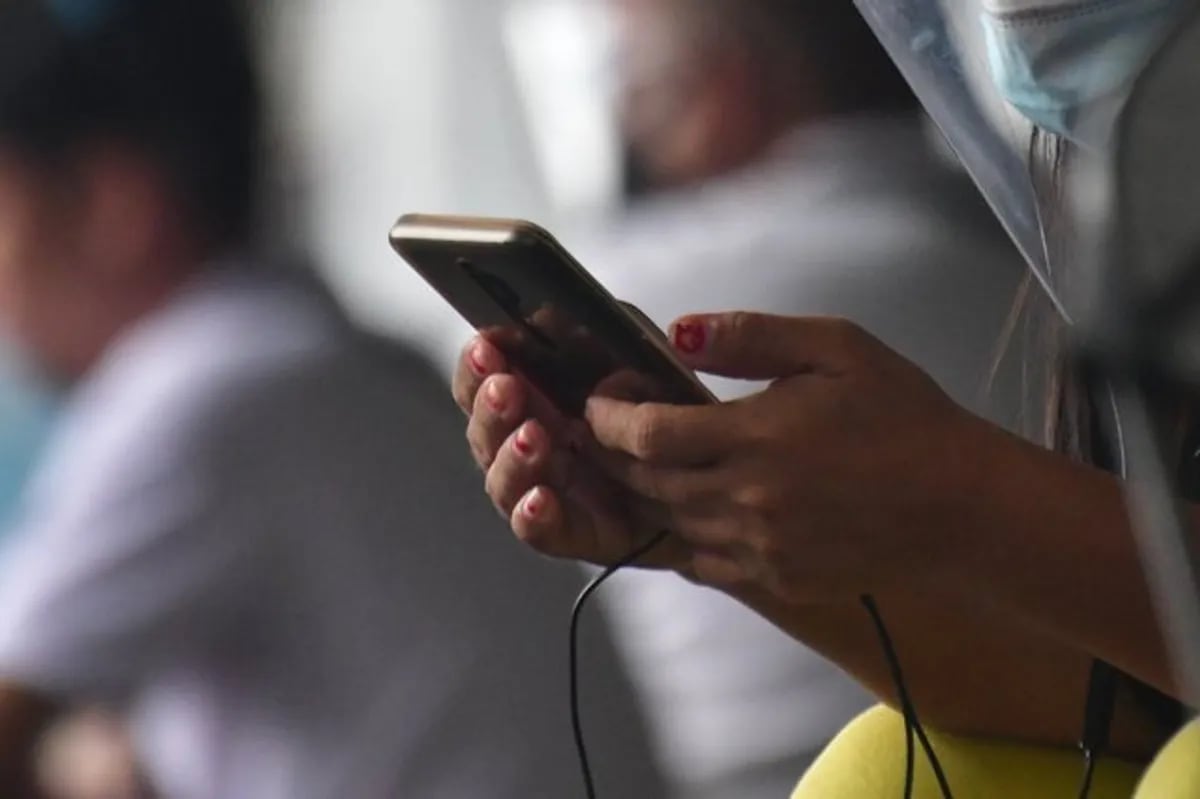
The Philippines has become particularly vulnerable to such campaigns due to several factors. With over 76 million social media users spending an average of four hours daily on these platforms, the country has been dubbed the “social media capital of the world.” This high level of engagement creates fertile ground for misinformation to spread rapidly.
Political polarization has further exacerbated the problem. Jonathan Corpus Ong, a disinformation researcher at the University of Massachusetts Amherst, who has collaborated with Labiste on several studies, noted that “political actors have weaponized social media to attack opponents and control narratives, creating partisan echo chambers where facts become secondary to tribal loyalty.”
The economic model of social media platforms also contributes significantly to the problem. Algorithms designed to maximize engagement often promote controversial or emotionally charged content, regardless of its accuracy. “The platforms’ business models incentivize viral content, not truthful content,” Labiste observed.
Media literacy initiatives have struggled to keep pace with evolving disinformation tactics. Traditional approaches focusing solely on fact-checking have proven insufficient against narratives that appeal to deeply held beliefs or emotional responses.
The impact extends beyond politics into public health and social cohesion. During the COVID-19 pandemic, vaccine hesitancy in parts of the Philippines was fueled by coordinated misinformation campaigns, demonstrating how digital falsehoods can translate into real-world harm.
Various sectors are now working to address the challenge. Media organizations like ABS-CBN, GMA, and Rappler have expanded fact-checking operations, while civil society groups are developing more sophisticated media literacy programs tailored to different demographic segments.
Regulatory approaches remain controversial, with concerns about potential infringement on free speech rights. The Philippines’ Department of Information and Communications Technology has proposed measures to combat fake news, but critics worry about government overreach.
Labiste emphasized that effective solutions must be multifaceted, involving platform regulation, improved media literacy, and greater accountability for those who deliberately spread falsehoods. “This is not just about teaching people to spot fake news. It’s about addressing the systems and incentives that allow disinformation to flourish,” she said.
As the Philippines approaches another election cycle, the stakes of addressing disinformation grow higher. Experts warn that without significant intervention, the integrity of democratic processes remains at risk from increasingly sophisticated manipulation campaigns.
“Filipinos aren’t lacking critical thinking skills,” Labiste concluded. “They’re facing a tsunami of manipulated information designed specifically to overwhelm those skills.”
Fact Checker
Verify the accuracy of this article using The Disinformation Commission analysis and real-time sources.

18 Comments
Viewing Filipinos as victims rather than just gullible is an important distinction. The systematic nature of these disinformation campaigns needs to be better understood and countered.
Agreed. Simply blaming the public for being misinformed oversimplifies a complex problem that requires a more comprehensive response.
The data on Filipinos’ concerns about fake news is alarming. Developing robust fact-checking mechanisms and promoting digital literacy seem essential to tackle this issue.
Victimized by disinformation rather than being gullible – that’s an important distinction. The methods used by these campaigns need to be better understood and countered.
Yes, the sophisticated tactics employed make it harder for the public to identify and resist disinformation. Ongoing research and public education will be key.
The professor’s comments highlight the need for a nuanced understanding of disinformation. Treating Filipinos as victims rather than simply gullible is an insightful framing of the issue.
Agreed. The systematic nature of these campaigns requires a more comprehensive response than just blaming the public for being misinformed.
Interesting perspective from the professor. It’s concerning to hear that disinformation campaigns are becoming more sophisticated in the Philippines. Raising awareness and media literacy seem crucial to combat this issue.
I agree, the systematic nature of these campaigns is worrying. Better education on spotting misinformation is definitely needed.
Concerning to hear about the growing sophistication of disinformation tactics in the Philippines. Strengthening media literacy and critical thinking skills will be vital to combat this challenge.
The professor’s insights highlight the need for a nuanced approach to tackling disinformation. Viewing Filipinos as victims rather than gullible is an important distinction.
Absolutely. Addressing this challenge requires understanding the sophisticated tactics used by disinformation campaigns, not just blaming the public.
Disinformation can have far-reaching consequences, so it’s good to see academics studying this issue in the Philippines. Raising awareness and promoting critical thinking skills will be crucial.
It’s disheartening to hear about the proliferation of false information in the Philippines, especially during elections. Fact-based journalism and digital literacy initiatives seem crucial to address this problem.
The data on Filipinos’ concerns about distinguishing real from fake news is alarming. Disinformation can have serious consequences, so it’s good to see academics studying this problem closely.
Absolutely, this is a complex and challenging issue. Fact-checking and critical thinking skills will be vital for the public to navigate the information landscape safely.
It’s a complex problem when disinformation campaigns specifically target and manipulate public opinion. The professor’s research provides valuable insights into this worrying trend.
Absolutely. Addressing disinformation requires a multifaceted approach focused on education, fact-checking, and calling out the tactics used by these campaigns.